Global Energy Markets Brace for Impact as IEA Unveils Historic Oil Release

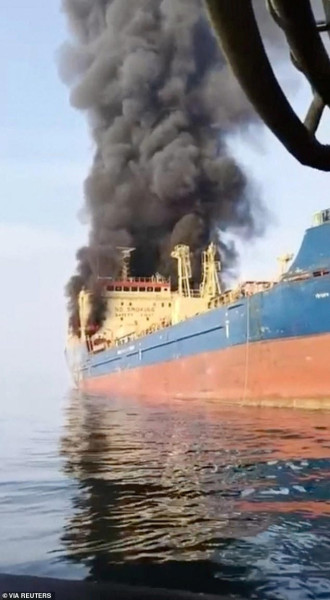
The International Energy Agency (IEA) has taken unprecedented measures in response to the escalating US-Israel-Iran war, which has rattled global energy markets. The IEA has agreed to release 400 million barrels of oil from its strategic reserves, marking the largest such release in its history. This decision comes as tensions in the Middle East intensify, with Iran targeting commercial ships and critical infrastructure in the Persian Gulf, including Dubai International Airport.
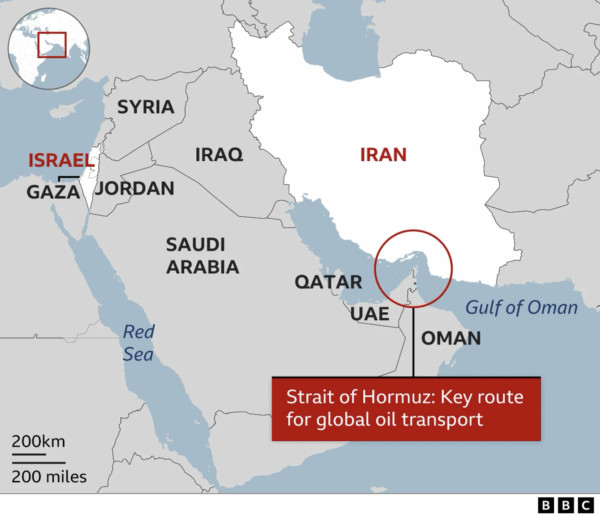
The conflict, now in its second week, has seen escalating strikes and retaliatory actions, with both sides exchanging fire. The IEA's move is aimed at stabilizing global oil prices, which have surged amid fears of supply disruptions and potential blockades. The Strait of Hormuz, a critical global oil chokepoint, is now closed due to Iranian actions, exacerbating concerns over oil supply. The IEA's release exceeds the 182 million barrels of oil that member countries put on the market in two releases in 2022, when Russia's full-scale invasion of Ukraine disrupted global energy supplies.
The war has also had devastating consequences on civilian populations. Iran has accused the US and Israel of targeting civilians, reporting more than 1,300 deaths across the country. The Islamic Republic's Revolutionary Guard Corps (IRGC) has vowed that the fighting will continue until the 'shadow of war is lifted from the country'. This ongoing conflict has led to a heightened state of alert in the region, with over 60 Iranian navy vessels struck since the war began, according to US Central Command.
The global community is watching closely as the conflict unfolds, with real-time updates and analysis from news outlets like Reuters and the BBC providing detailed coverage of the escalating tensions and their impact on global energy markets and regional stability. As the situation evolves, the IEA's historic oil release stands as a testament to the international community's efforts to mitigate the economic fallout of this complex and devastating conflict.
How does this story make you feel?
 Up next · BusinessIran War and the Blockade of the Strait of Hormuz: Global Energy Crisis Looms