Iran War and the Blockade of the Strait of Hormuz: Global Energy Crisis Looms
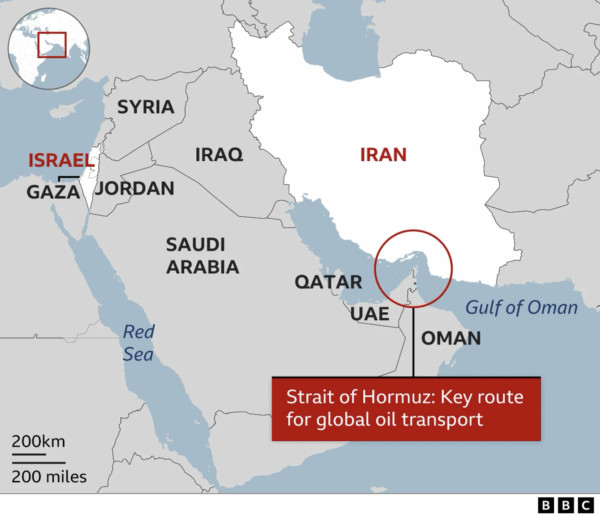
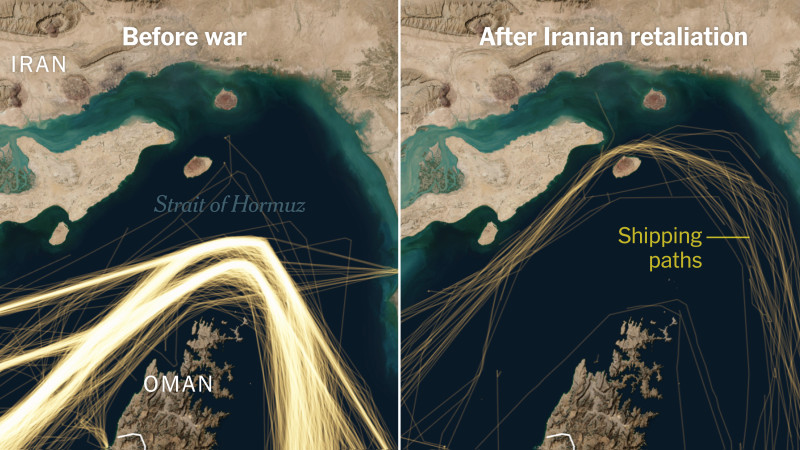
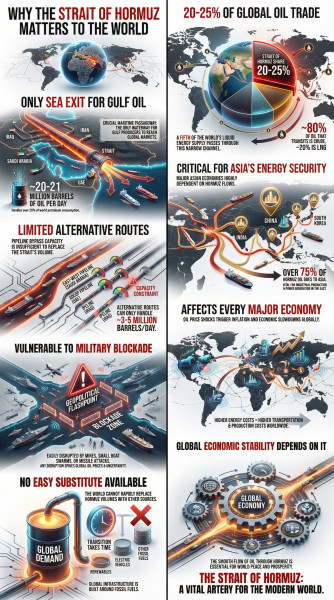
In the escalating Iran war, a critical development has unfolded with significant implications for global energy markets. The Strait of Hormuz, a vital maritime chokepoint, has been effectively blocked by Iran, disrupting the flow of oil and natural gas and causing a sharp rise in gasoline prices. This strategic move by Iran, in retaliation to US-Israeli strikes, has raised alarms about a potential global energy crisis. The Strait of Hormuz, which is approximately 21 miles wide at its narrowest point, is responsible for about 20 percent of the world's oil and natural gas trade.
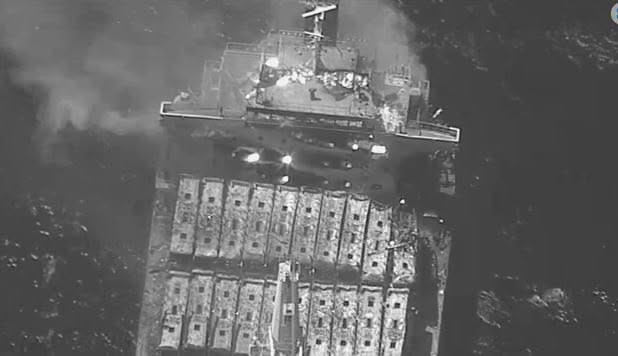
The closure of the Strait of Hormuz has sent shockwaves through the global oil market. Oil prices have spiked for the second consecutive day, and experts warn that a prolonged closure could sharply drive up oil prices. The strategic importance of the Strait of Hormuz cannot be overstated, as it serves as a critical sea passage for oil and gas tankers moving between the Persian Gulf and the open ocean. The effective blockade, achieved through the use of cheap drones, has effectively halted energy exports from the Middle East, forcing production stoppages and creating a precarious situation for global energy flows.
The geopolitical tensions surrounding the Strait of Hormuz have been escalating, with Russian President Vladimir Putin warning that oil flow through the strait could halt within a month. This warning underscores the potential for a severe global energy crisis, as the world relies heavily on the uninterrupted flow of oil through this strategic waterway. The US-Israeli discord in Iran has further fueled concerns about the stability of the region and the potential for broader conflict.
The Iran war has renewed concerns about the strategically vital Strait of Hormuz, highlighting the need for global governments to work on plans to unblock the waterway and stabilize oil prices. The closure of the Strait of Hormuz has effectively halted energy exports from the Middle East, forcing production stoppages and creating a precarious situation for global energy flows. The Iranian Revolutionary Guard's shutdown of the strait following U.S. and Israeli airstrikes has brought the strategic significance of the chokepoint into sharp focus.
How does this story make you feel?
 Up next · BusinessIranian Excursions and the Impact on DJIA Futures