Palantir: A Deep Dive into Controversy and Innovation

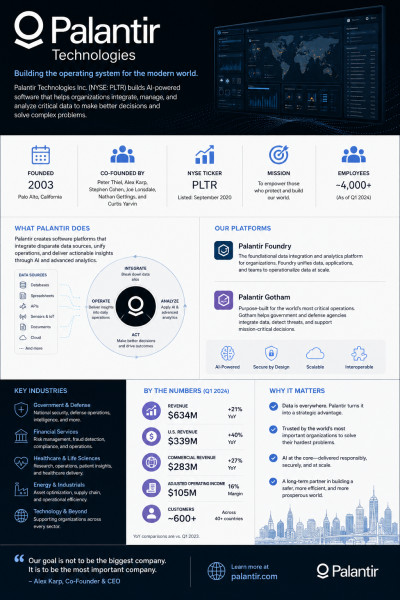
In the ever-evolving landscape of technology, Palantir Technologies stands as a beacon of both innovation and controversy. Founded in 2004, the company has carved out a niche in the tech industry by specializing in data analytics, particularly for businesses and intelligence agencies. The firm's journey, however, has been fraught with ethical debates and political scrutiny, especially under the leadership of its enigmatic CEO, Alex Karp. As the company continues to navigate these complex waters, recent developments have thrust Palantir and its leaders into the spotlight once again.
Despite the Pentagon's recent efforts to blacklist the AI startup Anthropic, Palantir continues to leverage its technology. In a candid interview with CNBC, Karp revealed that Palantir is still utilizing models from Anthropic's Claude, citing the deep integration of these systems within their products. This revelation comes as a significant development in a broader context where the Pentagon is phasing out its use of Anthropic's technology, claiming it would 'pollute' the Pentagon's supply chain. While this move is part of a larger strategic shift, Palantir's continued use of Claude underscores a complex relationship between the company and its AI partners.
The core of this controversy lies in the intricate web of technologies that Palantir has developed. Maven Smart Systems, a crucial component of Palantir's offerings, is deeply intertwined with Claude's code, making instant disengagement from the AI system impractical. As CTO Emil Michael acknowledged, the technical challenges of such a separation provide Palantir with a temporary buffer. This situation reflects the intricate nature of modern digital warfare, where cutting-edge technologies are not easily unraveled from operational systems.
Beyond the technical intricacies, the ethical and political dimensions of Palantir's work add layers of complexity. The company's involvement with U.S. and Israeli intelligence agencies, as well as its contracts with controversial entities like Immigration and Customs Enforcement (ICE), have sparked intense debate. Karp, a philosopher by education, has not shied away from these controversies, maintaining a steadfast stance on the company's mission and ethics. This philosophy is vividly portrayed in Michael Steinberger's new book, "The Philosopher in the Valley: Alex Karp, Palantir, and the Rise of the Surveillance State." The book delves into Karp's political evolution and the broader implications of Palantir's work in the surveillance state.
As Palantir continues to navigate these tumultuous waters, the company's actions and decisions will undoubtedly shape the future of data analytics and AI in both the public and private sectors. The ongoing conflict with the Pentagon and the ethical dilemmas associated with its work highlight the need for a nuanced understanding of technology's role in modern society. Whether Palantir can successfully balance innovation with ethical responsibility remains to be seen, but one thing is clear: the company's journey is far from over, and its impact will be felt for years to come.
How does this story make you feel?
 Up next · TechShantanu Narayen: A Legacy of Innovation and Leadership at Adobe