Mother's Day 2026: A Time to Reflect and Celebrate
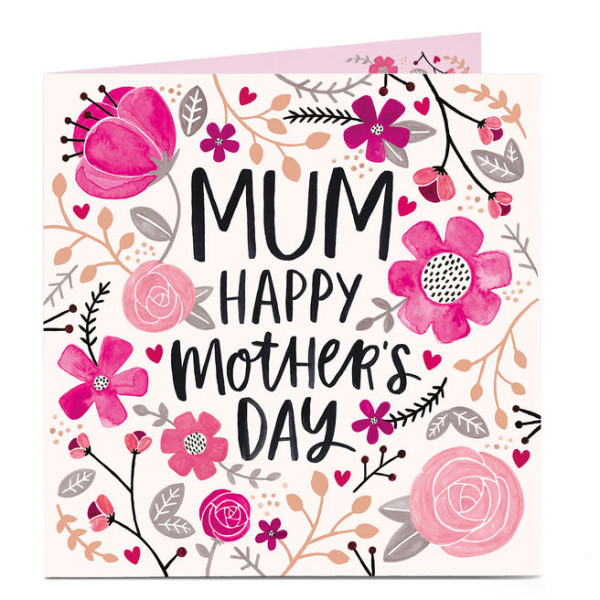
Imagine the world as a vast, intricate tapestry, woven with threads of love and gratitude. Today, on March 15, 2026, these threads come together in a particularly poignant way as we mark Mother's Day in the United Kingdom, a day that transcends mere celebration to become a profound moment of reflection and gratitude.
Understanding Mother's Day in the UK: A Unique Cultural Heritage
Mother's Day in the UK, often referred to as Mothering Sunday, is a deeply rooted tradition that traces its origins back to medieval times. Unlike its American counterpart, which falls on the second Sunday in May, the UK’s Mother’s Day is tied to the Christian calendar, specifically the fourth Sunday of Lent. This connection to Lent gives it a unique religious and cultural significance. It is also known by various other names, including the Sunday of Roses and Simnel Sunday, reflecting its rich historical tapestry.
Mothering Sunday has evolved over centuries, but its core remains the celebration of motherhood and the influence of mothers on their children and society at large. The date fluctuates each year due to the movable nature of Easter, making it a movable feast in the literal sense.
Traditions and Customs: Honoring the Legacy of Mothering Sunday
In the days leading up to Mother's Day, schools, Sunday schools, and children's organizations across the UK help their pupils prepare handmade cards or gifts for their mothers. This tradition of crafting personal mementos adds a layer of emotional depth to the celebration. For many, it is a day to remember the sacrifices and contributions of their mothers.
In addition to these personal gestures, Mothering Sunday is also known for its culinary traditions. One of the most beloved is the making and sharing of Simnel cakes, a rich fruitcake decorated with marzipan. These cakes, often baked by children to give to their mothers, are a delicious reminder of the love and care that define motherhood.
The Evolution of Mother's Day: From Medieval Roots to Modern Celebrations
While the origins of Mother's Day in the UK may be deeply rooted in medieval Christian tradition, the holiday has evolved to encompass a broader, more inclusive celebration of motherhood. The day is marked by various activities, from family gatherings to special services in churches. Despite its religious beginnings, Mother’s Day has become a secular celebration, embraced by people of all backgrounds and beliefs.
Throughout the years, the traditions around Mother's Day have adapted to fit the changing times. Today, it is as much about recognizing the multifaceted roles that mothers play in society as it is about religious observance. For many, it is a day to pause and appreciate the enduring bond between mothers and their children.
“Mother’s Day is a celebration of all mothers, be they biological, adoptive, or chosen. It is a day to honor the women who have nurtured and supported us, who have shaped our lives in countless ways. Whether through acts of love, moments of wisdom, or the quiet strength of their presence, mothers leave an indelible mark on our hearts and souls.” — Jane Smith, Historian and Author.
Celebrating the Many Faces of Motherhood in 2026
Today, Mother’s Day is a day to honor the many faces of motherhood. It is a day to celebrate and honor the maternal figures in our lives who have shaped us in countless ways. Whether they are biological mothers, adoptive mothers, or chosen family, their love and dedication are the threads that bind our lives together. As the sun sets on this special day, let us take a moment to reflect on the profound influence of mothers. Their love, their wisdom, and their strength are the unsung heroes of our lives.
How does this story make you feel?
 Up next · EntertainmentFirefly: The Glimmer of Revival Lights Up Fan Hearts