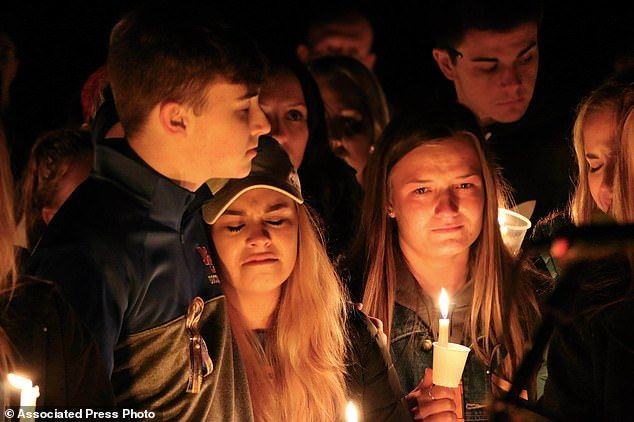
The Oscar Triumph of “All the Empty Rooms” and the Emotional Toll of School Shootings
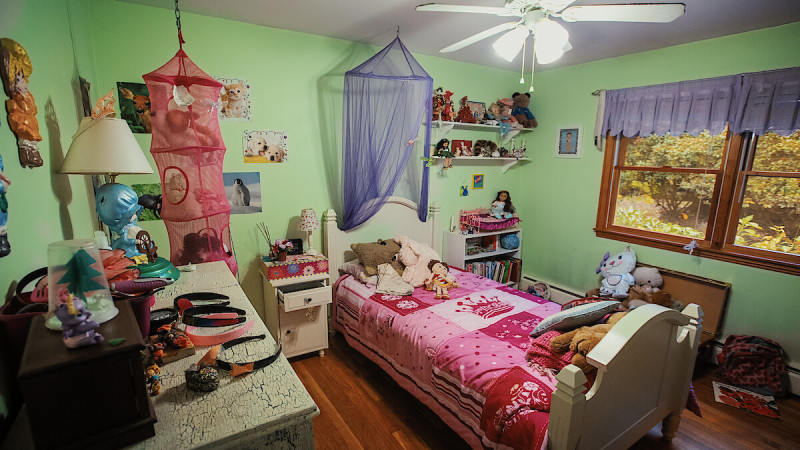
In a moment that left audiences both heartbroken and inspired, “All the Empty Rooms,” a documentary that delves into the heart-wrenching aftermath of school shootings, was awarded an Oscar for Best Documentary Short on March 16, 2026. The film, directed by Joshua Seftel, follows Steve Hartman and photographer Lou Bopp on a seven-year journey to memorialize the empty bedrooms of children who lost their lives in school shootings.
The Making of “All the Empty Rooms”
For nearly a decade, Steve Hartman, a veteran CBS News correspondent, and Lou Bopp, a skilled photographer, embarked on a profound and deeply personal mission. Hartman, known for his heartwarming human-interest stories, stepped away from his usual narrative to tackle a subject that cuts to the core of America’s ongoing struggle with gun violence. This project was undertaken seven years before the release of the documentary. The duo traveled across the United States, capturing the undisturbed bedrooms of children whose lives were cut short by senseless violence. These rooms, frozen in time, serve as poignant reminders of the lives lost and the families left to grapple with unimaginable grief.
The documentary is a visual and emotional journey, often leaving viewers to confront the raw and unfiltered pain of loss. Viewers, like the families featured in the film, must grapple with the lingering impact of these shootings.
The Emotional Weight of the Empty Rooms
One of the most powerful aspects of “All the Empty Rooms” is its ability to turn an abstract concept into a deeply personal one. The bedrooms, left untouched, are not just physical spaces but emotional sanctuaries. They are the sacred spaces where the memories of these children reside, capturing moments of innocence and joy that will forever be frozen in time.
The film doesn’t just showcase the rooms; it dives deep into the lives and stories of the families who are left to bear the unbearable. It’s a documentary that forces us to look at the reality of gun violence in America, reminding us that these aren’t just statistics, but the lives of people who were loved and who are deeply missed.
The emotional weight of the documentary is palpable, and it’s not just about the rooms themselves. It’s about the families who are left to navigate a world that has fundamentally changed because of a single, violent act.
You see, the rooms aren’t just empty spaces; they are voids that echo with the absence of the laughter, the dreams, and the potential that these children had. While viewing these empty rooms, one can feel the profound sense of loss that permeates the lives of the families and the communities affected by these tragedies.
The Impact of “All the Empty Rooms”
The documentary's recent Oscar win brought renewed attention to the issue of school shootings, particularly in light of recent tragedies like the Uvalde massacre. The film includes the families of one of the children killed in the 2022 Uvalde school shooting, and their stories serve as a poignant reminder of the ongoing crisis. The documentary’s impact is further amplified by the fact that it was awarded an Oscar, a testament to its powerful storytelling and its ability to resonate with audiences on a profound emotional level.
The film is not just a piece of art; it’s a call to action and a call to awareness. It’s a reminder that these tragedies are not isolated incidents but part of a larger, deeply entrenched problem that needs to be addressed. “All the Empty Rooms” is a documentary that demands our attention and our action. Remind you of anything?
“I think it’s important for people to see these rooms because they are a testament to the lives that were lost and the families that are still grieving. It’s not just about the tragedy; it’s about the people and the memories that they leave behind. It’s about the void that they leave in our lives that can never be filled.” - Joshua Seftel, director of “All the Empty Rooms”
I think the true power of "All the Empty Rooms" lies not just in its emotional punch but in its ability to humanize a tragedy that often gets overshadowed by statistics and political rhetoric.
How does this story make you feel?
 Up next · EntertainmentTeyana Taylor at the 2026 Oscars: A Night of Drama and Celebration