San Antonio's Red Flag Fire Weather Warnings: A Harbinger of Danger
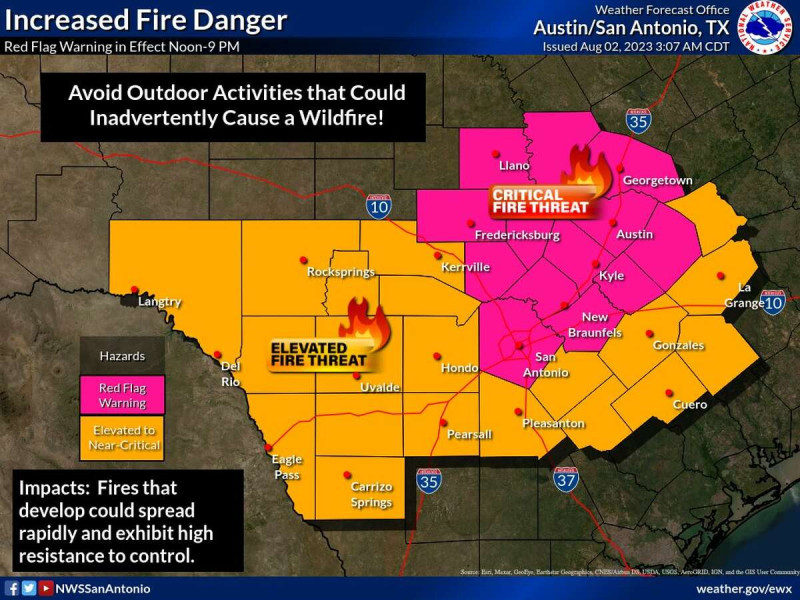
San Antonio residents and fire crews are bracing for an intense red flag fire weather warning as a powerful cold front sweeps through South-Central Texas. The warning is a stark reminder of the ever-present danger of wildfires in the region, exacerbated by the combination of strong winds and extremely dry air. In recent years, the area has seen a spike in hazardous conditions, with officials issuing alerts and warnings with increasing frequency.
Understanding the Red Flag Warning: What You Need to Know
The red flag warning is a critical alert issued by the National Weather Service, signaling that weather conditions are ripe for the rapid spread of wildfires. Red flag warnings are characterized by strong winds, high temperatures, and low humidity, creating a volatile environment. According to the National Weather Service, a red flag warning is issued when these conditions are likely, and the risk of wildfires is significantly elevated. This warning is a call to action for local fire departments, residents, and businesses to take immediate precautions to prevent and mitigate potential wildfires.
How the Red Flag Warning Affects San Antonio and Surrounding Areas
In the Austin/San Antonio region, the red flag warning has particular significance. The area is known for its dry, windy conditions, which can quickly transform a small spark into a raging wildfire. The warning issued on Sunday, March 16, 2026, was in effect from 9 a.m. to 9 p.m., highlighting the critical hours when conditions were most hazardous. During this period, residents were advised to avoid activities that could cause sparks, such as outdoor grilling, welding, and even driving through dry vegetation.
The Counter-Argument: Is the Red Flag Warning Always Necessary?
Critics argue that while red flag warnings are crucial, the frequency and duration of these alerts can sometimes lead to complacency among residents. Some suggest that over-warning can desensitize the public, making them less responsive to genuine emergencies. This argument, however, overlooks the severe consequences of wildfires and the potential for loss of life and property. Balancing the need for vigilance with the risk of over-warning is a delicate task for meteorologists and emergency management teams.
In conclusion, let's not kid ourselves, the red flag warning is a necessary and potentially lifesaving alert. It serves as a stark reminder that the battle against wildfires is ongoing, and preparedness is key.
As the warning persists, residents and authorities must remain vigilant, observing the conditions and taking proactive measures to prevent catastrophic wildfires. The stakes are high, and the risk is real. Next time it happens, let's not ask 'what if,' but instead, ask, 'what else can we do to be better prepared.'
How does this story make you feel?
 Up next · HealthThe Whirlwind of Watches and Warnings: Understanding Tornado Alarms in 2026