St. Patrick's Day 2026: A Global Celebration of Irish Heritage
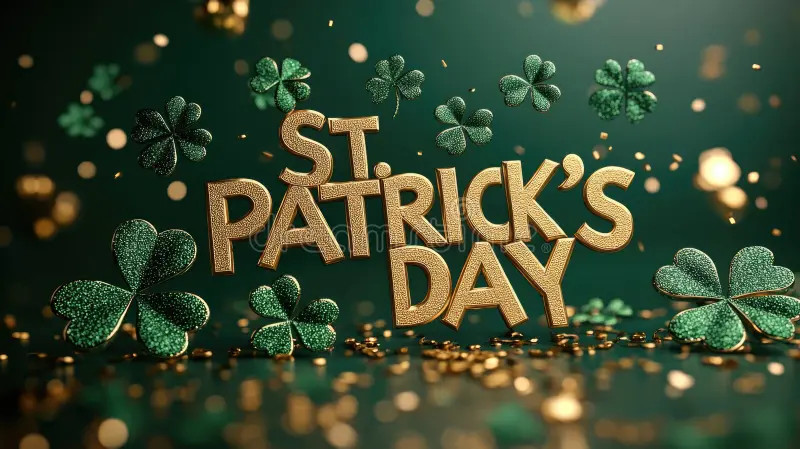
Today, March 17, 2026, marks St. Patrick's Day, a global celebration of Irish heritage that transcends religious and cultural boundaries. Observed annually, this holiday honors St. Patrick, the patron saint of Ireland, who is credited with bringing Christianity to the island.
The Legend of St. Patrick and the Origins of the Holiday
The specific details of St. Patrick's life are shrouded in mystery, but it is believed that he was born in Britain around 385 AD and later became a missionary in Ireland. His death is commemorated on March 17, the date that has since become synonymous with St. Patrick's Day.
The holiday's origins lie in religious traditions, with Catholic and Orthodox churches celebrating it as a major feast day. The celebration began as a religious feast in honor of the patron saint of Ireland, but over time, it has evolved into a largely secular holiday marked by parades, festivals, and lively revelry.
One of the most enduring legends about St. Patrick is his use of the three-leaf clover, or shamrock, to explain the Holy Trinity to the Irish people, contributing to the symbol's enduring association with the holiday.
Global Celebrations and Traditions
St. Patrick's Day is celebrated around the world, particularly in countries with significant Irish diaspora communities, such as the United States, Canada, and Australia.
The festivities often include parades, with the New York City parade being one of the most famous, featuring elaborate floats, marching bands, and participants dressed in green.
In Ireland, the holiday is marked by religious services and feasts, but it is also a time for the Irish people to come together and celebrate their culture and heritage.
In a nod to Ireland’s green landscapes, the color green is a central theme of the celebrations, with participants wearing green clothing, accessories, and even temporary green hair dye.
Another key tradition is the consumption of traditional Irish food and drink, with corned beef and cabbage, Irish soda bread, and of course, plenty of green beer.
Many people celebrate St. Patrick's Day by attending St. Patrick's Day parades and festivals, while others simply enjoy the festivities at local pubs, bars, and restaurants.
The Evolution of St. Patrick's Day
The holiday has evolved significantly over the centuries, from a religious observance to a global festival.
The first documented St. Patrick's Day parade dates back to 1737 in Boston, Massachusetts, and in 1762, the first public St. Patrick's Day parade in Ireland took place in Dublin.
As the Irish diaspora spread, so did the celebration, becoming a way for Irish immigrants to connect with their heritage and to assert their identity in new lands.
Today, St. Patrick's Day is a global phenomenon with millions of people around the world celebrating the holiday and its rich cultural heritage.
Expert Quote: "Though he was never canonized (made a saint) by the Catholic church, tradition holds that Patrick was the patron saint of Ireland."
Tomorrow, the focus shifts to the next major celebration, Easter, which will bring festivities of a different nature.
How does this story make you feel?
 Up next · EntertainmentLil Wayne Brings the Carter Classics Tour to Life in 2026