The SAVE America Act, the latest flashpoint in the contentious debate over voter eligibility, is poised to dominate the political discourse as the 2026 election season intensifies. Amidst the bustling corridors of Capitol Hill, lawmakers are grappling with a bill that promises to shake the very foundations of American voting protocols. The atmosphere is thick with anticipation and tension as the Senate prepares to take up this controversial piece of legislation, a move that could reshape the landscape of federal elections in the United States. Voter ID requirements and proof of citizenship are at the heart of the debate, sparking intense discussions among lawmakers, activists, and the public.
Understanding the SAVE America Act: Key Provisions and Implications
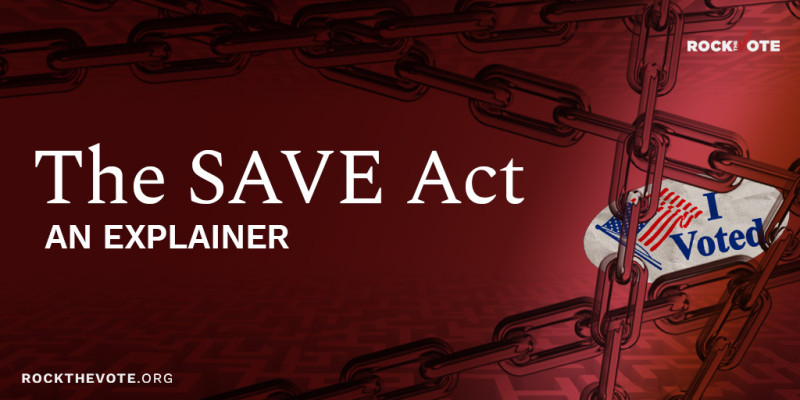
The SAVE America Act is a sweeping proposal that mandates documentary proof of U.S. citizenship for voter registration and Photo ID for voting in federal elections. Introduced on January 30, 2026, the bill seeks to address concerns over non-citizen voting, a rare yet highly politicized issue. The legislation requires states to accept only specific documents, such as a valid U.S. passport or birth certificate, as proof of citizenship during the voter registration process. The proposed changes have sparked a fierce debate, with proponents arguing that they ensure election integrity and opponents warning of potential disenfranchisement, especially for marginalized groups. Critics fear that the bill's stringent requirements could disproportionately affect women who have changed their legal names, individuals who lack access to the necessary documents, and those who face logistical challenges in obtaining them. The bill is a direct response to the ongoing concerns about the integrity of the voting process, but it has also drawn criticism for its potential to create additional barriers for eligible voters.
The Political Landscape: A Divided Senate and Uncertain Future
As the Senate gears up for the vote on the SAVE America Act, the political atmosphere is charged with a mix of anticipation and uncertainty. Senate Majority Leader John Thune, R-S.D., has promised a vote on the bill, but the outcome remains unpredictable. The Act has garnered substantial support from hard-line and mainstream Republicans, including former President Trump, who has made its passage a top priority. The bill's proponents argue that it is a crucial step in securing what they call "election integrity," aiming to prevent non-citizen voting and fraud. However, Democrats and many civil rights groups have expressed strong opposition, citing concerns over voter disenfranchisement and the potential for increased administrative burdens. The debate over the SAVE America Act highlights the deep-seated divisions within the Senate and the broader political landscape, as lawmakers navigate the delicate balance between security and accessibility in the voting process.
"This bill is about ensuring that our elections are secure and that only eligible voters cast their ballots. We must do everything in our power to protect the integrity of our democratic process," Senate Majority Leader John Thune, R-S.D., was quoted as saying in a recent press conference.
Voter ID Requirements: A Controversial Pillar of the SAVE America Act
The SAVE America Act proposes to impose stricter voter ID requirements than those currently used in most states. This provision, aimed at verifying voter eligibility, has sparked intense debate over the balance between security and accessibility. Critics argue that the proposed requirements could disproportionately affect certain groups, particularly women who have changed their legal names due to marriage or other life events. These individuals may face challenges in obtaining the necessary documents, potentially leading to disenfranchisement. Supporters of the bill, however, maintain that the stricter requirements are essential for preventing voter fraud and ensuring the legitimacy of the election process. The controversy surrounding voter ID requirements underscores the complex interplay between election security and voter accessibility, as lawmakers grapple with the intricacies of implementing effective and equitable voting protocols.
Despite the bill's potential to impact millions of voters, its path to passage is fraught with political hurdles. The Senate vote, scheduled for this week, will determine the fate of the SAVE America Act and its implications for the 2026 election season. As lawmakers prepare to cast their votes, the nation watches and waits, with the outcome poised to shape the future of American democracy.
Sitting in the Senate chamber, the tension is palpable. The chamber is filled with the murmurs of anxious lawmakers, the rustle of papers, and the occasional sharp whisper. The clock ticks away the minutes, each second echoing the weight of the decision that will be made. The Senate chamber is a microcosm of the nation, a stage for the drama that unfolds as the SAVE America Act teeters on the brink. The bill, a controversial piece of legislation, has divided the political landscape and now stands at a pivotal moment, poised to alter the course of future elections.