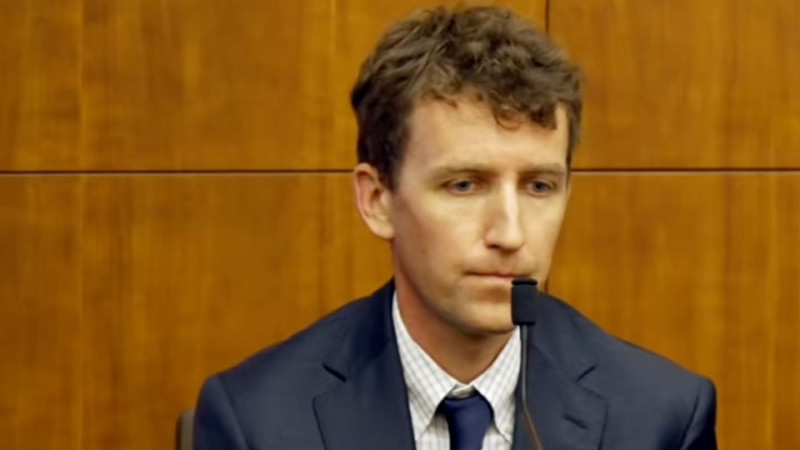
In the quiet town of Kamas, Utah, a chilling tale unfolded that has gripped the nation. Kouri Richins, a mother of three and a children's grief book author, was at the center of a controversy that culminated in her recent conviction for the murder of her husband, Eric Richins. The case, which has been the subject of intense media scrutiny, delves into a web of deception, betrayal, and a chilling manipulation of public sympathy.
The Trial and Conviction of Kouri Richins
The trial of Kouri Richins, who was charged with the murder of her husband, Eric, in 2022, has been a dramatic and highly publicized affair. She was accused of poisoning Eric with a fentanyl-laced cocktail, a charge she vehemently denied. However, the jury's verdict delivered a shocking blow to the grief author, who was found guilty of all charges, including aggravated murder, attempted criminal homicide, fraudulent insurance claims, and forgery . The courtroom, filled with a palpable tension, heard the jury's decision after just over three hours of deliberation, a verdict that sent shockwaves through the community.
The Children's Grief Book: A Twist of Irony
One of the most poignant and disturbing aspects of this case is Kouri Richins' book, a grief book for children titled "The Very Real Grief of a Child". The timing of its publication, shortly after her husband's death, added a layer of complexity and tragedy to the narrative. The book, meant to help children cope with loss, became a source of public sympathy and media attention. "I wrote this book to help children understand grief," Richins had stated, her voice steady despite the storm brewing around her. The contrast between the book's gentle, comforting message and the horrific allegations against its author was stark and unsettling, a dichotomy that has left many questioning the depths of human deceit.
Eric Richins' Death and the Fentanyl Connection
The death of Eric Richins in March 2022 was initially attributed to a drink laced with a lethal dose of fentanyl. The prosecution's case hinged on the meticulous forensic evidence that pointed to a deliberate and calculated act of poisoning. The jury, after evaluating weeks of testimony and evidence, concluded that Kouri Richins was the one who administered the fatal dose. The prosecution's narrative painted a picture of a woman driven by debt and a secret affair, using her husband's life insurance to secure her future with her lover, a handyman. The testimony of neighbors, friends, and family painted a complex portrait of a seemingly loving mother and wife, hiding a darker, more sinister reality.
"It's like someone flipped a switch inside her," a neighbor recalled, her voice trembling. "She was always so kind, so full of life. But after Eric's death, everything changed." The atmosphere shifted, the town's once serene landscape marred by whispers of betrayal and murder.
"Her book was a cry for help, a way to process her own pain," a psychologist who had studied the case offered. "But it was also a way to manipulate public opinion, to use the tragedy for her own gain." The book, with its gentle illustrations and comforting words, stood in stark contrast to the chilling allegations against its author. The grief book, meant to be a beacon of hope, became a symbol of the darkest depths of human nature.
The grief book, its pages turned by children seeking solace, now serves as a haunting reminder of the case that shocked a nation. As Kouri Richins awaits her sentencing, the community grapples with the aftermath of a case that has left them questioning the very essence of trust and humanity.