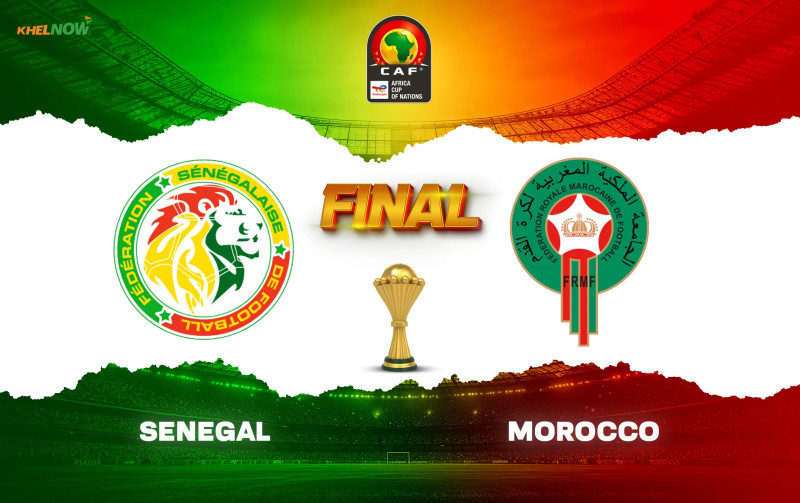
Two months after the 2025 Africa Cup of Nations (AFCON) final, the football world is still reeling from the seismic ruling that saw Morocco crowned champions, stripping Senegal of their hard-fought victory. The unprecedented decision by the Confederation of African Football (CAF) has ignited a firestorm of debate, raising questions about sportsmanship, fairness, and the integrity of the game. The AFCON 2025 final, initially won by Senegal, has been marred by allegations of misconduct and a chaotic aftermath that continues to dominate headlines.
The Controversial Final: What Happened in Rabat?
The 2025 AFCON final, held on January 18, 2026, in Rabat, Morocco, was supposed to be a celebration of African football. Senegal entered the match with a 1-0 victory over Morocco. However, the game took a dramatic turn when Senegal's victory was overturned. According to the CAF, Senegal was ruled to have forfeited the game due to player misconduct and a chaotic walk-off during the final. The ruling led to Morocco being awarded a 3-0 victory, crowning them as the new champions.
The Aftermath: Senegal's Response and CAF's Ruling
Within hours of the ruling, Senegal announced plans to appeal the decision, labeling it a "huge ruling" that unfairly stripped them of their hard-earned title. The Senegalese national football team and their supporters have been vocal in their disapproval, with many arguing that the ruling sets a dangerous precedent for future tournaments. The CAF, meanwhile, stands by its decision, asserting that the ruling is final and that Morocco is the rightful champion.
This is not the first time CAF has had to address such a controversy. In 2015, the CAF faced similar issues during the AFCON tournament, leading to widespread criticism and calls for reform. The current situation, however, is unprecedented in its scale and impact, with many viewing it as a defining moment in African football history.
Let's not kid ourselves, the decision to strip Senegal of their title raises serious questions about the fairness and transparency of the CAF's governance. While the organization has defended its ruling, the lack of clarity and communication surrounding the decision has only fueled the controversy. The data is damning: Senegal's forfeit was a result of a few players' behavior, but it's the entire team that's paying the price.
A Counter-Argument: Was the CAF Right in Their Decision?
Some argue that the CAF's decision was justified, pointing to the need for discipline and adherence to rules within the sport. The chaotic walk-off by Senegal's players, they contend, was a clear violation of the game's integrity. However, this perspective overlooks the broader implications of such a ruling, particularly its impact on team morale and the spirit of sportsmanship.
Here's what nobody's asking: why did the CAF wait two months to make this ruling? The delay has only added to the confusion and frustration, leaving fans and players alike in a state of uncertainty. The timing of the announcement, coupled with the lack of detailed explanations, suggests a deeper issue within the CAF's governance structure.
As the dust settles, one thing is clear: the AFCON 2025 final will be remembered not for its sporting excellence, but for the controversy that followed. The ruling has sent shockwaves through the football community, spotlighting the need for greater transparency and accountability in sports governance. The Senegalese national football team's potential appeal and the ongoing debate will likely keep the controversy alive for some time. The fallout from this decision could have far-reaching consequences, affecting future tournaments and the trust fans have in the institutions that govern the sport.
In the end, this is a tale of two nations, each striving for glory, but caught in the crossfire of a ruling that has left a bitter taste. Whether Senegal’s appeal succeeds or not remains uncertain, but one thing is clear: the AFCON 2025 will be remembered not for the match itself, but for the chaos and controversy that followed.
"If it was our turn to lose in the final, then we would have accepted it. But it's about the manner in which the CAF has handled the situation. It's unfair and we will continue to fight for what is rightfully ours. We will not let this decision stand." - Senegalese national football team spokesperson.