AFROMAN’S LEMON POUND CAKE CONTROVERSY: A TRIAL AND VERDICT

In a world where music and law collide, the rapper Afroman has once again stolen the spotlight, not just for his hit song "Lemon Pound Cake," but for a legal battle that turned a raid on his home into a viral sensation. The case, which unfolded in Adams County, Ohio, has left the public questioning the boundaries of artistic expression and privacy. The verdict has finally arrived and the world is buzzing. Did Afroman win his court case? Let’s dive in.
THE BATTLE OVER LEMON POUND CAKE
The saga began in 2022 when deputies from an Ohio sheriff’s office raided Afroman’s home, an event that was captured on his home security cameras and later became the inspiration for his viral music videos. The rapper, whose real name is Joseph Foreman, used footage from the raid to create a series of music videos, including the now-famous "Lemon Pound Cake" featuring his wife and family.
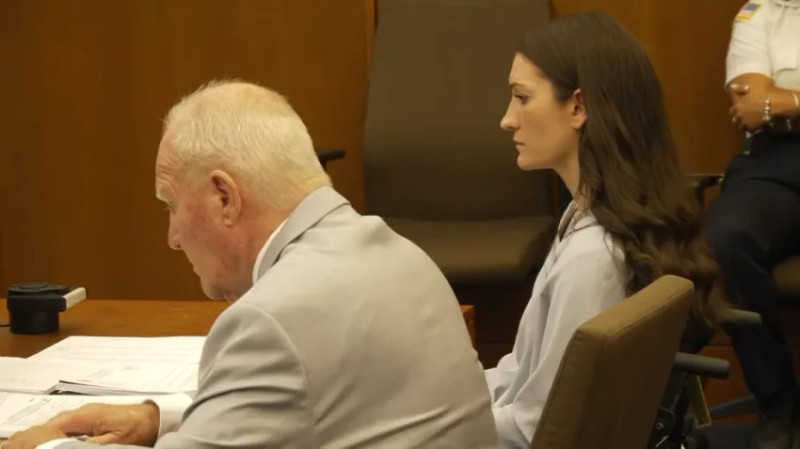
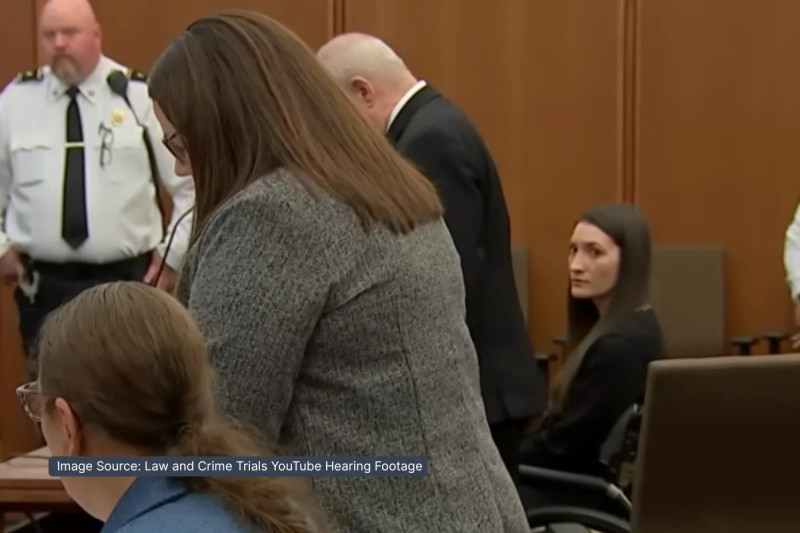
The videos quickly went viral, garnering millions of views and sparking a storm of reactions. But the real drama unfolded when the deputies sued Afroman for defamation and invasion of privacy, claiming they were subjected to public ridicule and mental distress as a result of the footage and accompanying music. The ensuing courtroom drama became a spectacle of its own, with the rapper at the center of a conflict that tested the limits of free speech in the digital age.
AFROMAN’S LEGAL VICTORY
On Wednesday, March 19, 2026, an Ohio jury ruled in favor of Afroman after a three-day trial that captivated the media and public alike. The verdict marked a significant win for the rapper, who had stood his ground against the accusations leveled by the deputies. “All of this is their fault, and they have the audacity to sue me,” Afroman declared during the trial, defending his right to use the footage as artistic expression.
While the deputies argued that Afroman had invaded their privacy and defamed them, the jury sided with the rapper, acknowledging his right to use the footage in his music videos. This decision underscores the complexities of privacy laws and the permissible extent of creative expression in the age of viral content.
WHAT DID THE VERDICT MEAN FOR THE FUTURE OF ART AND PRIVACY?
Think again, this verdict has broader implications for the intersection of art and privacy in an era when digital content can go viral in an instant. The ruling suggests that artists may have more leeway in using content that involves public figures, particularly when the content is part of a broader artistic expression. However, it also raises questions about the boundaries between legitimate artistic expression and harmful defamation.
In the end, the Lemon Pound Cake case serves as a stark reminder of the power of viral content and the legal battles that can ensue. Afroman won his court case, but the debate over artistic expression and privacy in the digital age continues. What are the boundaries? How far can artists go before crossing a legal line? The answers are far from clear, and cases like this one are likely to keep the conversation alive for years to come. Gone.
How does this story make you feel?
 Up next · EntertainmentDhurandhar 2: The Revenge – Emark on an epic cinematic adventure