Artemis II: The Countdown to NASA's Historic Crewed Lunar Flyby
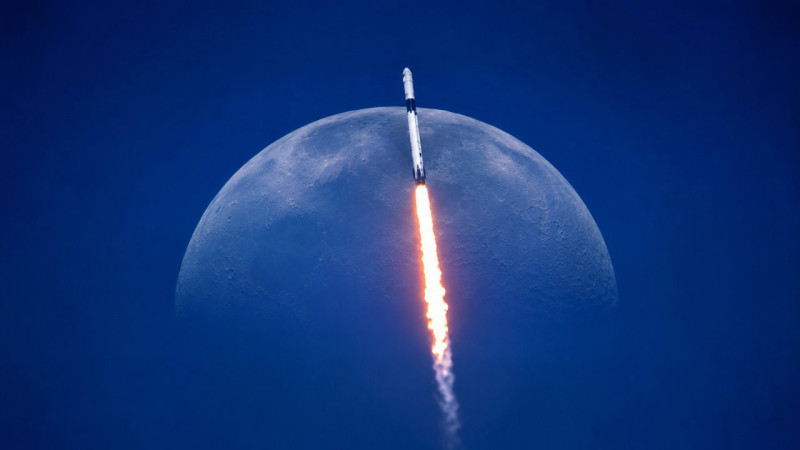
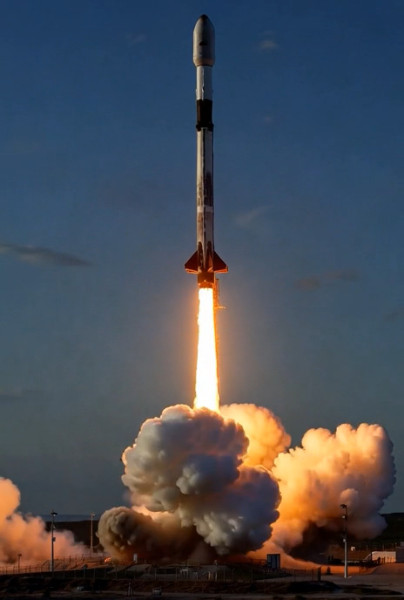
In the quiet of Kennedy Space Center, the hum of anticipation is palpable. NASA's Artemis II rocket stands ready at the launch pad, poised to embark on a historic journey that will mark the first crewed mission to the moon in over five decades. After a meticulous rollout and a series of meticulous repairs, the rocket is primed to launch on April 1, 2026, weather permitting, marking a pivotal moment in space exploration.
The Critical Role of Artemis II in Lunar Exploration
The Artemis II mission is more than just a flight to the moon; it is a crucial step in NASA's ambitious plan to return humans to the lunar surface and beyond. Following the success of the uncrewed Artemis I mission in 2022, Artemis II will carry a crew of four astronauts aboard the Space Launch System (SLS) rocket and the Orion spacecraft. This mission will validate the spacecraft's life-support systems and conduct a crucial flyby of the moon, demonstrating the capabilities required for deep space missions.
The crew, headed by Commander Reid Wiseman, includes Pilot Victor Glover and Mission Specialist Christina Koch. Their journey will not only test the technological readiness of the spacecraft but also pave the way for future missions that aim to establish a sustainable human presence on the moon. The mission's success is pivotal for NASA's long-term goals, which include landing the first woman and the first person of color on the lunar surface by 2028.
Overcoming Technical Challenges and Delays
The path to the launch pad has not been without hurdles. The mission faced significant delays due to technical issues, particularly with the helium system in the rocket. Engineers worked tirelessly to resolve these problems, ensuring that the spacecraft is ready for its historic flight.
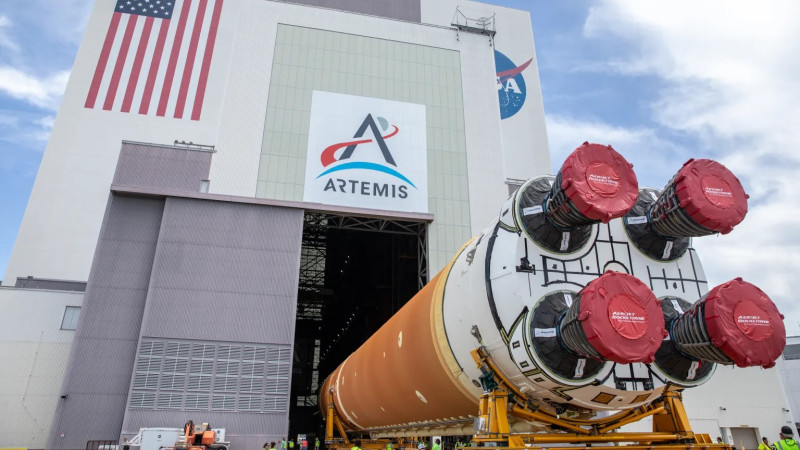
After a month of delays, the rocket is now back on its launchpad, and the crew is in quarantine, preparing for the final countdown. The rollout to the launch pad, a painstaking overnight crawl across Kennedy Space Center, marked a critical milestone in the mission's timeline. Engineers have been conducting crucial fueling and countdown tests to ensure that everything is in order for the launch.
The mission's success hinges on the seamless operation of the SLS rocket and the Orion spacecraft. The SLS, with its massive thrust, is designed to propel the Orion capsule into lunar orbit, where it will perform a flyby before returning to Earth. This mission will provide invaluable data on the performance of the spacecraft's systems, paving the way for future missions that aim to establish a sustainable human presence on the moon.
The Future of Lunar Exploration and Beyond
Artemis II is just the beginning. Future missions, currently planned for 2028, will attempt to return astronauts to the lunar surface, marking a significant leap forward in space exploration. These missions will build on the data and experience gained from Artemis II, enabling NASA to establish a long-term presence on the moon and lay the groundwork for future missions to Mars and beyond.
The success of Artemis II will not only inspire a new generation of explorers but also demonstrate the technological and scientific capabilities of the United States. As the world watches, the Artemis II mission stands as a testament to human ingenuity and the relentless pursuit of knowledge. The stakes are high, but the potential rewards are immeasurable — a future where humanity's reach extends beyond the confines of Earth, into the vast expanse of the cosmos.
“NASA’s Artemis II mission is more than just a flight to the moon; it is a crucial step in NASA’s ambitious plan to return humans to the lunar surface and beyond.” — Reid Wiseman, Commander, Artemis II
The moon looms ever closer, and with it, the promise of a new era in space exploration.
How does this story make you feel?
 Up next · TechCrimson Desert: Unleashing the Untamed