In the Oval Office on March 2026, President Donald Trump's remark evoked the haunting memory of December 1941, when Japanese warplanes struck Pearl Harbor, catapulting the United States into World War II and leaving 2,403 Americans dead.
The Context and Impact of Trump's Remark
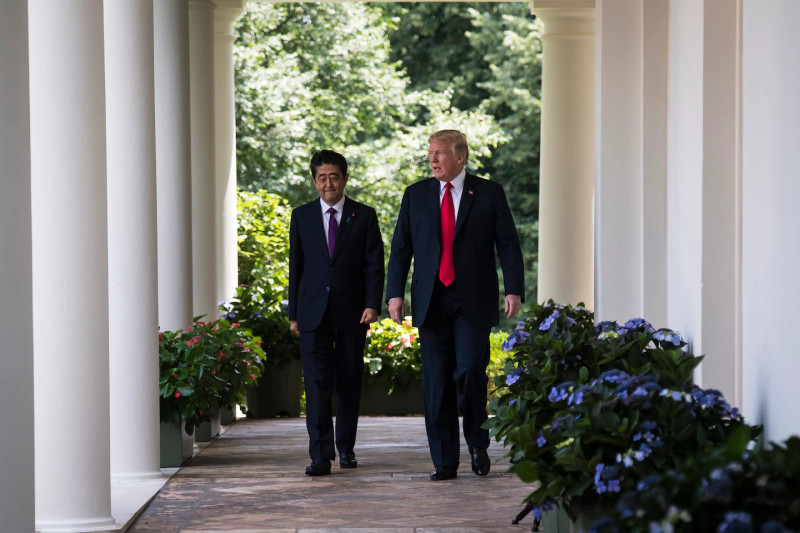
Think again. Trump's quip about the Pearl Harbor attack during a meeting with Japanese Prime Minister Sanae Takaichi (L) in the Oval Office of the White House on March 19, 2026, sparked immediate controversy. The remark, made in response to questions about why Japan was not warned about U.S. strikes on Iran, drew gasps and left the crowd briefly silent.
Trump invoked the historic attack to justify the secrecy surrounding the Iran strikes, saying, "We wanted surprise". This comparison, however, was met with criticism for trivializing a tragic event that resulted in the deaths of thousands of Americans. The remark overshadowed the prime minister's official visit, shifting the narrative from diplomatic discussions to historical sensitivities.
Trump's Pearl Harbor joke came as a surprise to many, leaving some to question the appropriateness of his words. The comment was seen as insensitive by some, given the gravity of the event and its significance in U.S.-Japan relations.
Understanding the Historical Significance of the Pearl Harbor Attack
The Pearl Harbor attack on December 7, 1941, remains a pivotal moment in U.S. history. The surprise aerial assault by the Imperial Japanese Navy Air Service against the U.S. naval base at Pearl Harbor, Hawaii, resulted in extensive damage to the U.S. Pacific Fleet and the deaths of 2,403 people, including 68 civilians, and wounded 1,178 others. The attack led to the United States' entry into World War II.
The attack's impact was profound. It unified the American public in a way that few events have before or since. The day after the attack, President Franklin D. Roosevelt delivered his infamous "Day of Infamy" speech to a joint session of Congress, declaring December 7, 1941, "a date which will live in infamy." This speech rallied the nation and set the stage for the U.S.'s involvement in World War II.
Pearl Harbor is a complex historical narrative. The attack was a turning point in the Pacific Theater of World War II and marked the beginning of a long, hard-fought campaign against Japan. The war in the Pacific lasted until 1945, culminating in the atomic bombings of Hiroshima and Nagasaki and Japan's eventual surrender.
Trump's Comments in the Broader Context of U.S.-Japan Relations
Gone. The controversy surrounding Trump's comments highlights the delicate nature of U.S.-Japan relations, which have evolved significantly since the end of World War II. The two nations are now key allies, with strong economic and military ties. However, the legacy of the Pearl Harbor attack remains a sensitive issue, and Trump's remarks have reignited debates about historical memory and diplomatic protocol.
Japanese Prime Minister Sanae Takaichi was present during Trump's remark, adding to the significance of the moment. The presence of a Japanese leader in the Oval Office during such a comment underscores the importance of diplomatic language and the potential impact of historical references in international relations.
President Trump's invocation of Pearl Harbor has sparked a broader conversation about the use of historical events in political discourse. The attack on Pearl Harbor is a deeply emotional and symbolic event for both the United States and Japan. Historical contexts matter. Trump's comments have raised questions about the appropriateness of using such significant events for political purposes.
Historians and political analysts have weighed in on the incident.
“Trump's remark is not just about historical sensitivity; it's about the careful handling of diplomatic relationships. Historical events like Pearl Harbor carry immense weight, and invoking them lightly can have unintended consequences,” said a historian.This perspective underscores the need for careful consideration when referencing significant historical events in diplomatic settings.
What if we learned from history's echoes rather than repeating them?
The Pearl Harbor attack still resonates in the collective memory of both nations, reminding us of the importance of diplomacy, the cost of war, and the power of words to shape our understanding of the past. As we reflect on Trump's comments, let us remember the lessons of history and strive for a future where such sensitivities are handled with the utmost care and respect.