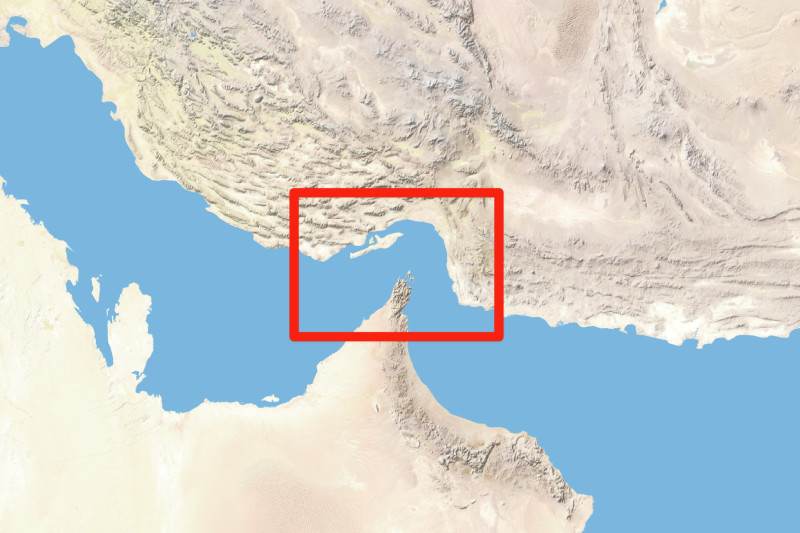
The fluorescent lights flickered to life in the NATO briefing room, casting a harsh glow over the faces of allies gathered to discuss the latest crisis. The Mark Rutte's expression was stern, his brow furrowed as he methodically laid out the dilemma. The Strait of Hormuz, a critical chokepoint for global oil trade, was closed, and tensions with Iran were escalating
NATO's Delicate Diplomacy
The hum of phones buzzing in pockets punctuated the silence as NATO Secretary-General Mark Rutte detailed the latest developments. The United States, under the leadership of President Donald Trump, had demanded that NATO allies provide military support to secure the Strait of Hormuz. However, Rutte was faced with a dual challenge: balancing the demands of an ally while navigating the delicate diplomatic landscape of the Middle East. Trump’s threats to reconsider the U.S. role in NATO if allies did not comply added an extra layer of complexity.
Rutte's approach was measured. He acknowledged the gravity of the situation but also emphasized the need for a unified, thoughtful response. “NATO allies are discussing the best way to address the closure of the Strait of Hormuz,” he stated, sidestepping direct comments on Trump's threats. This diplomatic tightrope walk was crucial, given the potential for escalation and the need to maintain NATO solidarity.
Trump’s Frustration and the Alliance's Dilemma
Trump's frustration was palpable. He had branded NATO countries as "very foolish" for not backing his demands, a sentiment that echoed his broader dissatisfaction with the alliance's handling of global security issues. The U.S. President had even threatened to "obliterate" Iran's power plants if the Strait was not reopened within 48 hours, a move that raised eyebrows among allies.
Rutte, however, remained optimistic. Despite the tensions, he signalled confidence that the spat could be resolved, underscoring NATO's commitment to diplomacy and collective security. “I am confident that we can find a solution that addresses everyone’s concerns,” he said, though the path forward was far from clear.
In the meantime, the U.S. was frantically working to avert a prolonged closure of the Strait, acknowledging the complexity of the situation. “Reopening the Strait of Hormuz is a problem without a clear solution,” admitted a senior U.S. official, reflecting the broader challenge facing global leaders.
The Geopolitical Chessboard
Israel's role in the conflict added another layer of complexity. The country had stated its intention to plan for at least three more weeks of war, a move that aligned with Trump's demands but also risked further destabilizing the region. NATO allies, including China, had so far rebuffed Trump's calls to police the Strait, preferring a more measured approach.
The scene in the NATO briefing room was a microcosm of the larger geopolitical chessboard. Rutte's calm demeanor contrasted sharply with the urgency of the situation, as allies debated the best course of action. The stakes were high: a misstep could escalate tensions into a full-blown crisis, while a measured response could preserve stability in the region.
As the meeting adjourned, the room fell silent once more. The challenges ahead were daunting, but Rutte's resolve was unshaken. The Strait of Hormuz remained a critical concern, and Mark Rutte would continue to navigate the delicate balance between diplomacy and military necessity, for NATO and the world.
"We are at a critical juncture, and it is essential to remember that the security of the Strait of Hormuz affects us all. The decisions made today will shape the geopolitical landscape for years to come."