The Tragic Shooting of Sheridan Gorman: A Rose Bud of Loyola University Cut Down
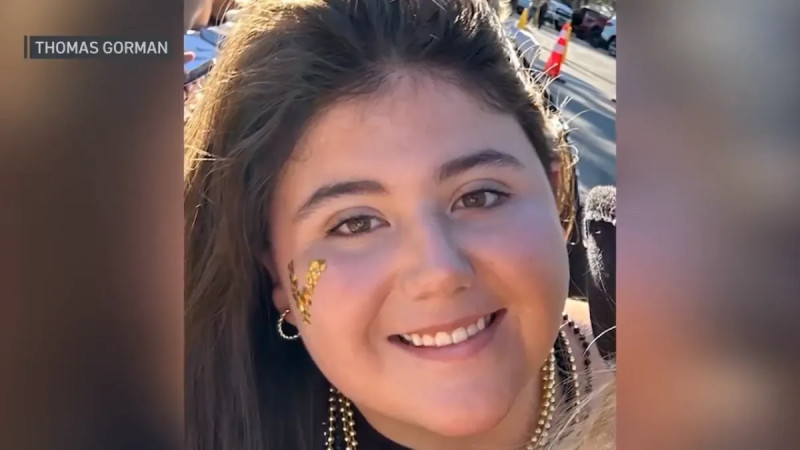
In the heart of Chicago, tragedy struck as Sheridan Gorman, an 18-year-old student at Loyola University, was shot and killed while walking with friends near the Rogers Park campus. This senseless act of violence has shaken the community and raised questions about campus safety and the broader issue of gun violence in the city. Jose Medina, 25, has been charged with first-degree murder and other crimes, according to Chicago police.
The Evening of the Tragedy: A Night Out Gone Bad
On the fateful night of March 23, 2026, Sheridan Gorman and her friends were enjoying an evening out, walking near the picturesque beach in Rogers Park. The serenity of the moment was abruptly shattered when a masked man opened fire, fatally wounding Sheridan Gorman before fleeing the scene. The modus operandi is eerily reminiscent of numerous other incidents where seemingly innocent outings turn deadly in Chicago, highlighting the city's ongoing struggle with gun violence.
The shooting took place in the Rogers Park neighborhood, an area known for its proximity to Loyola University and its vibrant student community. The incident has sent shockwaves through the university, with students and faculty grappling with the sudden loss of a vibrant young life and the unsettling reminder of the fragility of safety in urban areas.
The Family’s Loss and the City’s Pain
The Gorman family has described Sheridan Gorman as "the light of our lives," a testament to her vibrant personality and the joy she brought to those around her. Her family's pain is palpable, and their statements underscore the devastating impact of such violence on families. Her untimely death has left a void that will be difficult to fill, and the community is rallying to support the family in this time of grief. Gorman’s family also emphasizes the need for justice, calling the act a murder and asserting that it was not just a random crime but a deliberate act of violence.
The broader implications of this tragedy extend beyond the personal loss to the Gorman family. It underscores the broader issue of gun violence in Chicago and the need for effective measures to address it. The city has long been grappling with high crime rates, and this incident serves as a grim reminder of the ongoing challenges.
Suspect Details and Legal Proceedings
Jose Medina, the 25-year-old suspect, has been charged with first-degree murder, among other crimes. He was apprehended by the police and is currently facing legal proceedings. Medina, it turns out, was in the country illegally, adding another layer of complexity to the case. This detail has sparked discussions about immigration policies and the potential impact on public safety, especially in light of past administrations' efforts to highlight crimes committed by undocumented individuals.
Let’s not kid ourselves, the intersection of immigration and crime is a fraught issue, and it’s a topic that needs to be discussed thoughtfully and with nuance. While some may point to Medina’s immigration status as a root cause of the problem, it’s essential to acknowledge that the vast majority of undocumented immigrants are law-abiding residents. This incident, a stark reminder of the complexity of the issue, should prompt a deeper conversation about how to address both immigration and public safety without demonizing an entire community.
In the face of such tragedies, we must ask: what more can be done to prevent such senseless violence in the future? One might argue that stricter gun control measures, enhanced community policing, and more robust mental health support systems could all play a part in reducing the frequency of such incidents. Yet, here's what nobody's asking: how can we create a safer environment for our students and young people without infringing on individual rights and freedoms?
The data is damning: Chicago has consistently ranked high in gun violence statistics, and Sheridan Gorman’s tragic death is just one of many examples. This is not to dismiss the broader issues at play, but rather to emphasize the urgent need for action.
Community and Campus Safety: A Call to Action
In the aftermath of Sheridan Gorman's death, Loyola University and the broader Chicago community are grappling with the harsh reality of violence. Many are calling for increased campus safety measures, including better lighting, enhanced security patrols, and more robust emergency response protocols. Additionally, community leaders and law enforcement agencies are being urged to work collaboratively to address the root causes of violence and provide support to affected families. The Loyola community is also rallying together, organizing memorials and support groups to honor Sheridan Gorman's memory and provide comfort to those affected by her tragic death.
Several initiatives are already in place to address these concerns, but more needs to be done. Loyola University has a long history of community engagement and activism, and this tragedy could be a catalyst for even more significant change. The university's administration has pledged to work closely with local authorities and community organizations to enhance safety measures and ensure that Sheridan Gorman's legacy inspires lasting positive changes.
The fatal shooting of Sheridan Gorman serves as a stark reminder of the ongoing challenges we face in ensuring safety on our campuses and in our communities. As we mourn her loss, we must also recommit to the fight against gun violence and work tirelessly to create a safer future for all. Chicago is a resilient city, and it has the potential to lead the way in finding solutions to these complex issues.
But as we reflect on the life of Sheridan Gorman, we must ask: What more can we do to ensure that no other family has to endure such a devastating loss? How can we create a safer environment for our students and young people without infringing on individual rights and freedoms? And will our collective efforts be enough to honor the memory of a life cut short by senseless violence?
How does this story make you feel?
 Up next · WorldRome, Ga: Under Siege