Unmasking the Cicada Threat: Understanding the New Covid Variant BA.3.2 in 2026
The Covid variant BA.3.2 is silently spreading across the globe, with a presence in 23 countries and 25 states in the U.S. alone. Nicknamed "cicada," this variant stands out due to its extensive mutations, which could undermine the protection offered by vaccines or past infections. The CDC is closely monitoring the situation, but what should the public know about this emerging threat? Think again. It is no longer a matter of "if" but "when" the Covid variant BA.3.2 will become a dominant strain.
Origins and Spread of Covid Variant BA.3.2
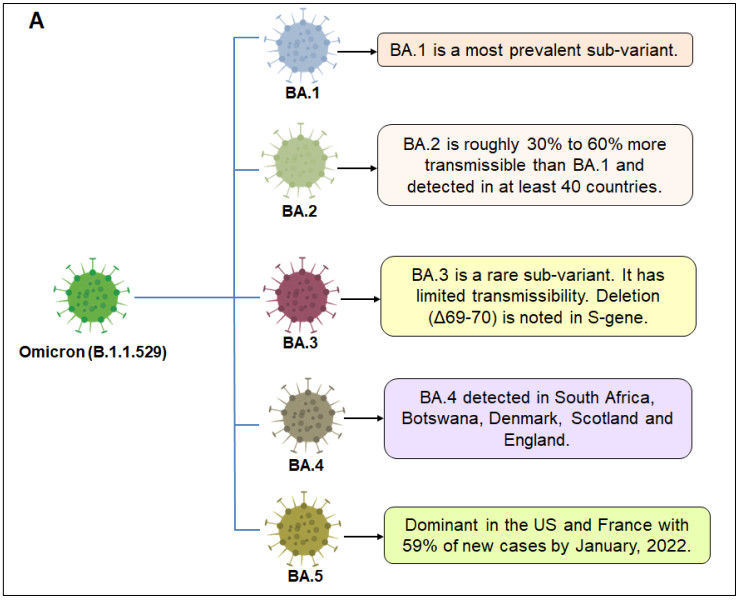
Covid Variant BA.3.2 was first identified in South Africa on November 22, 2024, and has since been detected in 23 countries and 25 U.S. states. Named for its cicada-like emergence, this variant is a heavily mutated subvariant of Omicron. Its extensive mutations, approximately 70-75, set it apart from other strains, potentially making it more immune evasive.
Why Covid Variant BA.3.2 is a Concern
Public health authorities are particularly concerned about Covid Variant BA.3.2 due to its high number of mutations, which could enable it to evade immunity from previous infections or vaccinations. BA.3.2 currently accounts for a small percentage, 0.55%, of COVID-19 cases in the U.S., but its presence in wastewater samples from 25 states suggests a more widespread issue.
“The emergence of BA.3.2 highlights the ongoing challenge of SARS-CoV-2 evolution and the need for vigilant surveillance and adaptive vaccination strategies,” said Tara Smith, a professor of epidemiology at Kent State University.
What You Should Know and What It Means for You
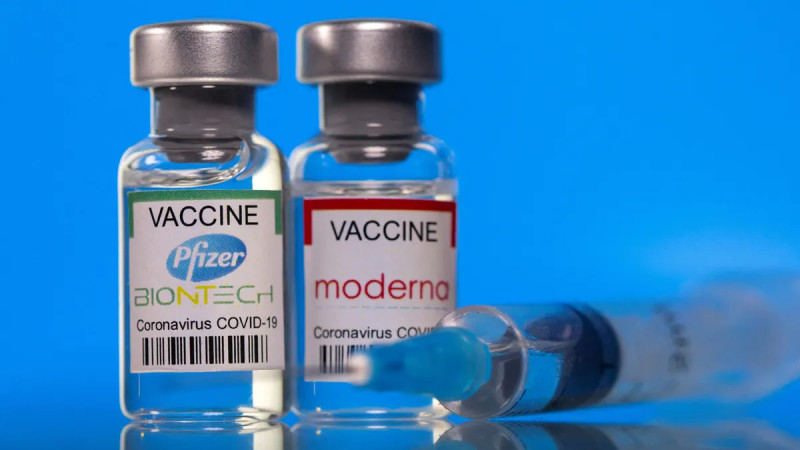
As of now, Covid Variant BA.3.2 may pose a threat to public health, but the CDC is advising the public to remain calm and continue following the standard precautions. The CDC continues to recommend the 2025-2026 COVID-19 vaccines, including the LP.8.1-adapted mRNA formulation and the JN.1-adapted protein formulation, which currently provide protection against predominant US variants.
If you are considering why you should worry about Covid Variant BA.3.2? Here is the answer: The CDC is using a multimodal SARS-CoV-2 genomic surveillance approach to monitor the emergence and spread of this variant. However, the CDC has not issued a specific warning or recommendation for Covid Variant BA.3.2 beyond the general guidance to stay updated on vaccine recommendations and follow standard precautions.
Should you panic? No. However, you must become more vigilant and stay informed about Covid Variant BA.3.2 and its potential impact on public health. Keep your vaccines updated, and practice the standard precautions, including wearing masks, maintaining social distancing, and practicing good hygiene. The CDC and other public health authorities are closely monitoring the situation and will provide updates as needed. It is time to ask: Do you have a plan in place to protect yourself and your loved ones from this emerging threat?
How does this story make you feel?
 Up next · HealthMetformin Brain: The Surprising Twist in Diabetes Treatment