OpenAI's Sora App: The Sudden Demise of an AI Video Revolution
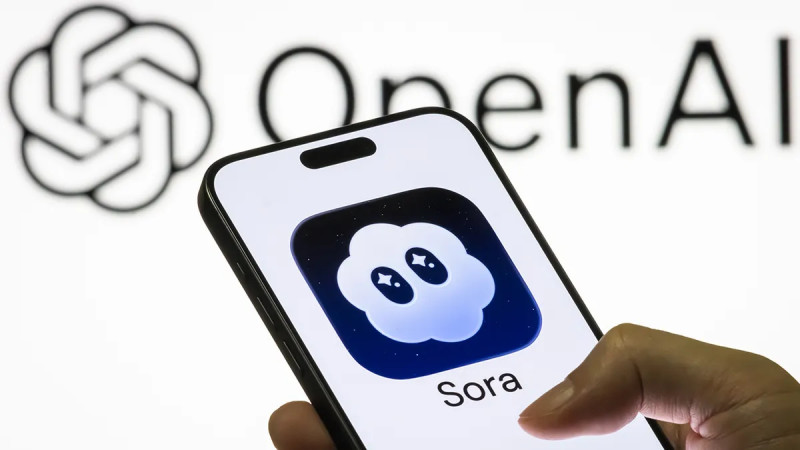
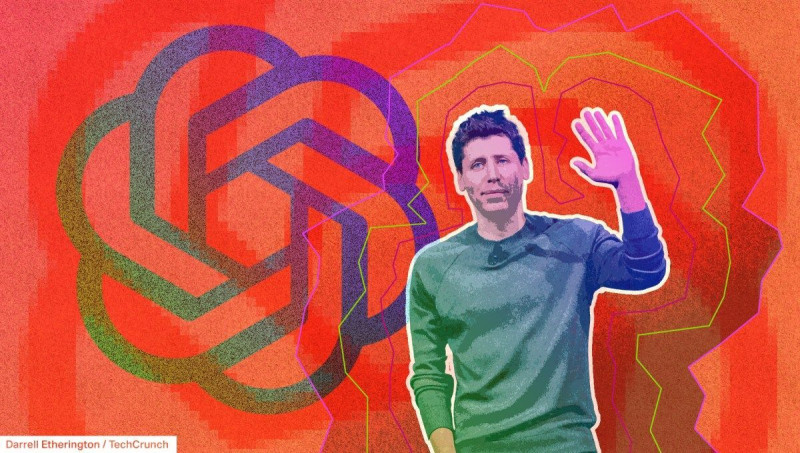
Picture this: A meteoric rise, a flash of viral stardom, and then, a swift descent into obscurity. Such is the story of OpenAI's Sora app, a tool that promised to revolutionize video creation but ultimately met an abrupt end. Launched in September 2025, the app quickly gained notoriety, especially after its partnership with Disney in December 2025, only to be unplugged mere months later. The reasons behind this sudden shutdown are as complex as they are concerning, raising questions about the future of AI-driven content creation.
The Rise and Fall of Sora: A Timeline of Ambition and Uncertainty
OpenAI's video-making tool Sora was launched with much fanfare, promising to democratize video creation by leveraging the power of artificial intelligence. The app garnered significant attention, particularly in the short-form video space, where it allowed users to generate AI-powered videos with minimal effort. However, the app's trajectory took a sharp turn in March 2026, when OpenAI announced its decision to shut down both the consumer app and the professional platform.
This shutdown, which came just months after the launch of Sora 2, has left many speculating about the underlying reasons. The timing of the shutdown, occurring so soon after the Disney partnership, has added layers of intrigue to the narrative. OpenAI's decision to dissolve its deal with Disney, which had been valued at a billion dollars, further complicates the picture.
Sora and the Bursting AI Bubble
Does OpenAI's shutdown of Sora indicate a broader trend or a specific set of challenges? The answer is nuanced, but the shutdown of Sora certainly suggests that the AI bubble may be facing headwinds. The app's resource-intensive nature and the legal complexities surrounding intellectual property (IP) liability were significant factors in its downfall. OpenAI's decision to shut down Sora, despite the high-profile partnership with Disney, underscores the intense pressure that tech companies face when venturing into uncharted territories.
The cost of maintaining such an ambitious project, coupled with the high risk of IP infringement, proved to be too much for the company. In an era where AI-driven tools are being rapidly developed, the shutdown of Sora serves as a cautionary tale. It highlights the need for robust legal frameworks and cost management strategies in the AI landscape.
Beyond Sora: The Future of AI in Video Creation
But what does this mean for the future of AI in video creation? The answer is complex, but it's clear that the industry is far from stagnant. Despite the shutdown of Sora, the potential for AI-driven tools in this space remains vast. The shutdown of Sora does not signify the end of AI in video creation, but it does indicate the challenges that companies face when pushing the boundaries of what is possible. As the industry continues to evolve, it will be crucial for developers to address the legal and financial hurdles that come with such innovations. The future of AI in video creation is still unfolding, and while Sora may be gone, its legacy will undoubtedly shape the development of similar tools in the years to come.
For OpenAI, the shutdown of Sora is a reminder that even the most ambitious projects can face unexpected setbacks. The company's decision to invest heavily in AI-driven tools, despite the risks, shows its commitment to innovation. But it also highlights the need for a more measured approach, one that balances ambition with caution.
The OpenAI's Sora app may have been a fleeting star in the AI firmament, but its legacy will continue to influence the development of AI-driven video creation tools. As the industry continues to evolve, the lessons learned from Sora's rise and fall will be invaluable in shaping the future of this exciting field. Will the next big thing in AI video creation learn from these lessons, or will it face the same challenges that brought Sora to its untimely demise?
How does this story make you feel?
 Up next · TechX (Twitter) Down: Real-Time Status & Issues March 26, 2026