The US Army has made a significant shift in its enlistment policies, raising the draft age limit to 42, a move that could have far-reaching implications for national defense and military readiness. This change, announced by the Army, comes amidst growing concerns over potential military drafts and the need to maintain a robust and diverse force. But what does this mean for the future of the Army, and how will it impact the overarching military landscape? Let's dive into the details and analyze the broader impact of this policy shift.
Understanding the New Draft Age Limit: A Comprehensive Overview
The recent change, highlighted in Army Regulation 601-210, published on March 20, 2026, marks a pivotal moment in the Army's recruitment strategy. The new regulation raises the maximum enlistment age to 42, allowing both non-prior service applicants and those with prior military experience to join the Army. This move extends the previous limit of 35, which was set in 2016 after a temporary increase to 42 in 2006 during the Iraq and Afghanistan operations .
The decision to raise the draft age limit to 42 is driven by the need for a more diverse and experienced workforce. This move also eases some restrictions, including those related to marijuana convictions. Prior to this change, recruits with a single prior conviction for marijuana or drug paraphernalia possession required a waiver. However, the new regulation has lifted this requirement, making it easier for a broader pool of candidates to enlist .
Assessing the Impact: Implications for Military Readiness and National Defense
The Army's decision to raise the age limit for enlistment to 42 is part of a broader strategy to ensure military readiness and national defense. With an aging population and increasing operational demands, the Army is seeking to leverage the experience and skills of older recruits. This move is expected to enhance the Army's operational capabilities by bringing in individuals with diverse backgrounds and experiences .
According to a military expert, "The Army is recognizing the value of experienced individuals who can bring a wealth of knowledge and skills to the force. This move not only addresses immediate needs but also positions the Army for long-term success."
However, the decision is not without its critics. Some argue that raising the age limit could potentially reduce the physical fitness and agility of new recruits, which are crucial for certain military roles. This counter-argument highlights the need for a balanced approach, ensuring that physical standards are maintained while also leveraging the skills and experience of older recruits .
The Broader Military Landscape: How Other Branches Compare
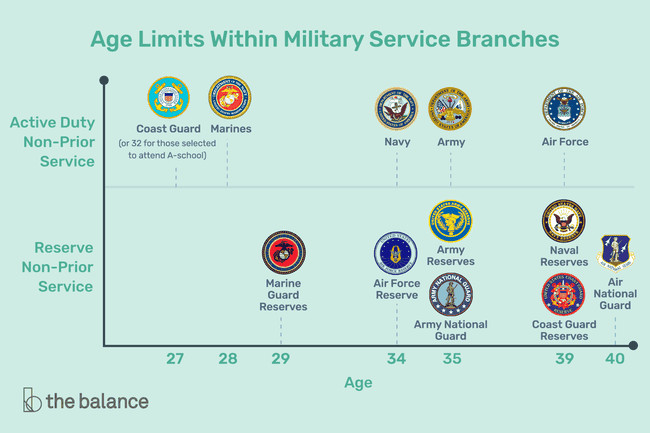
The Army's decision to raise the draft age limit to 42 places it among the highest in the military. For instance, the Marine Corps maintains an enlistment age limit of 29, while the Air Force and Navy have limits of 34 and 34, respectively. This disparity underscores the Army's unique approach to recruitment and its emphasis on experience and versatility .
The new regulation also introduces a "streamlined" approach to enlistment, simplifying the process for both non-prior service applicants and those with prior military experience. This move is expected to attract a more diverse pool of candidates, including those who may have previously been deterred by complex and lengthy enlistment processes .
The Army's decision to raise the draft age limit to 42 is a bold move that reflects the evolving needs of the military and the broader societal landscape. As the demands on the military continue to grow, this shift in policy positions the Army to better meet these challenges. The data is damning — with an aging population and the intensifying conflict in Iran, the need for a diverse and experienced workforce has never been greater.
But here's what nobody's asking: just how far will the Army go to ensure it has the best and brightest in its ranks, even if that means continually raising the draft age? Let's not kid ourselves, the future of military recruitment is here, and it's looking a lot like the Army of 2026. The Army's move to raise the age limit to 42 is a reminder that in times of conflict, a nation's military must adapt and evolve, much like the Continental Army did during the American Revolution, when necessity and courage drove it to unprecedented heights.