Astronauts Embark on Historic Artemis II Rendezvous with the Moon
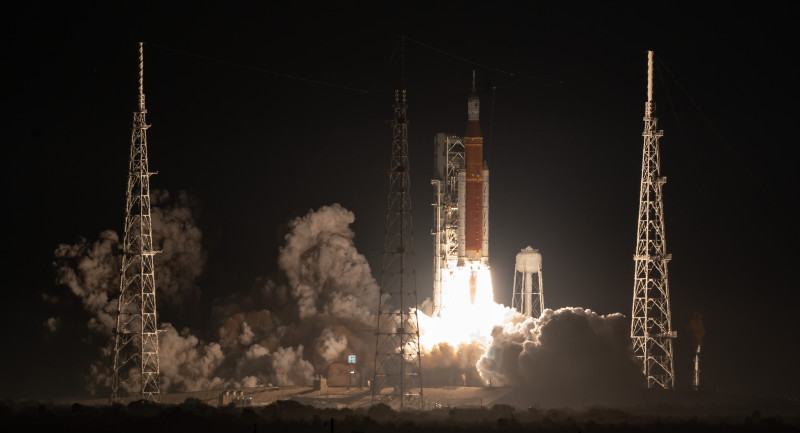
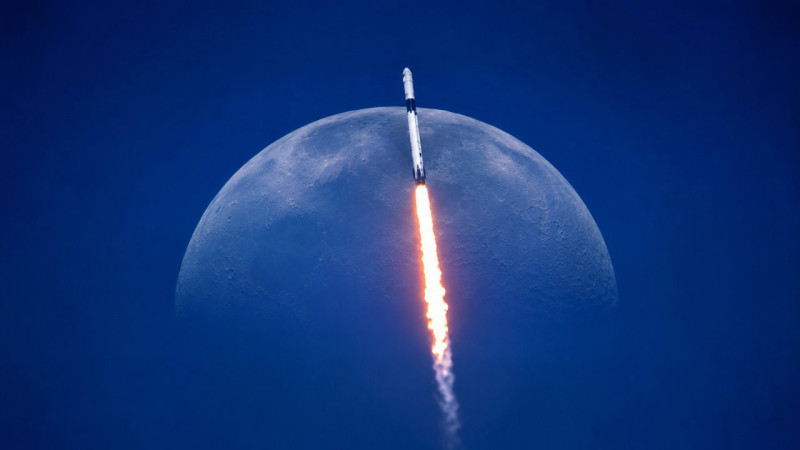
The NASA Artemis II rocket launch has sent a crew of intrepid astronauts on a journey that hasn't been taken in over half a century. As the clock struck 6:24 p.m. on April 2, 2026, the 32-story Space Launch System (SLS) rocket roared to life from the Kennedy Space Center in Florida, heralding a new era of lunar exploration.
Worlds Watching Artemis II's Historic Journey
The Artemis II mission marks the first time humans have ventured to the moon in 53 years, a feat that has captivated the world and reignited the fire of space exploration. The mission aims to test the capabilities of the Orion spacecraft and the crew, setting the stage for future lunar landings and, eventually, missions to Mars.
The Artemis II crew includes Reid Wiseman, Victor Glover, Christina Koch, and Jeremy Hansen. These astronauts, after a rigorous training regimen and emotional farewells, are now hurtling several thousand miles beyond the moon, poised to execute a precise U-turn and return to Earth.
NASA’s Artemis II updates have been meticulously tracked, with live coverage and real-time data providing a comprehensive view of the mission's progress. For those eager to follow along, NASA's Artemis II Live Tracker offers detailed flight data, exact launch countdowns, and crew information, making it easy for enthusiasts to stay informed.
Let's not kid ourselves; the significance of this mission cannot be overstated. The Artemis II journey is more than just a trip around the moon; it's a crucial step in the grander narrative of space exploration. The data gathered during this mission will be invaluable in refining the technology and protocols necessary for future lunar landings and long-term missions.
Counter Argument: The Cost of Space Exploration
While the Artemis II mission is a monumental achievement, some question the astronomical costs involved. Critics argue that such investments could be redirected towards more pressing issues on Earth. However, the potential benefits of advancing space technology, including the development of new materials and medical advancements, are too significant to ignore. The cost-benefit analysis of space exploration is complex, but the pioneering spirit and technological advancements it fosters are irreplaceable.
The Art of Precision: Launch, Trajectory, and Return
The precision required for the Artemis II mission is a testament to NASA's engineering prowess. The launch window, which opened at 6:24 p.m., was meticulously planned to ensure the optimal trajectory for the mission. The weather forecast played a crucial role, with conditions carefully monitored to avoid any potential disruptions.
As of this moment, the Artemis II spacecraft is hurtling through space, several thousand miles beyond the moon. The crew is conducting vital experiments and collecting data that will inform future missions. For those wondering where Artemis II is right now, the mission tracker provides real-time updates, ensuring that the public stays informed about every phase of this historic journey.
One detail missed in all the excitement is the emotional toll on the astronauts and their families. The preparations leading up to the launch, including emotional goodbyes, show the human side of this technological marvel. It's a stark reminder that behind every great mission are individuals willing to put their lives on the line for the advancement of humanity.
As NASA's Artemis II mission continues, it is crucial to stay updated with the latest developments. NASA's official Artemis II News and Updates page provides comprehensive coverage, ensuring that the public remains informed about the mission's progress and its significance for future lunar exploration and beyond.
Right now, the Artemis II mission is more than just a flight around the moon; it’s a bold step towards a future where humanity’s presence extends beyond our home planet. As we watch the astronauts embark on this historic journey, let's remember that the Artemis II launch is not just a milestone but a beacon of human ingenuity and determination.
How does this story make you feel?
 Up next · ScienceTornado Watch Vs. Warning: What's The Difference?