Amaka Agugua-Hamilton Fired by Virginia Despite Historic Sweet 16 Run
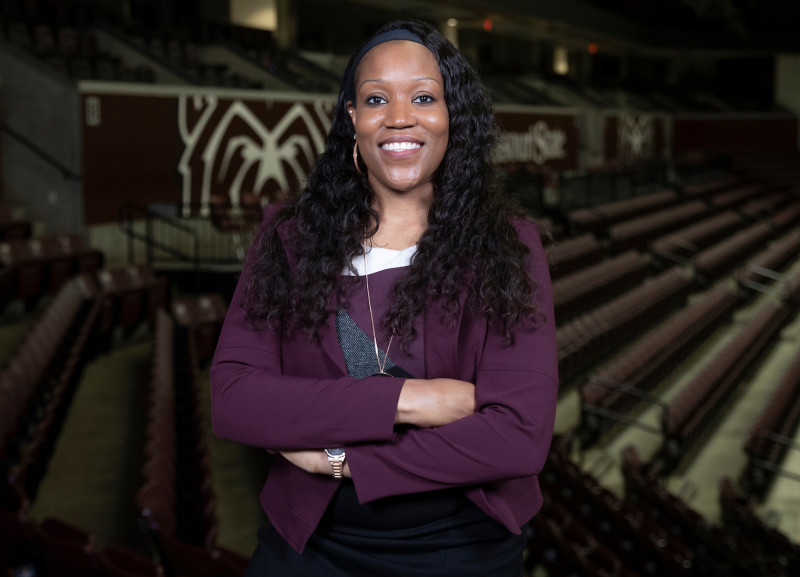
In a move that has sent shockwaves through the college basketball world, Amaka Agugua-Hamilton has been fired as the head coach of the University of Virginia’s women’s basketball team. The decision, announced 2026-04-04, comes just weeks after Agugua-Hamilton led the Cavaliers to the Sweet 16, their first appearance in the round of 16 since 2000.
A Surprising Decision Amidst a Cinderella Season
The timing of this decision is as bewildering as it is controversial. Agugua-Hamilton, affectionately known as "Coach Mox," had just finished one of the most successful seasons in recent years for Virginia women's basketball. The team’s Sweet 16 appearance was a monumental achievement, marking a significant step forward after years of rebuilding.
However, Virginia Athletic Department decided to part ways with Agugua-Hamilton, citing performance metrics and future strategic alignment, stating "Virginia Athletics announced today (April 4) Amaka Agugua-Hamilton will not return as head coach of the women's basketball program. A national search will begin immediately". The coach compiled a 70-58 record during her tenure, including a 29-42 mark in the ACC. This news, coming right after a historic run, highlights the often brutal and unpredictable nature of collegiate coaching careers.
The Challenges of NCAA Women's Basketball Coaching
The women's NCAA basketball coaching landscape is riddled with challenges. Coaches are often under immense pressure to meet high expectations, deal with tight budgets, and manage the relentless scrutiny from media and fans. Agugua-Hamilton’s dismissal underscores these challenges. Despite her efforts to rebuild the program and achieve a notable milestone in the Sweet 16, the decision to let her go seems to have been based on long-term strategies and strategic alignment rather than immediate results. Concerns about the sustainability of success and the need for a fresh approach to lead the team forward are also potential elements the athletic department considered.
A Counter-Argument on Performance Metrics
However, it is crucial to acknowledge one counter-argument: the focus on short-term wins and losses can sometimes obscure the broader impact of a coach. While Agugua-Hamilton’s record may not have been stellar in all metrics, her contributions to the program's morale and development should not be overlooked. The Cavaliers' Sweet 16 appearance, though a singular achievement, was a testament to her ability to motivate and inspire her team. The Virginia Athletic Department, in an effort to manage public scrutiny, stated that a national search is being launched to find a suitable replacement for Agugua-Hamilton.
Let's not kid ourselves: while the dismissal of Agugua-Hamilton has sparked debate, the core issue remains the need for a more nuanced evaluation of coaching performance. The focus on immediate wins often overshadows the broader strategic vision and long-term development that coaches like Agugua-Hamilton bring to the table. This situation raises a critical question: how should we measure the success of a coach, especially in a sport as demanding and competitive as college basketball?
“The decision to part ways with Coach Agugua-Hamilton is not about her performance on the court. It’s about looking to the future and ensuring that the program continues to grow and succeed.” - Virginia Athletic Department Official
What does this mean for the future of women's NCAA basketball coaching? The data is damning: the turnover rate among coaches is alarmingly high, and the pressure to deliver instant results can be overwhelming. Here’s what nobody’s asking: how can we foster a more supportive and sustainable environment for coaches, especially those who are leading programs through rebuilding phases? We’re left grappling with the question of whether the Amaka Agugua-Hamilton dismissal is a wake-up call or a missed opportunity to redefine coaching success in women's NCAA basketball.
How does this story make you feel?
 Up next · SportsRajasthan Royals Top the Points Table After Thrilling Victory Over Gujarat Titans