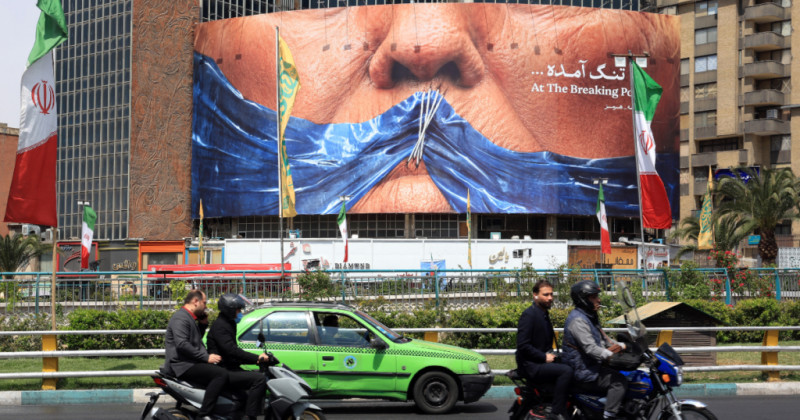
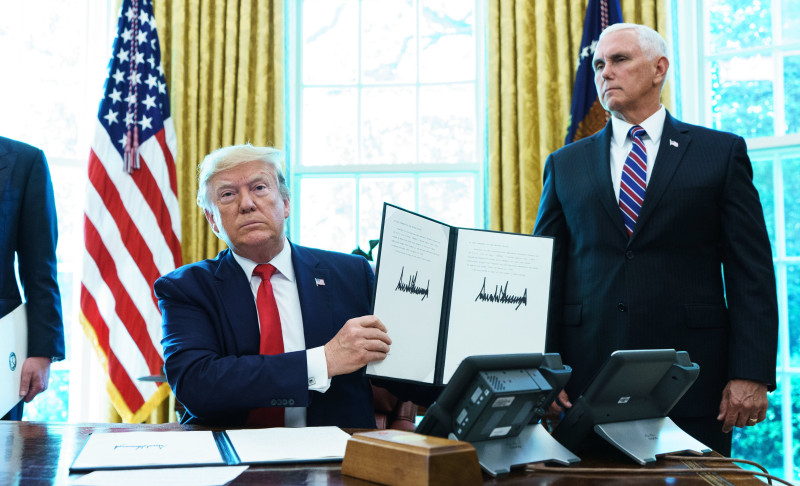
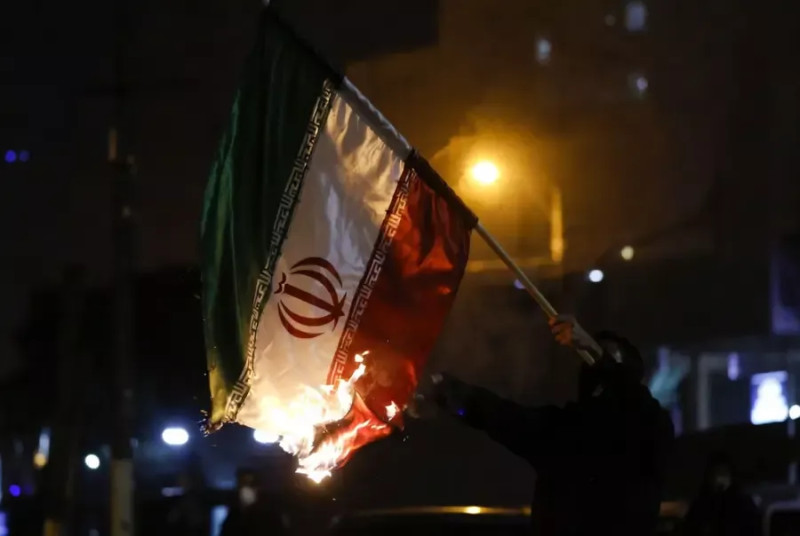
Iran Mediators Make Last-Ditch Push for 45-Day Ceasefire
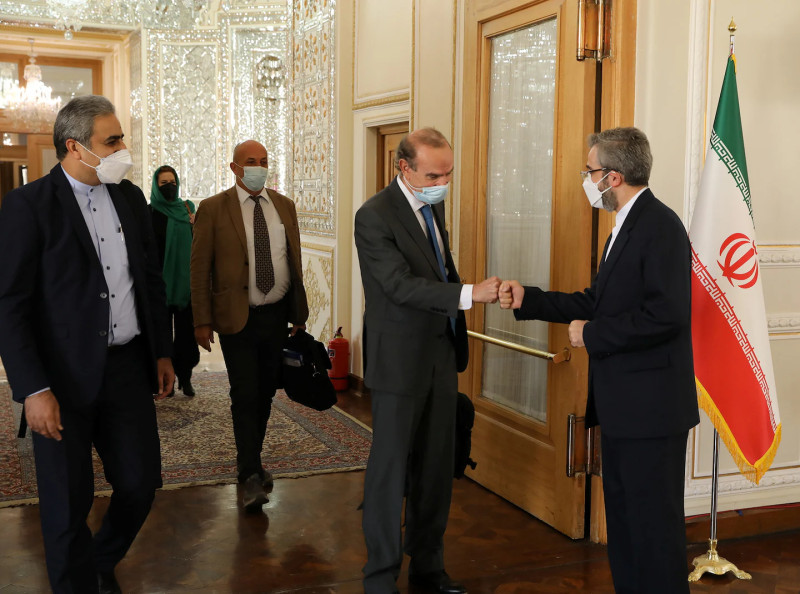
As tensions continue to escalate in the Middle East, Iran mediators are making a final push for a 45-day ceasefire, a critical move that could potentially lead to a permanent end to the ongoing conflict. With the United States, Iran, and a coalition of regional mediators deeply engaged in discussions, the stakes are high. The window for a partial deal is narrow, but this last-ditch effort represents the only viable chance to avert further devastation.
The Crucial Role of Regional Mediators
The mediators involved in these negotiations are playing a pivotal role in brokering a 45-day ceasefire. According to multiple sources, the discussions center around two critical issues: reopening the Strait of Hormuz and addressing Iran's highly enriched uranium stockpile. These mediators, which include countries like Pakistan, Turkey, Egypt, and Oman, are exploring whether Iran can commit to these terms, thereby creating a pathway to a more enduring peace. Pakistan, in particular, has emerged as an unexpected but influential mediator, offering to help bring Washington and Tehran to the negotiating table amidst escalating regional conflict.
However, the success of these mediation efforts is far from guaranteed. Current reports suggest that mediation efforts led by regional countries, including Pakistan, to broker a ceasefire between the United States and Iran have reportedly reached a dead end. This raises the question of whether these countries are equipped or willing to navigate the complex diplomatic landscape required to achieve a lasting solution. Moreover, it highlights the need for a more concerted international effort to support these mediators in their critical mission.
Let's not kid ourselves, the ceasefire negotiations are fraught with complexity. Iran has its own set of demands, which include lifting economic sanctions and recognition of its nuclear program. While the U.S. has sent a 15-point ceasefire plan to Iran via Pakistan, Tehran's conditions are stringent, and the path to a mutually acceptable agreement is fraught with obstacles.
The Two Major Issues on the Table
At the heart of the negotiations are two major issues: reopening the Strait of Hormuz and addressing Iran's highly enriched uranium stockpile. The Strait of Hormuz is a critical waterway for global oil trade, and its blockade by Iran has caused significant disruptions. Iran's enriched uranium stockpile, on the other hand, is a contentious issue due to concerns over its potential use in nuclear weapons. Mediators are reportedly exploring whether Iran can commit to these terms, thereby creating a pathway to a more enduring peace.
The data is damning. The ongoing conflict has already taken a significant toll on the region, with civilians bearing the brunt of the violence. The recent escalation of tensions has led to increased casualties and widespread destruction. The U.S. and Iran have both engaged in targeted strikes, further complicating the situation. As the conflict continues to escalate, the need for a 45-day ceasefire becomes ever more urgent. Here's what nobody's asking: Can the current mediators, with their limited resources and influence, truly navigate the complex web of interests and demands that define this conflict?
The Efficacy of the Ceasefire Efforts
Despite the challenges, there is a glimmer of hope. The efforts to broker a ceasefire are not without precedent. In the past, regional mediators have played crucial roles in resolving conflicts in the Middle East. However, the current situation is uniquely complex, with multiple players and conflicting interests at play. The success of the 45-day ceasefire will depend on the ability of the mediators to navigate this complex landscape and broker a deal that addresses the core concerns of both sides. One key aspect of this is ensuring that the terms of the ceasefire are not just accepted but adhered to, a monumental task given the deep-seated mistrust between the two nations.
It is worth noting that the current push for a 45-day ceasefire is not the first attempt at mediation. Previous efforts, while well-intentioned, have largely failed to produce lasting results. This raises the question of whether the current mediators are equipped to handle the complexities of the conflict and whether the United States and Iran are genuinely committed to finding a peaceful resolution. The latest developments, however, suggest a renewed push for a resolution, with Pakistan stepping up as a mediator.
But here's a twist: the chances for reaching a partial deal over the next 48 hours are slim. This sobering reality underscores the urgency of the situation and the need for all parties involved to approach the negotiations with a sense of urgency and flexibility. The 45-day ceasefire could be a stepping stone to a more sustainable peace, but only if the mediators and the warring parties are prepared to make the necessary compromises. Otherwise, the region risks being plunged into a deeper and more devastating conflict, with no end in sight.
"The biggest issue here is maintaining the momentum of diplomacy while dealing with the reality of the situation on the ground," said [an expert in international relations]. "It's a balancing act, and it's one that requires a high level of political will and diplomatic skill."
With the fate of the Middle East hanging in the balance, the mediators involved in the 45-day ceasefire negotiations face an immense challenge. The stakes are high, and the odds are stacked against them. But as the region teeters on the brink of a full-scale war, the success of these negotiations could determine the course of history for generations to come. As world leaders look on, the question remains: Can the mediators rise to the occasion and broker a lasting peace in the Middle East? Only time will tell. What's clear is that the future of the region hangs in the balance, and the world watches with bated breath.
How does this story make you feel?
 Up next · WorldOrlando Weather Today: April 2026 Brings Sun and Surprises