Why does Easter Change Every Year?
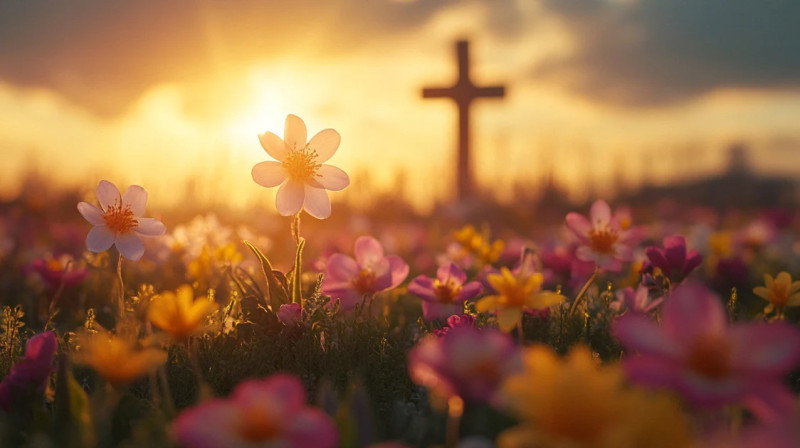
Every April, families gather around brightly colored eggs and baskets filled with chocolate treats, celebrating a holiday that seems to defy the calendar. Easter is a moveable feast that shifts each year. This year, Easter Sunday falls on April 5, 2026. Why does the date change? It’s a question rooted in both lunar cycles and ancient religious traditions.
The Lunar Connection - How the Moon Affects Easter’s Date
Easter is determined by the paschal full moon, also known as the Paschal Full Moon, which is the first full moon after the vernal equinox. The vernal equinox, which typically falls around March 21, signals the beginning of spring in the Northern Hemisphere, which is crucial to the date of Easter. The Paschal Full Moon then determines the date of Easter, which is always the first Sunday after this full moon. — This lunar connection means the date of Easter can fall as early as March 22 and as late as April 25 in any given year.
Easter and the Jewish Passover - Why This Connection Matters
Easter's connection to the Jewish Passover is a significant historical factor in the changing date. The resurrection of Jesus is believed to have occurred during Passover, a major Jewish holiday. Early Christians, seeking to maintain this historical link, aligned Easter with the Paschal Full Moon, ensuring that Easter always follows Passover. — This alignment reflects the deep historical and religious significance of the holiday, marking the first Sunday after the Passover.
Historical Significance - How Early Christians Set the Rules
The fluctuating date of Easter is rooted in ancient lunar calendars. Early Christians, facing the challenge of synchronizing their religious feast with the Jewish Passover, used the lunar calendar. This was a standard practice in many ancient cultures, including the Jews, who based their calendar on the phases of the moon. — The Council of Nicaea in 325 AD determined the rules for calculating the date of Easter, ensuring that it would always be celebrated on the first Sunday after the Paschal Full Moon. This decision laid the groundwork for the modern calculation of Easter’s date.
Astronomical and Historical Insights
The intricate rules governing the date of Easter involve both astronomical observations and historical traditions. — The vernal equinox, the Paschal Full Moon, and the Sunday following the full moon all play crucial roles in determining when Easter will fall. — These calculations are deeply rooted in ancient practices and have been refined over centuries to ensure that Easter maintains its historical and religious significance.
The rules governing the date of Easter are complex, involving both astronomical observations and historical traditions. The vernal equinox, the Paschal Full Moon, and the Sunday following the full moon all play crucial roles in determining when Easter will fall.
As we approach the Easter Sunday, where have you planned to spend your Easter?
How does this story make you feel?
 Up next · EntertainmentFeliz Pascua de Resurrección: Celebrating Hope and Renewal