Ontario Battles Widespread Fire Emergency as Seasonal Threat Looms
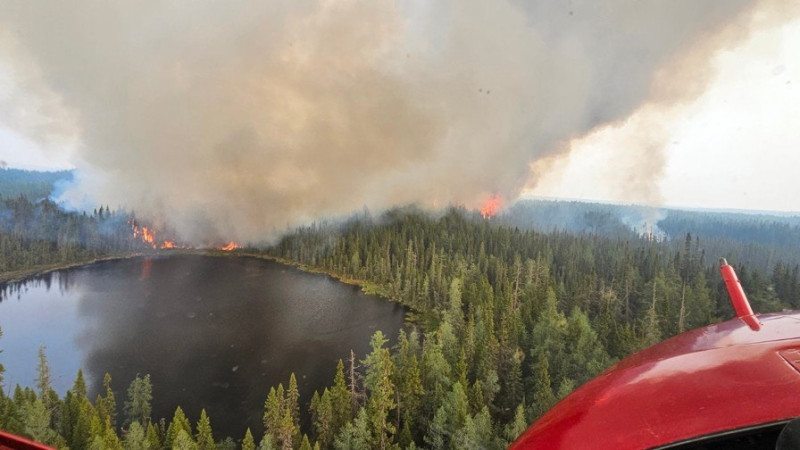
As of April 7, 2026, Ontario is grappling with a fire emergency, with multiple incidents across the province highlighting the escalating threat of wildfires. The escalating danger underscores the urgent need for preparedness and mitigation strategies as the province braces for what could be a severe season, following a 2025 season that burned nearly 600,000 hectares.
Urban Fire Incidents Present Immediate Challenges
The fire in the London public housing apartment building sent nine people to the hospital, highlighting the immediate and severe consequences of urban fires. This event underscores the vulnerability of urban areas and the need for robust emergency response mechanisms. The fire at a Peel Region Public Works building in Caledon has also raised concerns about infrastructure safety and the need for swift action in the face of such disasters.
Wildfire Season Heightens Regional Concerns
While urban fires pose immediate threats, the looming wildfire season presents a broader, more prolonged challenge. The Ministry of Natural Resources is ramping up preparations for the 2026 wildfire season, with a particular focus on Northwestern Ontario. The province faces a recurring issue of hundreds of fires annually, exacerbated by climate change and the lingering effects of the 2025 season. The Canadian Wildland Fire Information System (CWFIS) is closely monitoring fire conditions, providing daily updates and data that are crucial for coordination and response.
With the snow cover set to dissipate slowly, the conditions are ripe for widespread wildfires, prompting the Ministry of Natural Resources to take proactive measures. “This year, we are more prepared than ever,” said a spokesperson for the ministry, emphasizing the importance of early intervention and strategic planning.
Strategic Preparedness and Prevention Efforts
Ontario is stepping up its fire management efforts with staffing increases, equipment investments, and upcoming regulatory changes aimed at enhancing wildfire readiness. These measures are part of a broader strategy to mitigate the risks posed by wildfires, which not only threaten lives and property but also have significant environmental and economic impacts.
However, some critics argue that while these efforts are commendable, they may not be sufficient given the scale of the threat. Let’s not kid ourselves, the data is damning: the 2025 season, which burned nearly 600,000 hectares, serves as a stark reminder of what’s at stake.
Fires in Rural and Industrial Areas
Rural and industrial areas are not immune to the fire threat. A recent incident involving a pile of irrigation drip tape near a railroad underpass in Ontario serves as a stark reminder of the potential for widespread damage. This incident highlights the need for vigilance in both rural and industrial settings, where the risk of fire can be equally severe.
In a broader context, the Canadian Interagency Forest Fire Centre (CIFFC) plays a crucial role in coordinating resource sharing, mutual aid, and information sharing across the country. The CIFFC's efforts are essential for managing wildfires effectively, especially as the threat of fires becomes more pervasive.
But nobody's asking, how can local communities be better prepared? What steps can they take to mitigate the risks posed by wildfires, especially in areas where resources are limited? The answer lies in community engagement and education, empowering local residents to take an active role in wildfire prevention and response.
Looking Ahead
As the fire season intensifies, Ontario must remain vigilant and proactive in its efforts to manage and mitigate the risks posed by wildfires. The recent incidents serve as a wake-up call, underscoring the urgent need for comprehensive strategies that address both immediate and long-term threats. The province cannot afford to let its guard down, especially as it braces for what could be a record-breaking fire season.
How does this story make you feel?
 Up next · WorldCCRI Lockdowns: Unraveling the Recent Security Incidents