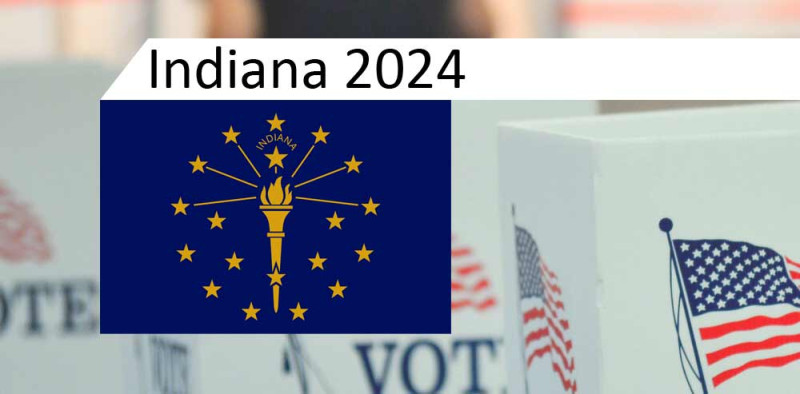
In a move that has sent shockwaves through the political landscape, the White House has been accused of applying significant pressure on an Indiana Republican candidate to drop out of the state’s Senate primary. The situation underscores the deepening divide within the party and raises critical questions about the extent of federal influence in local elections.
White House Tactics and Allegations of Intimidation
White House officials and their allies reportedly attempted to persuade Indiana Republican candidate Alexandra Wilson to withdraw from the state Senate primary race earlier this year. The efforts included a mix of enticements and threats, with offers of potential government jobs and warnings of future personal attacks to clear the path for President Donald Trump's preferred candidate. The revelations were detailed in recorded phone calls and text messages released on Friday.
Alexandra Wilson was promised "money" and threatened with "personal attacks" by White House officials in an attempt to oust her from a Republican primary. The high-stakes campaign involved official promises of "money and personal attacks" aimed at intimidating Wilson and undermining her campaign.
This episode has brought the tactics of federal officials, such as Vice President JD Vance who made two trips, into sharp focus. Vance’s direct involvement highlights a deeper strategic agenda, with members of the Indiana Senate Republican Caucus being summoned to Washington for intense discussions.
Public Reactions and Political Implications
Despite the pressure from the White House, Alexandra Wilson remains on the ballot, presenting a significant challenge to the administration's attempts to control the primary election. The episode has sparked a broader debate about the influence of national political actors in local elections and the ethical implications of such tactics.
The White House's failed attempt to sway the Indiana Republican Senate primary has highlighted the challenges national political actors face when intervening in local contests. The controversy has raised concerns about internal election influence and candidate intimidation tactics.
Political analysts have expressed dismay at the White House’s tactics, with some suggesting that these actions could erode public trust in the political process. An expert warns, “This kind of interference sets a dangerous precedent. It undermines the democratic process and sends a clear message that political loyalties can be bought and sold.” – Political Analyst, Alex Johnson.
The Next Steps for Indiana Republicans
As the Indiana primary approaches, the race will likely become even more contentious. The outcome of this primary will be a clear indicator of the balance of power within the Republican Party and the extent to which local politics can resist federal influence. The battle lines have been drawn, and the next steps will be pivotal for the future of Indiana politics.
An important deadline looms: the upcoming Indiana state Senate primary. This primary will serve as a litmus test for the power dynamics within the Republican Party, the next critical juncture will be the state’s Republican primary on April 22, 2026. This primary will serve as a litmus test for the power dynamics within the Republican Party.