The First Moon Landing: A Leap for Mankind, Questioned by Modern Sceptics
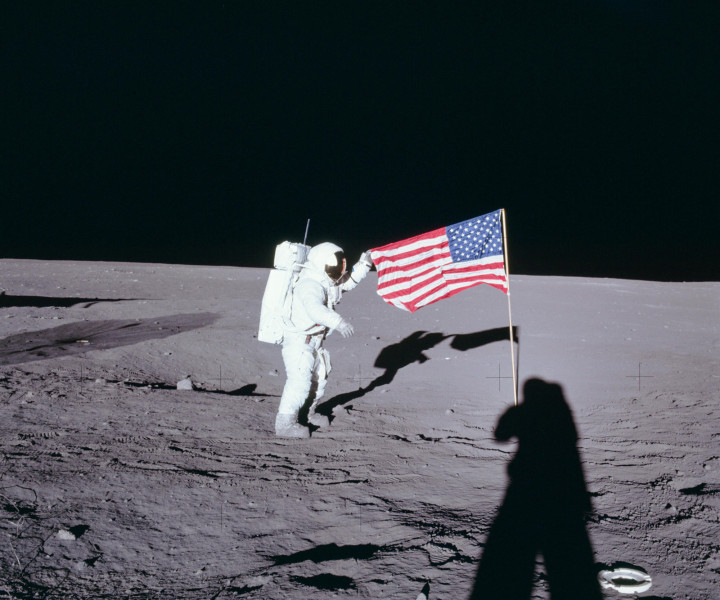
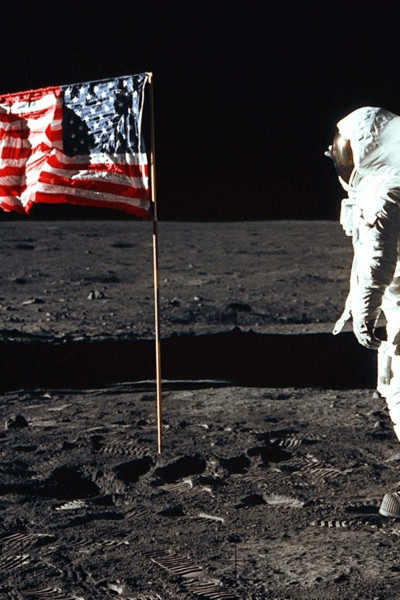
On July 20, 1969, the world held its breath. In the hum of the control room, the voice of Houston crackled over the airwaves, "Houston, Tranquility Base here. The Eagle has landed." This was the moment when Neil Armstrong and Buzz Aldrin first set foot on the lunar surface, marking the first human moon landing in history.
How the Moon Landing Changed Our World
The Apollo 11 mission was more than just a moon landing: it was a symbol of human achievement and a testament to the power of scientific innovation. President John F. Kennedy had set the goal in 1961, challenging the United States to land a man on the moon and return him safely to Earth by the end of the decade. The mission not only fulfilled this audacious vision but also marked the pinnacle of the Space Race, a Cold War-era competition between the United States and the Soviet Union.
The moon landing was a monumental feat that captured the imagination of the world, demonstrating the potential of human ingenuity and pushing the boundaries of what seemed possible. The technological advancements spurred by the moon landing have had lasting impacts on various industries, from medicine to communications, and continue to inspire generations to reach for the stars.
In the fluorescent glare of the briefing room, NASA officials acknowledged that despite the historic event, the moon landing has become a subject of conspiracy theories, with some sceptics questioning the authenticity of the event. — after all, the footage seemed too perfect, the shadows too consistent, the flag seemingly waving in a non-existent breeze.
The Mystery Surrounding Artemis II's Lunar Flyby
Fast forward to 2026, and the anticipation is palpable again. But this time, the question isn't, "Will we make it to the moon?" Instead, the query is, "Why didn't Artemis II land on the moon?". NASA's Artemis II mission, launched in 2026, marked a significant milestone as the first crewed lunar mission in decades. However, unlike Apollo 11, the Artemis II astronauts did not touch down on the lunar surface.
The moon landing has always been a subject of curiosity, and the Artemis II mission was no exception. The mission's primary goal was to test the Orion spacecraft, ensuring its safety and reliability for future lunar landings. The astronauts successfully completed their journey, orbiting the moon and gathering valuable data, but the mission did not include a lunar landing — an omission that has left some feeling unsatisfied, though the primary focus of Artemis II was to pave the way for future missions that will eventually see humans returning to the lunar surface.
The hum of phones buzzing in pockets underscored the public's curiosity about the future of lunar exploration. NASA, meanwhile, clarified that the next step in the Artemis program would be a human moon landing by 2028, with the ultimate goal of establishing a sustainable presence on the moon and eventually sending humans to Mars.
The Legacy of the Moon Landing and the Future of Space Exploration
Despite the scepticism surrounding the Apollo 11 mission, the moon landing remains one of the most significant achievements in human history. The legacy of Apollo 11 continues to inspire new generations of scientists, engineers, and explorers, driving the future of space exploration.
The Artemis program, named after the Greek goddess of the moon and the twin sister of Apollo, aims to build on the successes of the Apollo missions, with a focus on sustainability and long-term exploration. The program's ultimate goal is to establish a sustainable human presence on the moon, paving the way for future missions to Mars and beyond.
— As NASA prepares for the next chapter in lunar exploration, the world watches with bated breath, wondering what new discoveries and challenges await us on the lunar surface. With the Artemis program poised to make history once again, the future of space exploration looks brighter than ever.
"As we look to the future, the legacy of the moon landing serves as a reminder of what humanity can achieve when we dare to dream big and push the boundaries of the possible." — NASA Administrator Bill Nelson.
How does this story make you feel?
 Up next · ScienceMoon Landing 2026: Revisiting the Lunar Frontier after Artemis 2