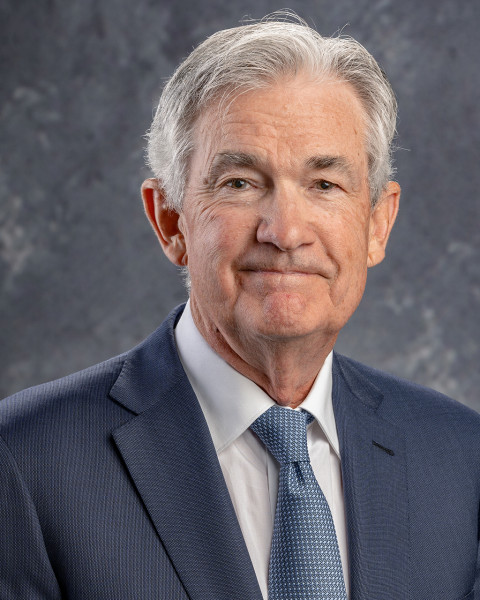
The tension was palpable in the cramped press room at the Federal Reserve building, the air thick with the weight of a nation’s economic fate. The clock ticked toward 2:00 PM, the moment when Federal Reserve Chair Jerome Powell would deliver his latest update on interest rates and economic projections. However, all eyes were on the ongoing drama between Powell and President Donald Trump, who had been publicly criticizing Powell for months.
The Uneasy Relationship between Trump and Powell
The relationship between President Trump and Federal Reserve Chair Jerome Powell has been tumultuous from the start, marked by public feuds and stark disagreements. Trump, who has openly criticized Powell for resisting his demands to sharply cut interest rates, has even gone so far as to suggest he might fire Powell if he does not step aside when his term expires.
This conflict escalated when the Justice Department launched a criminal investigation into Powell, a move that has been widely interpreted as a political maneuver aimed at pressuring Powell to resign or be replaced. Powell, however, has pledged not to leave until the investigation is resolved, a stance that has further complicated the political landscape.
Public Spat and Political Pressure: The Feud Intensifies
Trump’s discontent with Powell is not just limited to public statements. In a series of tweets and press conferences, Trump has labeled Powell "incompetent" and "crooked." He has gone so far as to accuse him of being a "total and complete moron" for not lowering interest rates. The public feud has added to the complexities of the Federal Reserve’s operations, which have already been fraught with economic challenges and political pressures.
Despite the intense scrutiny, Powell has remained steadfast, maintaining his independence and integrity as the head of the Federal Reserve. "This is not a time for political interference in monetary policy," Powell said in a recent statement.
The Legal Battles and Political Maneuvers
The Justice Department’s probe of Powell has been a significant development in this ongoing saga, serving as a potential catalyst for Trump’s nominee, former Fed Gov. Kevin Warsh, to take over. However, a recent court decision has temporarily blocked this investigation, potentially clearing the path for Powell to continue in his role until the legal battle is resolved.
As the legal and political battles continue to unfold, the American public is left to ponder the consequences of such a high-stakes power struggle. "This is not just about one man or one administration," said a senior economist who wished to remain anonymous. "It’s about the independence of the Federal Reserve and the stability of our financial system."
In the close confines of the press room, Powell stood before the microphones, his expression resolved. "The Federal Reserve will continue to act in the best interests of the American people," he declared, his voice steady and confident. As he concluded his remarks, the room erupted in a flurry of questions, each journalist vying for a piece of the story. The tension was palpable, but Powell’s resolve was unshaken. The economic fate of the nation hung in the balance, and the chair of the Federal Reserve was determined to see it through.
"This is a pivotal moment for the Federal Reserve," said a leading economist. "The outcome of this conflict will shape not only monetary policy but also the very essence of our economic governance."
As the doors closed behind Powell, the room was left in a tense silence, the weight of the ongoing drama hanging in the air. The battle for control of the Federal Reserve had only just begun, and the chair of the Federal Reserve, Jerome Powell, stood at its epicenter.