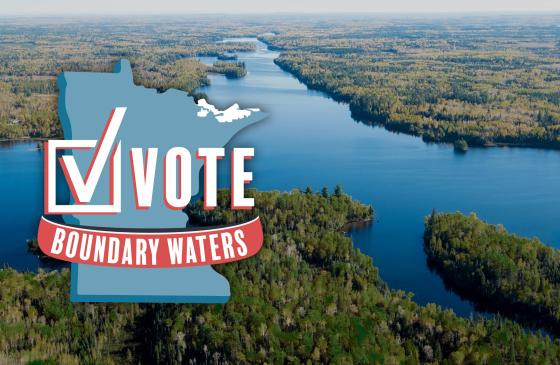
The Senate's vote to end a 20-year ban on mining near the Boundary Waters Canoe Area Wilderness has ignited a firestorm of controversy, pitting environmental advocates against economic development interests in Minnesota.
A Landmark Voting Decision
The Senate's decision, which came after a divisive 50-49 vote, marks a major shift in the protection of one of the most pristine wilderness areas in the United States. The vote essentially overturned a 20-year mineral withdrawal put in place to safeguard 225,378 acres of public lands from toxic mining operations. The Boundary Waters, known for its clear waters and dense forests, is a beloved destination for outdoor enthusiasts and a critical habitat for various wildlife species.
Environmental Concerns and Economic Interests Collide
The vote, which followed a contentious debate, has sparked a fierce backlash from environmental groups and local communities who fear the potential impact of mining on the region’s delicate ecosystem. The Boundary Waters Canoe Area Wilderness is a fragile ecosystem, and the proposed mining operations, particularly sulfide-ore copper-nickel mines, pose a significant threat to its waterways.
"This vote is a betrayal of the American people and our natural heritage," said Senator Tina Smith, a vocal opponent of the mining expansion. "The Boundary Waters are a national treasure, and we have a moral obligation to protect them for future generations."
The vote was hailed by proponents of economic development, who argue that the mining industry could bring much-needed jobs and economic growth to the region. Twin Metals, a company seeking to develop the area, has long advocated for lifting the ban, citing the potential economic benefits for local communities.
"We welcome the Senate’s decision as a step forward for responsible mining in the region," said a spokesperson for Twin Metals. "This move will not only create jobs but also ensure that Minnesota’s natural resources are utilized sustainably."
However, opponents argue that the economic benefits are overshadowed by the environmental risks. The Boundary Waters is one of the country’s most visited wilderness areas, and any contamination could have devastating consequences for tourism and local economies that depend on it.
"This decision will pave the way for mining in the headwaters of the Boundary Waters Canoe Area Wilderness," said Emily Whitten, a local conservationist. "The potential for permanent pollution from toxic mining is real, and it puts at risk one of the most beautiful and pristine areas in the United States."
The Congressional Review Act and Its Implications
The Senate used the Congressional Review Act (CRA) to overturn the mineral withdrawal, a move that has raised eyebrows among legal experts and conservationists. The CRA allows Congress to nullify recent regulatory actions, but its use in this context has been described as a radical expansion of its intended purpose.
"We are seeing a disturbing trend here," said Senator Amy Klobuchar. "The CRA was never meant to be used to overturn well-considered public lands decisions. This sets a dangerous precedent for how our federal lands are managed in the future."
Opponents of the mining expansion also point to the lack of public input and the scientific consensus that supports the need for continued protection of the Boundary Waters. The decision, they argue, undermines a comprehensive and collaborative effort that involved extensive stakeholder engagement and scientific research.
"The Boundary Waters Cannoe Area Wilderness is a national treasure, and it’s sad to see it sacrificed to foreign mining interests," said Representative Betty McCollum. "This vote is a clear example of how political interests can override environmental protections."
“The public fought hard to establish a 225,378-acre mineral withdrawal to protect the Boundary Waters,” said Becky Rom, executive director of Save the Boundary Waters. “The Senate's vote to repeal this protection is a devastating blow to the future of the Boundary Waters."
As the dust settles on this contentious vote, the fight for the future of the Boundary Waters Canoe Area Wilderness is far from over. The Senate's decision to lift the mining ban has set the stage for a protracted battle between environmental advocates and supporters of economic development.
"The Boundary Waters vote has shown us that our natural heritage is under threat," said Senator Al Franken. "But it has also shown us that we have the power to protect it."