801 Chophouse Files for Chapter 11: A Blow to Downtown Dining
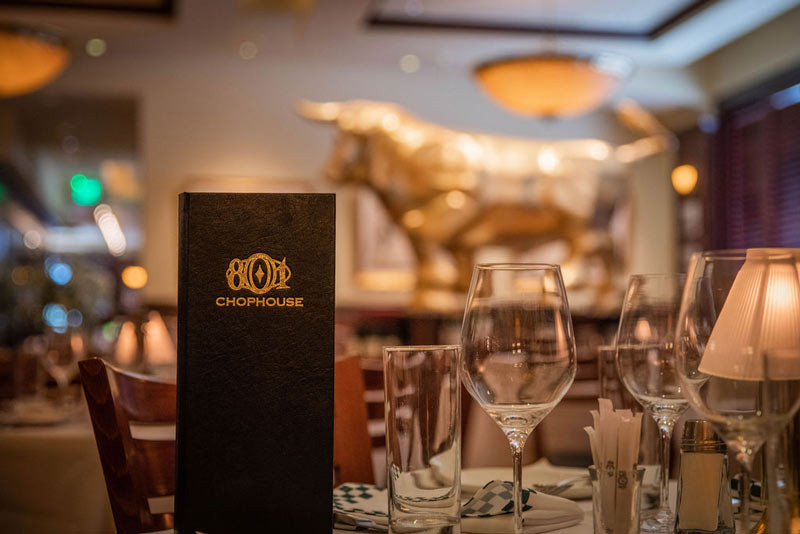
The lights have gone out at 801 Nicollet, and another high-end steakhouse is down. 801 Chophouse, an iconic name in upscale dining, has filed for Chapter 11 bankruptcy, sending shockwaves through the industry. The Des Moines-based 801 Restaurant Group, which operates this chain, has already closed its Minneapolis location, leaving an empty shell in the heart of downtown.
The Perfect Storm: Rising Costs and Changing Tides
Rising costs and shifting customer preferences have created a perfect storm for 801 Chophouse. The average price of steak has surged 16% to $12.73 per pound, while ground beef is now at $6.70 per pound. In the face of soaring beef prices, coupled with fewer office-goers and altered customer habits, the group's debt has ballooned, forcing the company to seek Chapter 11 protection. This move signifies a broader crisis in the industry, where several dining establishments are grappling with financial strain, further exacerbated by a slowdown in office crowds and a shift towards more casual dining options.
What’s Next for 801 Chophouse?
Will a high-end steakhouse stay afloat in today's market? The 801 Chophouse bankruptcy filing serves as a stark reminder of the challenges facing the restaurant industry. Despite the Chapter 11 filing, the company has expressed its intent to remain open and restructure its finances. This could mean scaling down operations, rebranding, or even pivoting to a new business model. As of now, the flagship restaurant in Des Moines remains operational, but the future of other locations hangs in the balance.
The bankruptcy filing "is not a death sentence for the company, but a strategic move to re-evaluate and adapt to the changing market landscape." - Industry Analyst.
The Unseen Challenges in Downtown Dining
But what does this mean for downtown dining? The closure of 801 Nicollet highlights the broader struggles of maintaining a thriving dining scene in urban centers. The absence of office workers, a key demographic for high-end restaurants, has left a void that is proving difficult to fill. As 801 Chophouse navigates its restructuring, the industry must grapple with the question of how to attract customers back to downtown areas. Will the restaurant scene adapt to new economic realities, or will it continue to feel the pinch?
In this shifting landscape, the impact of 801 Chophouse's Chapter 11 filing ripples beyond its own doors. It's a wake-up call for the industry, a signal that even well-established names aren't immune to the pressures of rising costs and changing customer habits. As the company navigates its restructuring, the future of downtown dining hangs in the balance. But perhaps, in the aftermath of this storm, a new chapter for 801 Chophouse will emerge, one that's more resilient and better equipped to weather the challenges ahead. But are we ready for the next course of action?
How does this story make you feel?
 Up next · BusinessSpirit Airlines Liquidation: Turbulence Ahead for the Budget Airline