The USS Dwight D. Eisenhower: A Behemoth of the Seas
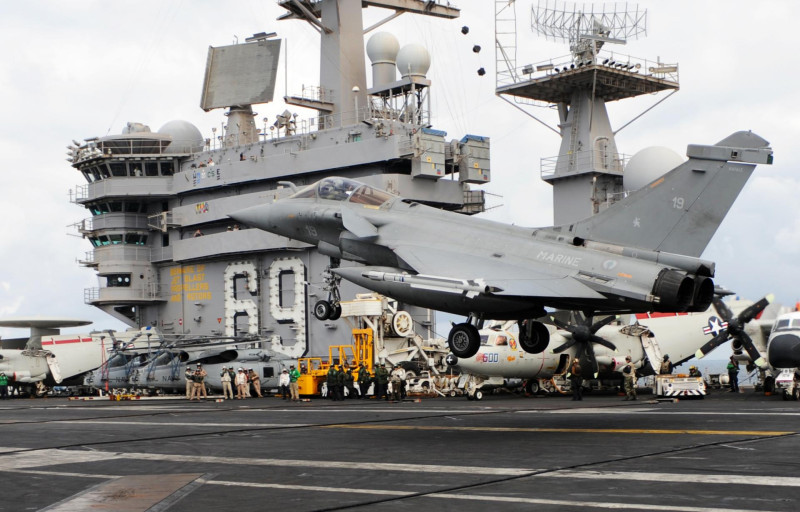
Imagine an object the size of a small city, floating on the ocean, capable of carrying a small air force, and bristling with the latest in military technology, where does it belong? On the list of the most impressive feats of human engineering. The USSDwight D. Eisenhower is the second of the Nimitz-class aircraft carriers in the United States Navy, a class that has long been the backbone of the Navy’s global reach and power.
The Name and Early Years of the USS Dwight D. Eisenhower
The USS Dwight D. Eisenhower is named after the 34th President of the United States and General of the Army, Dwight D. Eisenhower. Commissioned in 1977, the ship has been a cornerstone of the U.S. Navy’s operational capabilities, participating in numerous missions and conflicts. It’s the second of ten Nimitz-class aircraft carriers, a class known for its nuclear-powered propulsion and massive size
Construction of the USS Dwight D. Eisenhower began in 1970, and the ship was officially named USS Dwight D. Eisenhower (CVN-69) in 1975. The ship was commissioned in Newport News, Virginia, on October 18, 1977, marking a significant milestone in the Navy's fleet.
A Nimitz-class carrier like the USS Dwight D. Eisenhower is a technological marvel. Powered by two nuclear reactors, it can operate for decades without refueling, making it an ideal platform for sustained operations in distant waters.
The carrier's design incorporates advanced stealth and defensive systems, and it carries a complement of over 90 aircraft, including fighters, bombers, and helicopters. This versatility allows the USS Eisenhower to project power across the globe, from humanitarian missions to combat operations. For instance, the USS Dwight D. Eisenhower played a crucial role in the Iran Hostage Crisis, demonstrating its operational readiness and strategic importance.
Throughout its service, the USS Dwight D. Eisenhower has undergone numerous upgrades and modifications. These updates ensure that the ship remains at the cutting edge of naval technology, capable of adapting to new threats and operational requirements. In 2026, the USS Eisenhower remains in active service, with plans to continue its operations well into the future.
Historical Milestones and Operational Highlights
The USS Dwight D. Eisenhower has a storied history, marked by significant operations and milestones. The ship’s first deployment was in 1978, when it was sent to the Mediterranean Sea as part of the Atlantic Fleet. Since then, the Eisenhower has participated in a multitude of missions, including the Iran Hostage Crisis in 1979, the Gulf War in 1990, and various humanitarian and peacekeeping operations.
One of the most notable incidents involving the USS Dwight D. Eisenhower occurred in 1991 when it suffered damage to its starboard side. This incident highlighted the ship’s durability and the Navy’s ability to repair and refit the carrier quickly, ensuring it remained operational.
In 2004, the USS Eisenhower underwent a major refueling and complex overhaul (RCOH) which ensured the nuclear reactors were capable of running for 25 more years. This overhaul was a significant undertaking, involving the replacement of key components and extensive testing to ensure the ship’s continued operational readiness.
In 2026, the USS Dwight D. Eisenhower is still a formidable presence in the U.S. Navy fleet, proving its resilience and adaptability. The ship’s ability to operate independently for extended periods and its robust defensive capabilities make it a key asset in global operations.
In addition to its operational capabilities, the USS Eisenhower’s cultural significance cannot be overlooked. The ship is not just a military asset but a symbol of U.S. military strength and technological prowess. Its name, honoring a storied military leader and president, underscores its importance in the annals of American history.
The USS Dwight D. Eisenhower’s operational lifespan, though impressive, was originally slated to end in 2026, as it was among the oldest carriers in the fleet. However, plans to decommission it have been put off. The Navy now aims to keep the carrier in service through the end of the decade, ensuring it remains a vital component of the fleet.
As an expert from Military Factory Online explained, “The USS Dwight D. Eisenhower is a testament to the enduring power of American naval engineering. Its longevity and versatility make it a cornerstone of the U.S. Navy’s operational strategy.”
How much longer will the Eisenhower continue to sail the seas, a floating city of steel and power, a testament to human ingenuity and military might, or will it be laid to rest in a watery grave?
How does this story make you feel?
 Up next · WorldUnraveling the Husband, Father, Killer: The Alyssa Pladl Story Netflix Sensation