Netflix's Reed Hastings Exits, Leaving a Legacy and a Stark Future
Reed Hastings, the co-founder and former CEO of Netflix, announced his departure from the company's board.
Reed Hastings: A Pioneer Leaving the Streaming Stage
Reed Hastings is stepping down from Netflix's board, marking the end of an era for the company he co-founded 29 years ago. Hastings' decision to step down comes as Netflix prepares to navigate a rapidly evolving media and entertainment industry, one that he helped define, and as it grapples with the post-pandemic landscape and the rise of competitors.
Hastings co-founded Netflix in 1997 and transformed it from a mail-order DVD rental service to a global streaming powerhouse.
“Reed Hastings has been a visionary leader and his impact on Netflix and the entertainment industry as a whole cannot be overstated. His contributions have shaped the way we consume content today. We wish him all the best in his future endeavors,” a Netflix spokesperson said on April 16, 2026 in a statement.
Hastings' legacy at Netflix is marked by several key milestones. He led the company through its transition from a DVD rental service to a streaming platform, a move that revolutionized the entertainment industry. Under his leadership, Netflix also ventured into original content production, launching critically acclaimed shows and movies that have become cultural phenomena.
Earnings, Price, and the Future of Netflix
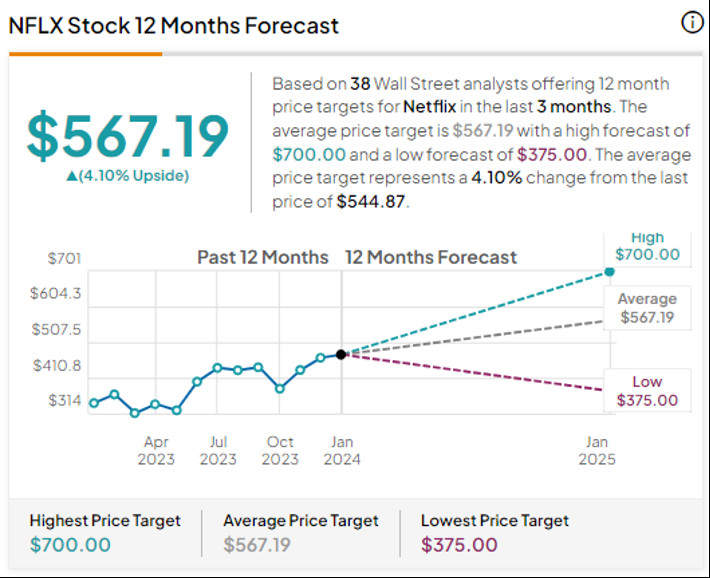
Netflix's Q1 2026 earnings were a mixed bag. The company reported a modest bump in revenue, up 16% to $12.25 billion, driven by its crackdown on password sharing, the expansion of its advertising business, and price increases. However, the company's forecast for the second quarter fell short of analysts' expectations, sending its shares down over 9% in extended trading.
The company's stock dropped 9% after hours despite beating Q1 earnings as Reed Hastings announced his exit, investors citing weak guidance and outlook as weighing on sentiment despite the strong first-quarter revenue and earnings.
Netflix is focusing on growth via ads, live content, and price hikes, as it faces increasing competition in the streaming space.
The Outlook for Netflix and Its Competitors
Netflix's future will be shaped by its ability to innovate and adapt to a rapidly changing market. The company's strategic focus on ads, live content, and price increases indicates a proactive approach to maintaining its competitive edge. As competitors like Amazon Prime Video, Disney+, and HBO Max continue to gain traction, Netflix will need to leverage its content library, technological prowess, and subscriber base to stay ahead.
Hastings' departure leaves a void that will need to be filled by new leadership, and investors will be watching closely to see how the company navigates this transition.
Netflix is scheduled to report first-quarter financial results, with analysts expecting adjusted earnings of $76, capitalizing on new revenue streams and content offerings.
The next earnings report, due on April 25, 2026, will be a critical indicator of Netflix's post-Hastings strategy and its ability to navigate the challenges ahead. Hastings' departure and the company's mixed earnings performance have set the stage for a pivotal moment in Netflix's history.
The next earnings report, due on April 25, 2026, will be a critical indicator of Netflix's post-Hastings strategy and its ability to navigate the challenges ahead.
How does this story make you feel?
 Up next · EntertainmentNorthernlion Supercruise Cancellation Shocks Fanbase