Hurricane Imelda pounds Bermuda, rip currents close Florida beaches
Hurricane Imelda, a Category 2 storm with 100‑mph winds, battered Bermuda with heavy rain and surf while its outer bands forced beach closures and rip‑current warnings along Florida’s Atlantic coast.

Key points
- Imelda reached Category 2 with sustained 100‑mph winds as it passed north of Bermuda.
- Bermuda recorded up to 6 inches of rain, power outages and surf as high as 20 feet.
- Volusia County beaches in Florida were closed due to rough surf and rip‑current alerts.
- Orlando stayed mostly dry with temperatures near 82°F and only a slight chance of showers.
- The storm follows Hurricane Humberto, which recently affected the region.
As Hurricane Imelda barreled toward Bermuda early Thursday, the British territory hunkered down under a hurricane warning, bracing for what forecasters called a direct hit. The storm, now a Category 2 with sustained winds of 100 mph, churned through the Atlantic, its core expected to pass just north of the island around dawn. Heavy rainfall lashed the landscape, with up to 6 inches predicted in some areas, while gusts whipped up to 110 mph threatened power lines and coastal structures. Indeed, scattered outages were already reported by midnight, and officials urged residents to stay indoors as the worst unfolded.
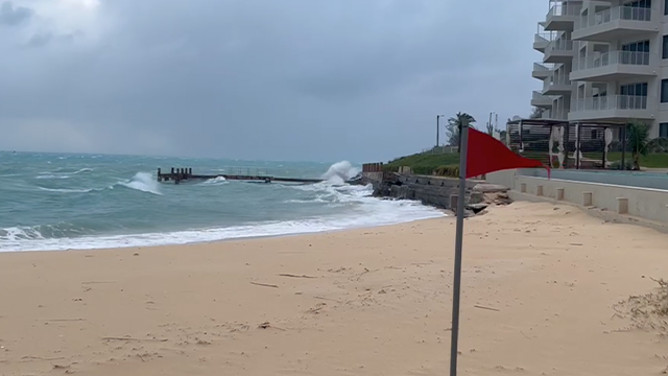
Bermuda's Weather Service painted a grim picture: deteriorating conditions through the night, including thunderstorms and dangerous surf that could swell to 20 feet. This comes just days after Hurricane Humberto grazed the island, leaving it vulnerable to back-to-back assaults from the Atlantic's fury. Moreover, the government's emergency teams mobilized quickly, but the island's small size—only 21 square miles—meant little room for error. Flooding in low-lying spots seemed inevitable, with rip currents posing a lethal risk even after the eye passed.
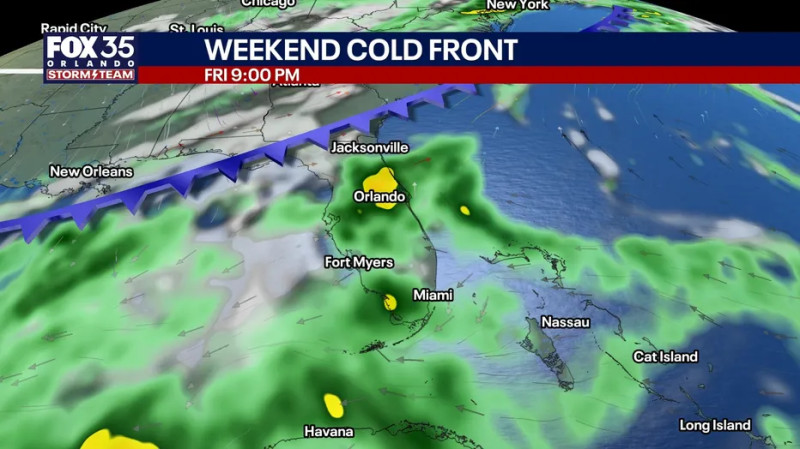
Farther west, the ripple effects reached Florida's coast, including Orlando's nearby beaches. While the city itself dodged direct impacts, high surf from Imelda's outer bands stirred up rough waters along the Atlantic side, closing several Volusia County beaches and prompting warnings for swimmers. Orlando's weather stayed mostly dry under partly cloudy skies, with temperatures hovering around 82 degrees Fahrenheit and a slight chance of afternoon showers—nothing like the chaos offshore. However, beach erosion and minor coastal flooding echoed the broader East Coast concerns, where similar swells from Humberto had already toppled homes in North Carolina.
Imelda's path highlighted the season's relentless pace, with no immediate threats to the U.S. mainland but plenty of disruption in its wake. As cleanup begins in Bermuda and vigilance continues along Florida's shores, one wonders how much more the region can take before the hurricane season winds down.
Your questions, answered
What wind speed did Hurricane Imelda have when it hit Bermuda?
The storm had sustained winds of about 100 miles per hour as it passed north of Bermuda.
Why were Florida beaches closed during Imelda?
Rough surf and dangerous rip currents from the storm’s outer bands prompted closures of several Volusia County beaches.
Did Orlando experience any severe weather from Imelda?
Orlando remained mostly dry with partly cloudy skies and temperatures around 82°F, without significant rain or wind.
Quick poll
How concerned are you about hurricane‑related beach hazards in Florida this season?
0 votes
How does this story make you feel?
Topics
 Up nextHurricane Imelda slams Bermuda with 100‑mph winds