The State of Housing Prices in 2026: Trends and Predictions

The housing market in 2026 is showing signs of stabilization after a tumultuous period of price surges. According to U.S. News Real Estate, the next five years are expected to see more sales activity, but with flatter price increases. This shift comes as a welcome relief to many homebuyers who have been priced out of the market in recent years, but it also poses challenges for investors and real estate professionals.
Current Housing Price Trends in 2026
Global house prices are experiencing a mixed bag of trends. In some regions, prices have flattened or even decreased slightly, while in others, they continue to rise. According to the Global House Price Index, nominal house price changes over the past year have varied widely across countries. For example, in the United States, home prices have seen modest increases, while in countries like Japan, prices have remained relatively stagnant.
Median home prices in the U.S. are hovering around 370,000 USD, marking a slight increase from previous years. This trend is influenced by a variety of factors, including inflation, interest rates, and demographic shifts. In cities like San Francisco and New York, home prices remain at record highs, driven by high demand and limited supply.
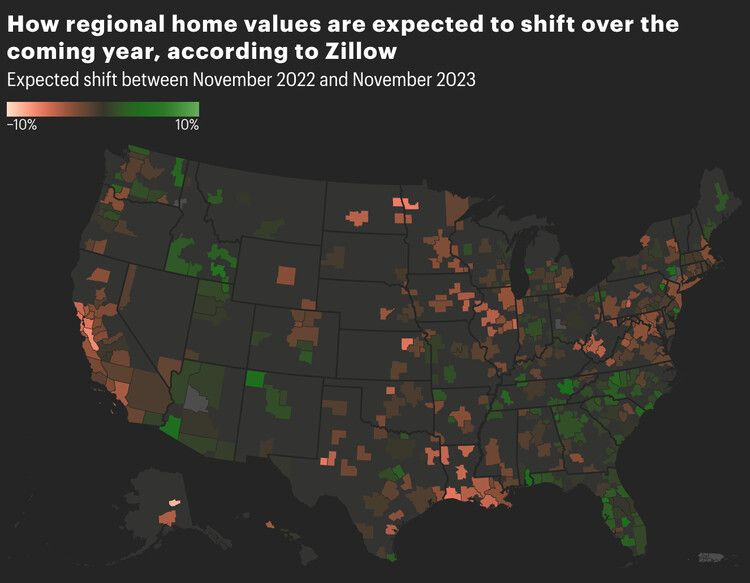
In contrast, markets like Detroit and Cleveland are seeing more modest price increases, reflecting lower demand and higher inventory levels. These regional disparities highlight the importance of local market analysis for both buyers and sellers.
The Global Perspective on Housing Prices
Globally, housing prices have been influenced by a range of economic factors, including interest rates, inflation, and geopolitical instability. According to the Global Housing Watch by the International Monetary Fund (IMF), house price-to-rent and house-price-to-income ratios are key metrics for assessing market valuation. In countries with high ratios, such as Canada and Australia, there is a greater risk of market correction, while in countries with lower ratios, such as Germany and Sweden, the market appears more stable.
In Europe, housing prices have shown varying trends. Countries like Sweden and the Netherlands have seen significant increases, driven by strong economic growth and rising demand. However, other countries, such as Spain and Greece, have experienced price drops due to economic challenges and political instability.
In Asia, markets like Singapore and Hong Kong continue to see high demand and rising prices, while in Japan, prices have remained relatively flat. Economic policies, such as interest rate adjustments and government incentives, play a crucial role in shaping these trends.
Future Outlook for Housing Prices
Looking ahead, the housing market is expected to see more balanced growth, with prices increasing at a slower pace. According to U.S. News Real Estate, the market will likely stabilize with more moderate price appreciation and increased sales activity, particularly in the mid-range market segments.
Real estate professionals are predicting that the market will shift towards a buyer's market, where buyers have more negotiating power and can expect more favorable terms. This is due to factors like increased inventory, lower demand, and higher interest rates.
“The market is moving towards a more balanced state, where buyers will have more options and better negotiating power. We expect to see more moderate price appreciation and increased sales activity, particularly in the mid-range market segments.”—U.S. News Real Estate.
However, experts caution that local market conditions will continue to vary widely, and buyers and sellers should rely on detailed, up-to-date data to make informed decisions. Tools like Reventure App's interactive housing market map provide real-time data on home prices, inventory, and market trends, making it easier for consumers to navigate the complexities of the housing market.
Housing prices in 2026 are poised for a period of stabilization and more moderate growth, offering opportunities for both buyers and sellers. As the market continues to evolve, staying informed with the latest data and trends will be crucial for making smart real estate decisions. The next milestone to watch is the Federal Reserve's interest rate decision in June, which could significantly impact housing prices and market activity. This decision will set the stage for the remainder of the year, influencing everything from mortgage rates to consumer confidence.
How does this story make you feel?
 Up next · BusinessUnraveling the Disruption: MSNOW’s Impact on Shipping Giants FedEx and UPS