Georgia Fires: A Burning Crisis Across the Peach State
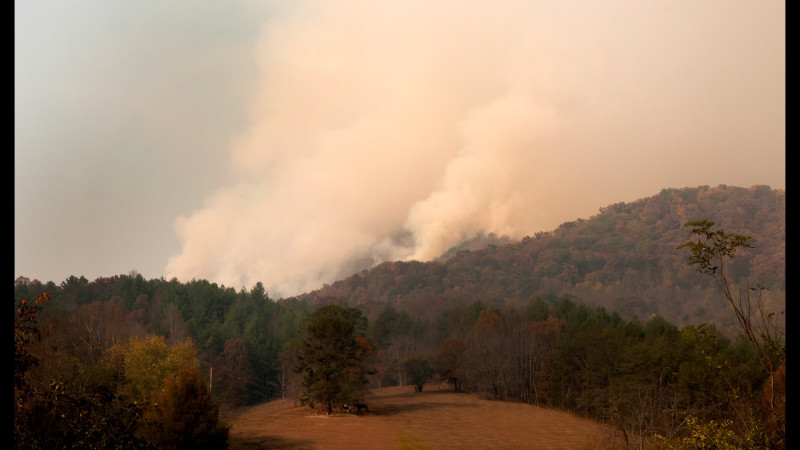
The Georgia fires, a wildfire crisis that has engulfed the state, are a stark reminder of nature's raw power and the precarious balance of human intervention. The Georgia fires have grown from isolated incidents to a full-blown emergency, leaving a trail of destruction and displacement in their wake.
Fire Conditions and Containment Efforts
The Georgia fires have become a major environmental challenge. The Georgia Forestry Commission reported 34 new wildfires burning 75 acres statewide. This does not include the Pineland Rd Fire, now estimated at 29,606 acres and remains 10% contained, or the Highway 82 Fire in Brantley County, now estimated at 4,438 acres and remains 15% contained.
With ongoing drought conditions and no significant rainfall in sight, wildfire activity remains high. As firefighters battle the flames, locals have been forced to evacuate, roads have been closed, and homes have been destroyed. The Georgia Forestry Commission has issued an unprecedented burn ban covering 91 counties, as fires continue to spread rapidly and strain emergency resources.
The Georgia Forestry Commission and other relevant state agencies have been mobilized to assist with active response efforts in the southern region of the state. The Georgia Emergency Management & Homeland Security Agency has also activated the GA Fire Conditions GA Forestry Commission Wildfire Dashboard to provide current updates on fire conditions and containment efforts.
Impact on Communities and Infrastructure
Wildfires in southern Georgia have caused significant damage and displacement. Dozens of homes have been destroyed, and hundreds of evacuations have been ordered. The fires have also resulted in road closures and other infrastructure disruptions. The wildfires have forced residents to flee their homes, leaving behind cherished memories and possessions. Schools and businesses have been shut down, and essential services have been disrupted.
The fires have also had a significant impact on the environment. The wildfires have destroyed forests and wildlife habitats, and the smoke has created hazardous air quality conditions. The smoke from the fires has even reached Atlanta, creating a haze that has affected the city's air quality.
The Georgia Forestry Commission and other relevant state agencies have been working to protect communities and infrastructure from the wildfires. The Georgia Forestry Commission has issued an unprecedented burn ban covering 91 counties, as fires continue to spread rapidly and strain emergency resources. The Georgia Emergency Management & Homeland Security Agency has also activated the GA Fire Conditions GA Forestry Commission Wildfire Dashboard to provide current updates on fire conditions and containment efforts.
The ongoing fires in Georgia are a stark reminder of the power of nature and the importance of being prepared. The georgia fires have caused significant damage and displacement, and the impact on communities and infrastructure has been severe. As the state continues to battle the wildfires, it is essential to support the efforts of the Georgia Forestry Commission and other relevant state agencies. The Georgia fires are a test of the state's resilience and preparedness, and the outcome will be a testament to the power of community and cooperation.
Emergency management officials have been working tirelessly to coordinate response efforts, but the scale of the wildfires presents unprecedented challenges. As the fires continue to rage, the question remains: how will Georgia rise from the ashes?
How does this story make you feel?
 Up next · WorldMall of Louisiana: Unraveling the Latest Security Concerns and Challenges