Jaylen Waddle's Trade to Broncos: A Game-Changer
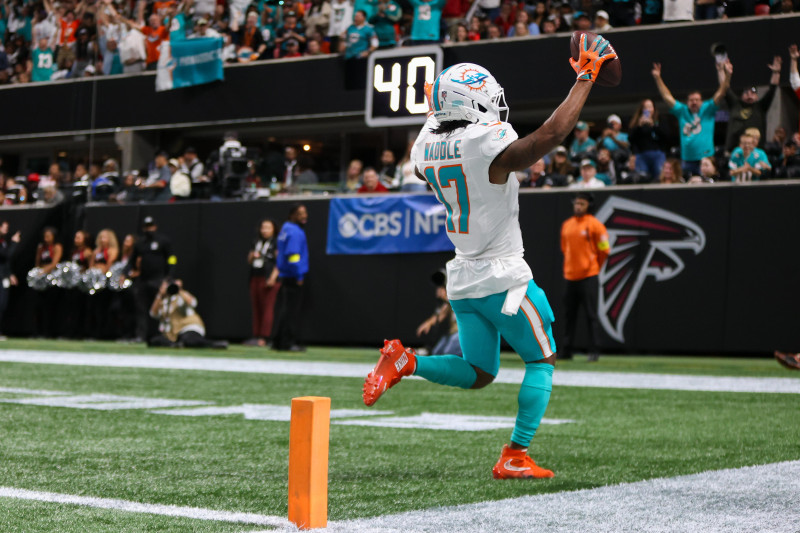
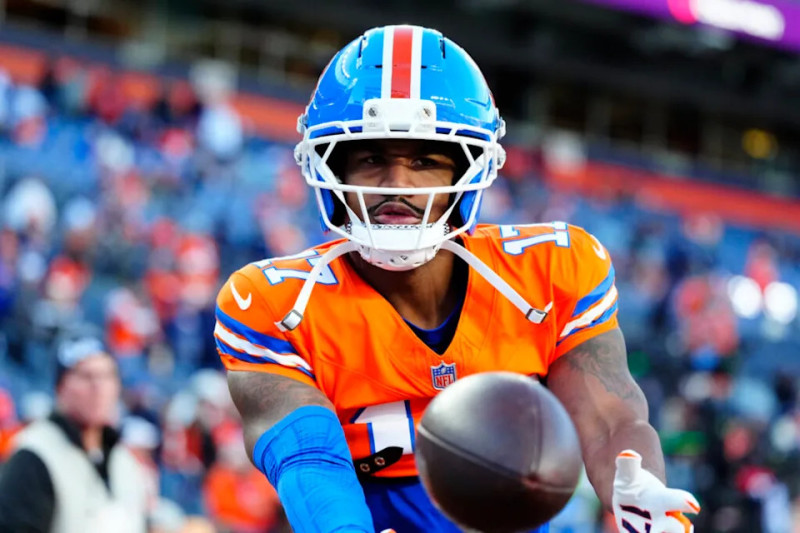
Veteran wide receiver, Jaylen Waddle, is now a Denver Bronco. The acquisition has redefined the team’s strategic landscape, especially on the eve of the 2026 NFL Draft. It marks a pivotal shift for the team, as they have traded their 2026 first-round draft pick to the Dolphins for the speedy wide receiver
The Jaylen Waddle Trade: A Detailed Breakdown
In a move that has sent shockwaves through the NFL, the Denver Broncos acquired Jaylen Waddle from the Miami Dolphins. The trade, which involved sending their 2026 first-round pick, along with third- and fourth-round picks to the Dolphins, showcases the Broncos’ commitment to bolstering their roster with a proven playmaker. Jaylen Waddle, with 373 career receptions for over 5,000 yards, brings a wealth of experience and a dynamic presence to the Broncos' receiver corps.
Denver's decision to forgo their first-round pick in the 2026 NFL Draft was not made lightly. The Broncos believe that Jaylen Waddle's impact on the field will outweigh the potential benefits of drafting two rookies in the 2026 NFL Draft.
Gone are the days of hoping for the next big thing to emerge from the draft. Instead, the Broncos are betting on the immediate and proven talent of Jaylen Waddle to elevate their offense and position them as serious contenders in the upcoming season. Nobody saw this coming.
Broncos Draft Strategy: The New Reality
The absence of a first-round draft pick in 2026 means the Broncos will have to get creative with their remaining selections. With seven picks in total, the Broncos will be focusing on adding depth and versatility to their roster.
The Broncos’ draft strategy has been retooled. Instead of relying on first-round rookies to fill critical positions, the team intends to use their remaining picks to bolster their roster with quality depth. The Broncos are now looking to find players who can contribute immediately to a Super Bowl-caliber roster.
As the draft approaches, the Broncos’ focus has shifted. They have moved from a strategy of building through the draft to one of enhancing their team with a proven winner. The Broncos believe that Jaylen Waddle’s presence will provide the leadership and playmaking ability necessary to challenge for the Super Bowl.
Why Jaylen Waddle? The Strategic Move
Jaylen Waddle’s acquisition is a strategic move that addresses multiple needs for the Broncos. His speed and precision on the field make him an ideal fit for Denver's high-octane offense. But it’s not just about his on-field prowess; Waddle’s arrival also signifies a shift in the team's long-term planning. The Broncos are making a bold statement with this trade: they are prioritizing immediate impact over long-term potential.
Think again about what this means for the Broncos. Instead of investing in unproven talent, they are choosing to invest in a player who has already proven his worth on the field.
How did the Broncos justify forgoing their first-round pick? For one, the Broncos are banking on Jaylen Waddle to elevate their offense. His speed and finesse make him a vital addition to a team aiming for the Super Bowl.
A football team is only as good as its players. Jaylen Waddle's acquisition is a testament to the Broncos' strategy of getting immediate impact players. This move underscores their commitment to winning now, not later.
What will the Broncos do with their remaining picks? They are focusing on depth and versatility. With a solid core already in place, the Broncos will likely target players who can contribute immediately to their Super Bowl-caliber roster.
The Broncos’ decision to trade for Jaylen Waddle proves that they are serious about winning now. Their draft strategy has shifted from long-term potential to immediate impact. This move will have lasting implications for the team, as they prepare to compete at the highest level.
But the question remains: Will the Broncos’ gamble pay off? Can Jaylen Waddle's impact on the field justify the high cost of forgoing their first-round pick? Will this bold move propel the Broncos to new heights, or will it leave them with regrets in the long run?
How does this story make you feel?
 Up next · SportsMinnesota Twins' Rise and Mets' Recent Injury Woes