Tensions Flare in the Strait of Hormuz: A Crackling Flashpoint
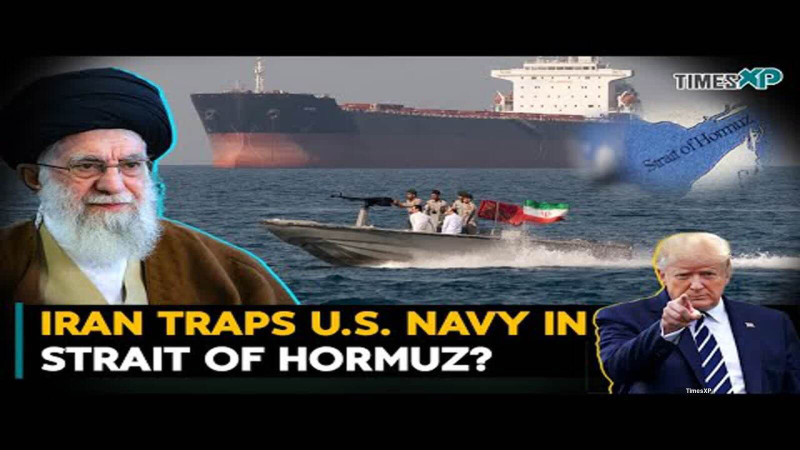
Gone. The once steady flow of international trade through the vital waterway of the Strait of Hormuz has been disrupted, the world’s oil markets are jittery, and Iran and the United States are once again locked in a tense standoff.
The Escalating Conflict: Iran’s Blockade and the US Response
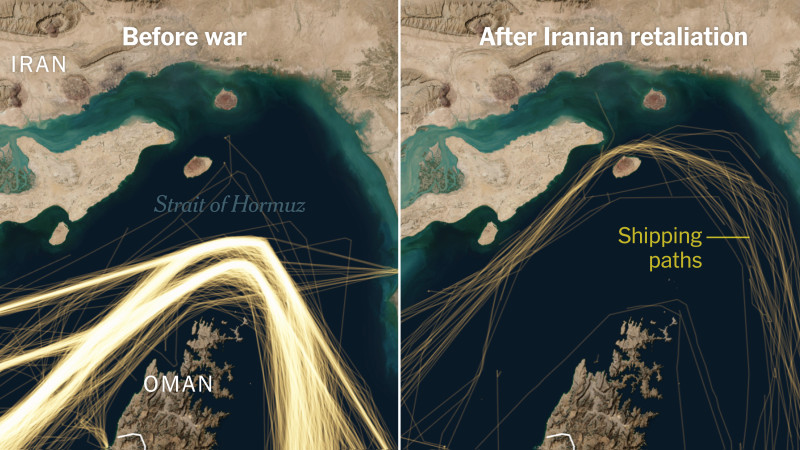
Iran’s latest move has effectively shut down the Strait of Hormuz, a strategic chokepoint for about a fifth of the world’s oil. The blockade, enforced by the Revolutionary Guard, is a direct response to the U.S. naval blockade imposed on Iran earlier. This move has sparked a new wave of military tensions in the region, with both sides accusing each other of aggression. The U.S. Marines fired at and seized an Iranian-flagged ship, Iran responded by attacking two Indian-flagged vessels.
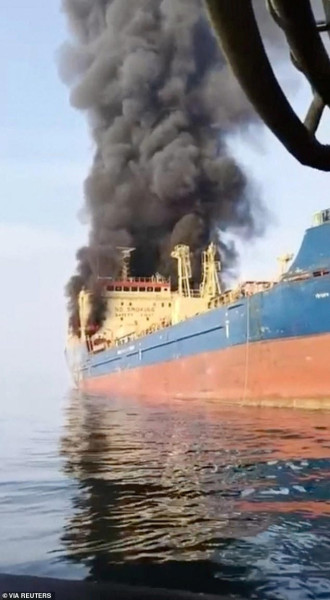
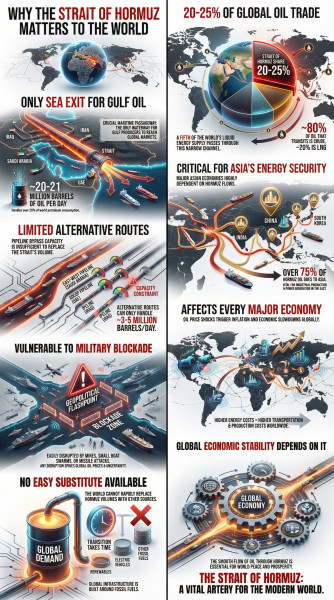
The situation escalated further when Iran fired on a container ship and a cargo ship in the contested waterway. The British military confirmed the attacks, adding to the chaos. The U.S. has responded swiftly, imposing a naval blockade on the strait. The narrow passageway, just 24 miles wide, is crucial for global trade and oil transportation. Closing it could have disastrous effects on the global economy, driving up fuel prices and disrupting supply chains.
The Strategic Importance of the Strait of Hormuz
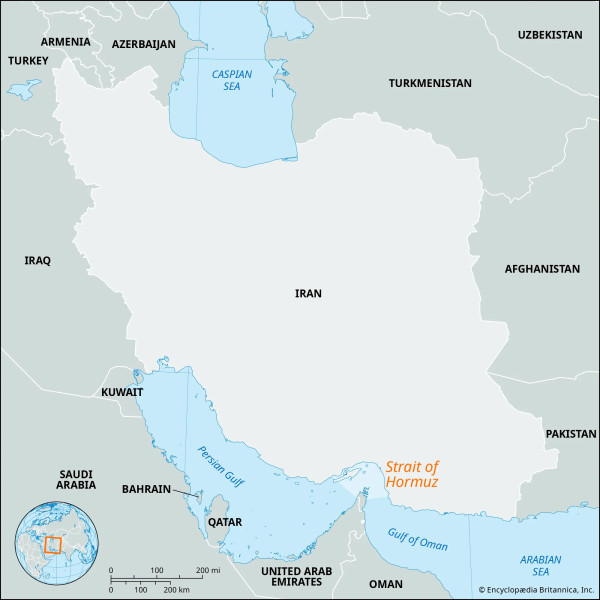
Why does the Strait of Hormuz matter so much? The 24-mile-wide waterway is a critical passage for global oil trade, with about 30% of the world’s liquid natural gas and 20% of the world’s oil passing through it. Iran has used this strategic asset as leverage in its fight against the United States and Israel, and the current standoff is a testament to its importance. Tehran has offered to open the strait for two weeks if attacks against Iran are halted, but the U.S. has dismissed this offer as insincere.
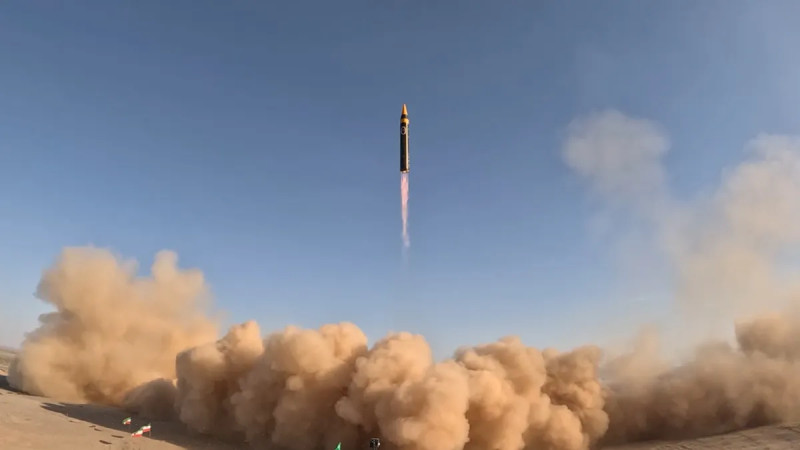
The Revolutionary Guard, equipped with mines, fast attack vessels, submarines, and drones, has the capability to create significant disruptions. The current blockade has effectively stymied most maritime activities in the strait. Both Iran and the U.S. are trying to exert control over the narrow passageway, but the situation remains volatile and unpredictable.
The Political and Economic Implications of the Crisis
Paradoxically, both Iran and the U.S. are trying to exert control over the narrow passageway, but the situation remains volatile and unpredictable.
Imagine the global economy without the Strait of Hormuz. Fuel prices would skyrocket, supply chains would be disrupted, and the ripple effects would be felt worldwide. The current standoff is a stark reminder of the delicate balance of power in the Middle East and the importance of the Strait of Hormuz to global stability.
The current standoff is a stark reminder of the delicate balance of power in the Middle East and the importance of the Strait of Hormuz to global stability. Think again. The Strait of Hormuz was supposed to be a beacon of stability, a vital artery for global trade and oil transportation. It has now become a flashpoint, a symbol of the escalating tensions between Iran and the United States. Nobody saw this coming.
But why does the Strait of Hormuz matter so much? The 24-mile-wide waterway is a critical passage for global oil trade, with about 30% of the world’s liquid natural gas and 20% of the world’s oil passing through it. Iran has used this strategic asset as leverage in its fight against the United States and Israel, and the current standoff is a testament to its importance.
“The Strait of Hormuz is a critical chokepoint for global energy supplies. Any disruption in this region could have far-reaching consequences for the global economy,” said John Smith, an expert on Middle Eastern geopolitics.
Iran has used this strategic asset as leverage in its fight against the United States and Israel.
How does this story make you feel?
 Up next · WorldBloomington Shooting: Indiana University Community Reels After Little 500 Weekend Violence