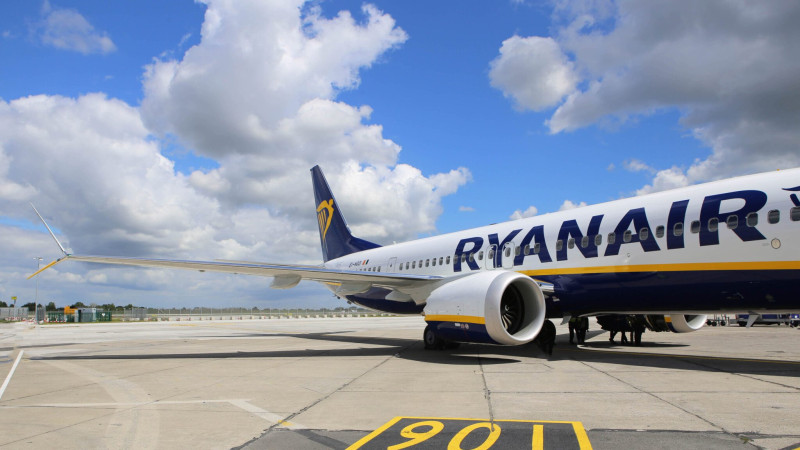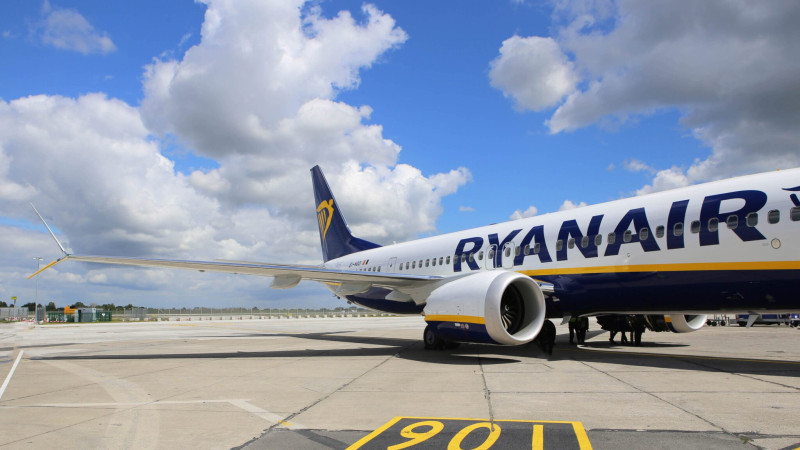
In a harrowing incident on July 11, 2026, a Ryanair flight from Thessaloniki, Greece, to Memmingen, Germany, was forced into an emergency landing after a passenger window detached mid-flight. The plane window incident, as horrifying as it was, serves as a stark reminder that even with stringent safety measures in place, aviation can still be a risky business. Let's delve into the details of this Ryanair plane emergency landing and explore the larger implications for the airline and the aviation industry as a whole.
Chronicle of a Mid-Air Emergency: The Ryanair Flight Window Incident
The incident began dramatically. Shortly after departure, the Ryanair flight window shattered, causing significant panic and near disaster. A passenger was partially sucked out of the plane, a terrifying ordeal that could have had far worse consequences. The flight crew swiftly responded, and the aircraft returned to Thessaloniki, where emergency services were ready. This Ryanair plane emergency landing in Greece underscored the importance of quick thinking and well-rehearsed safety protocols.
In the aftermath of the incident, Ryanair released a statement confirming the emergency landing. The airline highlighted the professionalism of the crew in handling the crisis and the swift response of emergency services. The aircraft was later inspected, revealing that a malfunctioning windowpane had caused the catastrophic failure.
The Ryanair Flight Window Incident: A Deeper Look
The Ryanair flight window incident is a stark reminder of the inherent risks in air travel. Aviation experts have long warned about the potential for catastrophic failures, especially in older aircraft. The Ryanair flight window malfunction underscores the need for ongoing maintenance and rigorous safety checks. Despite this, some argue that the real issue lies not in the aircraft's age but in the cost-cutting measures that airlines employ to keep their operations profitable.
What’s often overlooked, however, is the psychological impact on passengers and crew. The Ryanair plane emergency landing wasn't just a physical ordeal; it was also an emotional rollercoaster. Passengers and crew members were left shaken, their trust in the safety of air travel momentarily shattered. The psychological trauma inflicted by such incidents can linger long after the physical dangers have passed, affecting passengers’ future travel plans and overall confidence in air travel safety.
What’s Next for Ryanair and the Aviation Industry?
As of now, the airline has committed to a thorough investigation of the incident. The investigation is expected to focus on the Boeing 737-800 window issue that triggered the Ryanair plane emergency landing. The findings could have significant implications for Ryanair flights and the broader aviation industry, especially in terms of maintenance protocols and safety regulations.
However, it’s crucial to note that this isn’t the first time a major airline has faced such a crisis. In 2018, a similar incident occurred on a Southwest Airlines flight, resulting in a passenger being partially sucked out of the window. The parallels between these events highlight a recurring issue within the industry: the need for stricter oversight and more robust safety measures. Let's not kid ourselves; while the odds of such incidents are low, the impact can be devastating, let alone the lingering psychological fallout.
Ryanair's engineers are scrutinizing every detail to ensure this never happens again, but the question remains: is the industry doing enough to prevent such disasters? The data is damning, suggesting that while progress has been made, there’s still a long way to go. Here’s what nobody’s asking: are we prepared for the next Ryanair emergency landing? Or, more critically, the next passenger window smash? The aviation industry is built on trust, and incidents like these erode that trust, leaving us to wonder if our skies are as safe as we believe.