In the annals of the Wimbledon Championships, few matches have captured the world’s imagination quite like the 2026 men’s final. The clash between Jannik Sinner and Alexander Zverev was more than a tennis match. It was a high-stakes battle between two titans, each vying for the coveted Wimbledon trophy. The result? A triumphant victory for Sinner that underlined his dominance in the sport. Let's dive into the unforgettable moments and strategic brilliance that defined this epic encounter.
The Road to the Final: A Tale of Two Players
The journey to the 2026 Wimbledon final was a rollercoaster for both players, but each brought their unique strengths to the court. Sinner, the defending champion, had faced a challenging season, including a defeat to Novak Djokovic in the Australian Open semi-finals and a loss to Juan Manuel Cerundolo in the Italian Open. Despite these setbacks, Sinner's resilience and determination were palpable, earning him the top seed in the tournament.
On the other hand, Alexander Zverev, the second seed, had been a consistent force, showcasing his prowess with powerful serves and aggressive baseline play. His journey to the final was marked by a series of dominant performances, including a victory over Carlos Alcaraz in the semi-finals, cementing his status as a formidable opponent. Zverev's aggressive style and formidable serve made him a dangerous contender, and many analysts predicted a close match.
The Battle on Centre Court: A Masterclass in Tennis
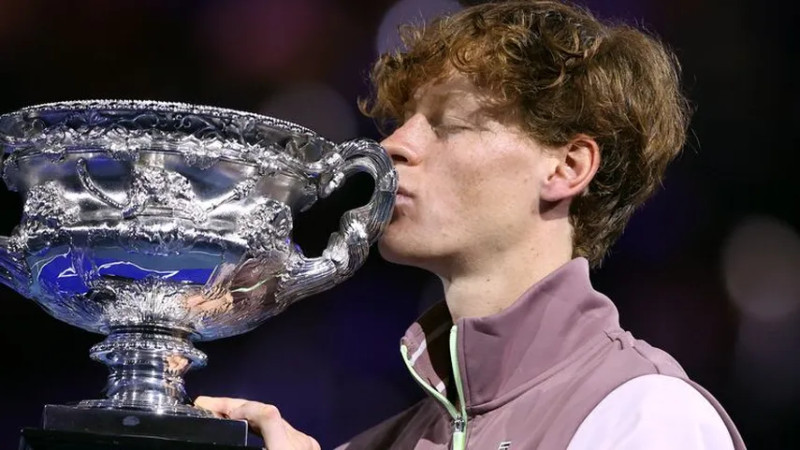
The final match was a spectacle that lived up to its hype. The players traded blows in a grueling contest that lasted over four hours. The first set saw Zverev take an early lead, winning 7-6 (7) in a closely fought tiebreaker. However, the tide turned in the second set as Sinner showcased his mental fortitude, winning the tiebreaker 7-6 (2) to level the match. This shift in momentum highlighted Sinner's ability to adapt and challenge his opponent, a trait that would define the rest of the match. The third and fourth sets were a testament to Sinner's tenacity, as he secured his victory with a 6-3, 6-4 win, earning his second consecutive Wimbledon title and fifth Grand Slam crown.
One of the defining moments of the match was Sinner’s ability to handle pressure. "Jannik Sinner has always had this incredible ability to rise to the occasion when it matters most," said tennis analyst John McEnroe, who witnessed the match live. "His performance today was a masterclass in both strategy and resilience. He made it look effortless, but we know it was anything but.".
“It’s a cliche to say it, but tennis is incredibly mental. When it’s Sinner, it’s a whole other level. He’s the best in the world for a reason, and today he proved it on the biggest stage.”- John McEnroe.
In stark contrast, Zverev faced a different reality. Despite his early dominance, his inability to convert crucial points and maintain his aggressive play cost him dearly. The match underscored the mental and physical demands of a Grand Slam final, where every point counts. Zverev’s performance was a reminder that even the most skilled players can falter under pressure, while Sinner’s victory highlighted his exceptional consistency and adaptability. Let’s not kid ourselves, this wasn’t just a tennis match; it was a psychological battle that Sinner won hands down.
Why Was Carlo Alcaraz Missing from the Final?
The absence of the young prodigy Carlos Alcaraz from the final was a significant talking point. Many had predicted a showdown between Alcaraz and Sinner, given Alcaraz’s meteoric rise in the tennis world. However, his defeat to Zverev in the semi-finals was a surprise to many. It highlighted the unpredictability of tennis, where even the most talented players can be derailed by a combination of luck and skill. This also begs the question: could a different matchup have changed the outcome of the final? Was Alcaraz’s absence a blessing or a curse for Sinner? Only time will tell, but one thing is certain: the absence of Alcaraz from the final changed the dynamics of the tournament.
What’s truly remarkable about this match is that it’s not just a victory for Sinner; it’s a statement about the future of tennis. The Wimbledon final showcased that resilience, adaptability, and mental toughness are the hallmarks of a true champion. With this victory, Sinner has not only secured his place in tennis history but has also set the stage for future battles. For tennis enthusiasts, this match was a masterclass in what makes the sport so thrilling, rewarding, and unpredictable. As tennis fans continue to debate and dissect the match, one thing remains clear: Jannik Sinner is a force to be reckoned with, and his victory at Wimbledon 2026 is a testament to his unyielding spirit and unmatched skill.