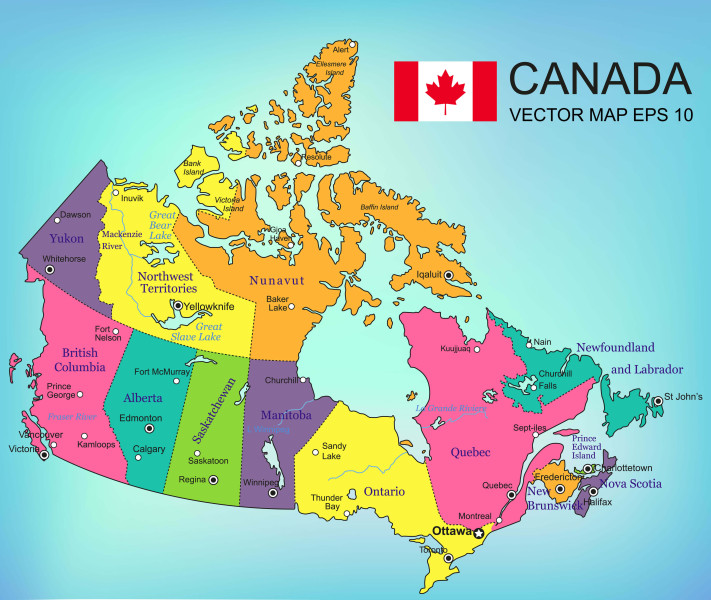
Canada is engulfed in a wildfire crisis in 2026, with wildfires burning across the nation, severely impacting air quality and public health. As of July 15, 2026, roughly 835 active wildfires were burning, with 112 classified as out of control. This has resulted in nearly 1.9 million hectares already burned, with the most significant concentrations of fires in Manitoba, Saskatchewan, and Ontario. The situation is dire, with smoke from these fires creating severe poor air quality across eastern Canada, and Toronto briefly recording some of the worst air quality levels in the world.
Wildfire smoke shrouds eastern Canada: A public health emergency
Wildfire smoke is a significant public health concern. Smoke from wildfires in Canada can travel thousands of kilometers, impacting air quality in both nearby and distant regions. This smoke contains harmful particles and gases that can cause respiratory and cardiovascular issues, exacerbating conditions like asthma and heart disease. Air quality indexes in affected areas have reached hazardous levels, prompting health advisories and warnings to stay indoors.
In a dire situation like this, the air quality index (AQI) provides a crucial measure of the health risks posed by wildfire smoke. The AQI ranges from 0 to 500, with higher values indicating more severe health risks. In places heavily impacted by wildfires, AQI values have soared, prompting health officials to issue warnings to the public.
Smoke from these wildfires has not only affected Canada but has also reached the United States, significantly impacting air quality in major cities like New York.
Canadian wildfires: A look at the 2026 fire season and its impacts
This wildfire season in Canada has been particularly intense, with over 843 active Canadian wildfires across the country by mid-July. The provinces of Alberta, British Columbia, and Saskatchewan have been the hardest hit, with devastating impacts on the environment and local communities.
The wildfires in Canada have been exacerbated by climate change, which has led to hotter, drier conditions and longer fire seasons. This trend is expected to continue, making wildfires an increasingly pressing issue for Canada and its neighboring countries.
As of 2026, the last two years, 2023 and 2024, were the worst on record. The wildfires in Canada have been so severe that they have affected the whole of North America. Smoke from the 2023 wildfires transported southward from Canada in June 2023. Leaving no part of Canada’s population untouched by the smoke.
Some of the wildfires in 2026 have been so intense that they have resulted in fatalities. A firefighter died while battling a wildfire in Annapolis County, Nova Scotia. Another incident involved a plane crash during firefighting operations near Fort Simpson, Northwest Territories, resulting in the deaths of the pilot and two firefighters.
Canadian wildfires: A look at the 2026 fire season and its impacts
As the Canada wildfires of 2026 continue to rage, it’s crucial to consider the broader environmental and economic impacts. The smoke from these wildfires has not only affected air quality but has also caused significant disruptions to daily life, including school closures, travel advisories, and the temporary shutdown of businesses.
“The smoke from the wildfires has been so severe that it has impacted the air quality in areas far from the fire zones. This is a stark reminder of how interconnected our environment is and the far-reaching effects of climate change.” — Environment and Climate Change Canada
This is a stark reminder of how interconnected our environment is and the far-reaching effects of climate change. We need to take urgent action to mitigate the impacts of wildfires and improve air quality for the health and safety of all Canadians.
The wildfire crisis in Canada 2026 highlights the urgent need for comprehensive wildfire management strategies and climate action to mitigate the devastating impacts on air quality and public health.
To take action in your area, visit canada.ca/wildfire for more information on wildfires in your area and how you can help.