JB Pritzker Faces Judicial Setback as Illinois Immigration Law Ruled Unconstitutional
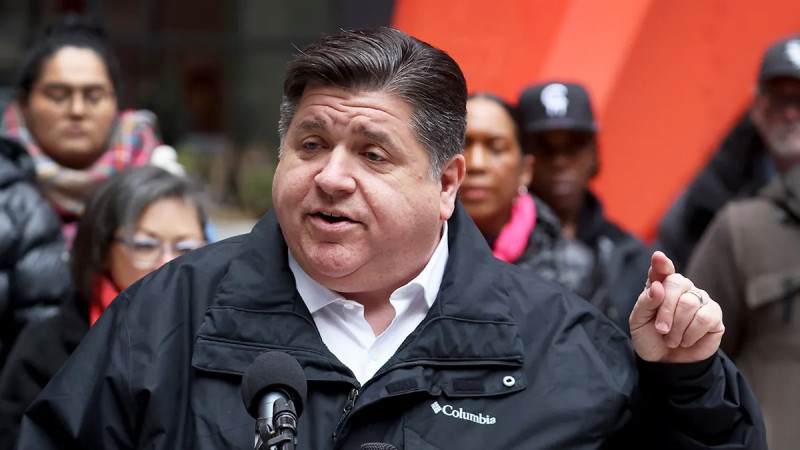
In a significant blow to Illinois Governor JB Pritzker’s immigration policies, a federal judge has struck down key state laws that provided in-state tuition and financial aid to undocumented students. The ruling, handed down on July 25, 2026, has sent shockwaves through the political and educational landscapes of Illinois. The decision, which affects long-standing state policies, has been hailed by some as a victory for federal law, while others see it as a setback for progressive immigration reform. The ruling primarily invalidates the Illinois DREAM Act, the RISE Act, and the in-state tuition regulations.
The Legal Battle: Federal vs. State Law
The case began when the U.S. Department of Justice filed a lawsuit against Governor Pritzker and the state of Illinois in September 2025. The Department of Justice argued that Illinois' laws allowing undocumented students to receive in-state tuition and financial aid were unconstitutional and invalid under the Supremacy Clause of the U.S. Constitution. The federal government contended that these state laws preempted federal immigration laws, which generally prohibit providing benefits to undocumented immigrants.
The legal battle centered around the interpretation of the Supremacy Clause, which establishes that federal law takes precedence over state law when there is a conflict. The federal government argued that the Illinois laws, specifically the Illinois DREAM Act and the RISE Act, were in direct violation of this clause. The Illinois DREAM Act allowed certain undocumented students to qualify for in-state tuition and financial aid if they met specific requirements, while the RISE Act provided similar benefits to certain undocumented students in public universities and community colleges.
The legal landscape of immigration and higher education has just undergone a seismic shift. This ruling underscores the tension between state and federal authorities over immigration policy and sets a precedent that could resonate nationwide.
Counter-Argument: The Impact on Undocumented Students
The federal judge's ruling has left many undocumented students and their advocates feeling betrayed. Governor Pritzker and his supporters argue that the state laws in question were designed to support students who had grown up in Illinois, attended its schools, and contributed to its communities. Critics of the ruling argue that denying these students in-state tuition and financial aid would create an insurmountable financial barrier, making higher education inaccessible for many.
However, supporters of the ruling point out that federal law must be upheld, even if it means making difficult decisions. They argue that providing benefits to undocumented immigrants could create a dangerous precedent, encouraging more illegal immigration and straining state resources. They believe that the state should focus on supporting documented residents and citizens, rather than extending benefits to those who entered the country illegally. As the federal judge noted, “The state’s laws are in direct conflict with federal immigration laws, and the Supremacy Clause of the U.S. Constitution must be upheld. The state has no authority to provide benefits that are explicitly prohibited by federal law”.
Judge David W. Dugan's Ruling: A Closer Look
Judge David W. Dugan ruled that the Illinois DREAM Act and the RISE Act are unconstitutional and invalid under the Supremacy Clause. The court's decision was based on the argument that the state laws conflicted with federal immigration laws, which generally prohibit providing benefits to undocumented immigrants. The ruling not only affects the eligibility for in-state tuition and financial aid for undocumented students but also sets a significant legal precedent for future immigration-related cases.
The ruling has brought the tension between state and federal authorities over immigration policy to a head, with Governor Pritzker and his supporters vowing to continue the fight for progressive immigration reform. The governor has hinted at the possibility of an appeal, stating that "we will continue to fight for the rights of all Illinois residents, regardless of their immigration status".
The ruling could have far-reaching implications for other states with similar laws, as it establishes a precedent that state laws providing benefits to undocumented immigrants may be preempted by federal law. As Illinois grapples with the fallout from this decision, the broader conversation about immigration policy and the role of state vs. federal authority continues to unfold. The question remains: will other states follow Illinois' lead and challenge federal immigration laws, or will they await further legal developments before taking action? Only time will tell how this ruling will shape the future of immigration policy and higher education in the United States. With the future of the Illinois DREAM Act and similar laws hanging in the balance, the stakes have never been higher for Governor Pritzker and his supporters.
How does this story make you feel?
 Up next · PoliticsMike Waltz and the Recurring Military Scandals