Senate Unveils Short-Term Spending Bill to Prevent Government Shutdown
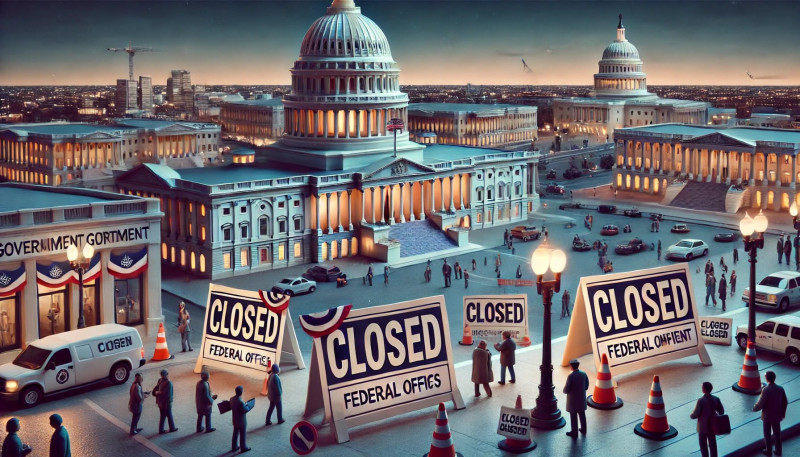
With the midterm elections approaching, Senate leaders have unveiled a short-term spending bill aimed at averting a government shutdown. If passed, this funding measure will ensure federal agencies remain operational until early December 2026. The Senate is poised to vote on this critical legislation before concluding its session for the traditional August recess.
Detailed Breakdown of the Short-Term Spending Bill
The proposed funding bill is part of a broader appropriations process, which seeks to allocate federal resources based on the president's recommendations. This funding bill is designed to bridge the gap until a more comprehensive budget is finalized. The current budget plan encompasses estimates of federal income and expenditures for the upcoming fiscal year.
Negotiations surrounding this bill have been intense, with senior senators working to finalize key details before the recess. The timeline for securing a bipartisan deal has been challenging, but leadership is optimistic about reaching an agreement. This measure includes funding for various federal agencies, ensuring continuity of services during the critical campaign period.
In addition to general funding, the bill includes specific allocations such as $231 million for the Secret Service's immediate protection operations. This allocation comes in response to recent threats, including assassination attempts on former President Trump, underscoring the heightened security concerns facing high-profile individuals.
The Political Calculations Behind the Funding Bill
The short-term funding bill is separate from ongoing efforts to extend tax cuts. The GOP's plan to partially fund these tax cuts through budget cuts in other areas will be developed in the coming months. This political maneuvering underscores the complex interplay between short-term funding needs and broader fiscal policies.
The recent legislative actions underscore the urgency of securing a funding bill. The Senate narrowly avoided a shutdown earlier this year when a House-passed bill and a Democratic counter-offer failed to advance. The current measure aims to prevent a similar crisis, ensuring that federal operations continue uninterrupted.
The appropriations process has historically faced challenges, with Congress often struggling to pass all necessary bills before the September 30 deadline. This short-term funding measure is a stopgap solution, providing time for more detailed negotiations and finalizing the annual appropriations bills.
The Impact on the Department of Homeland Security
The short-term funding bill also includes a continuing resolution to fund the Department of Homeland Security (DHS) for two weeks. This resolution is part of a broader package that aims to finalize appropriations while ensuring DHS can continue its critical operations without disruption.
The Senate's move to pass this bill comes amidst broader fiscal debates. The Consolidated Appropriations Act, 2026, already provides funding for several federal departments and agencies, highlighting the ongoing need for legislative action to support government operations.
Senators, including Sen. Collins, have been vocal about the need for timely action on the appropriations bill. "There is a significant risk of a government shutdown if we do not act quickly," Sen. Collins stated during a recent press conference. This sentiment echoes the broader bipartisan concern about ensuring federal operations during the critical election period.
"The short-term funding bill ensures that federal agencies remain operational, providing stability during the campaign season." - Sen. Collins
With the Senate poised to pass this critical measure, the next thing to watch will be the House vote. The timing of this vote is crucial as it will determine whether the funding bill can be enacted before the recess. The House's response and the subsequent negotiations will shape the final outcome, potentially influencing the political landscape in the lead-up to the midterm elections. The urgency of these negotiations leaves no room for error, as any delay could have significant repercussions for federal operations and the broader economy.
How does this story make you feel?
 Up next · PoliticsThe Storm Surrounding Ohio's Max Miller: Politics and Personal Drama Intertwined