DHS Proposal Threatens to Eliminate H-1B 60-Day Grace Period
The Department of Homeland Security (DHS) has sent a proposal to the White House for review, aiming to eliminate the 60-day H-1B 60-day grace period for visa holders. The move, which has sparked widespread outrage and concern, could significantly impact the lives of thousands of foreign workers currently in the U.S. on H-1B visas. The proposed change aims to restrict the ability of H-1B visa holders and their dependents to remain in the country if they lose their jobs, potentially forcing them to leave the country immediately.
The Current H-1B 60-Day Grace Period: What It Means for Workers
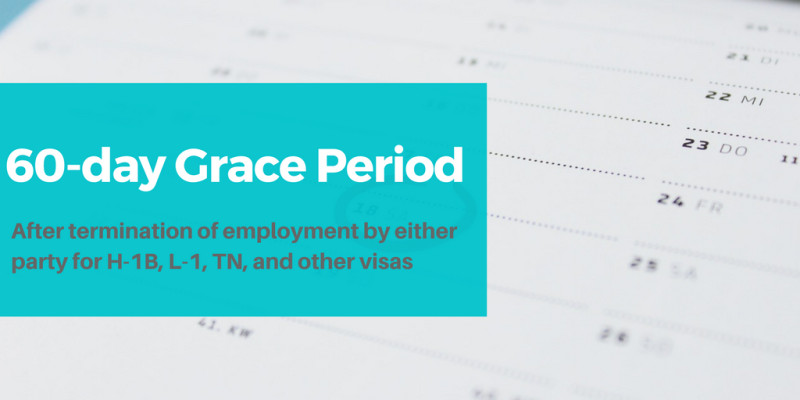
The H-1B 60-day grace period is a critical safety net for many foreign workers. Currently, H-1B visa holders have a 60-day grace period following their last day of employment to find a new job, apply for a change of status, or prepare to leave the country. During this period, both the H-1B worker and their H-4 dependents maintain valid nonimmigrant status, providing a crucial buffer against immediate deportation. This grace period is designed to give workers time to search for new employment or adjust their immigration status without the constant threat of being forced to leave.
Proposed Changes and Potential Impact
The proposal to eliminate this grace period, if approved, would have profound implications for H-1B workers. The US Department of Homeland Security's proposed rule could end the 60-day job search grace period for H-1B visa holders, severely restricting their ability to stay and work in the U.S. after job loss. This change would particularly affect those who rely on the grace period to secure new employment or make necessary adjustments to their immigration status. Under the current rules, H-1B visa holders can use this period to find a new job or apply for a change of status, thus maintaining their nonimmigrant status. The potential elimination of this grace period would force many workers to leave the country almost immediately after losing their jobs, further complicating their lives and careers.
Gone. Think again. Nobody saw this coming. Those who advocated for this change argue that it will help curb the overstaying of visas, but critics point out that it could lead to a significant loss of talent and economic disruption.
The Road Ahead for H-1B Workers
If the DHS proposal is finalized, it could lead to an estimated 200,000 H-1B workers being forced to leave the country annually, according to some estimates. This could have a profound impact on various industries, including technology, healthcare, and academia, which heavily rely on H-1B workers to fill critical positions. The proposed changes have sparked intense debate and concern, with many experts and advocates calling on the administration to reconsider the proposal.
But what does this mean for the future of H-1B workers? And what can these workers do to navigate this uncertain landscape? The situation is complex, and the answers are far from straightforward. However, the most immediate question is: Where will these workers go if they are forced out of the country?
The H-1B 60-day grace period has been a vital lifeline for many foreign workers in the U.S., providing them with a crucial window to find new employment or adjust their immigration status. The potential elimination of this period is a stark reminder of the precarious nature of immigration policies and the need for more stable, humane solutions.
How does this story make you feel?
 Up next · PoliticsSAVE America Act: The Battle for Voter ID Legislation