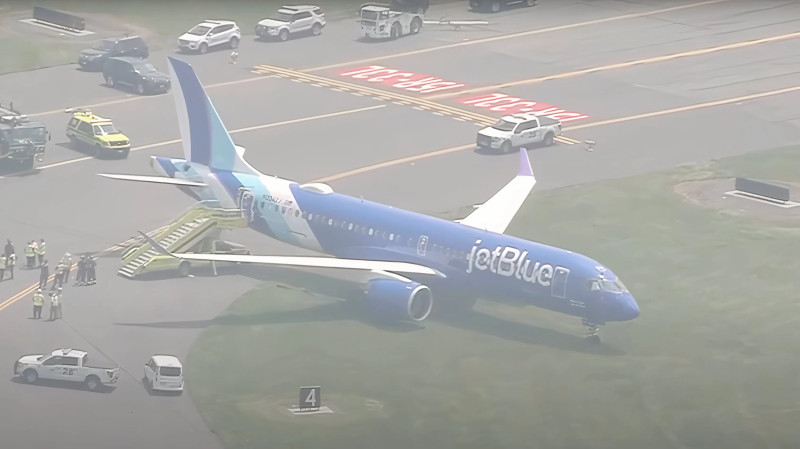
The aviation industry was rocked on March 10, 2026, as the Federal Aviation Administration (FAA) issued an unprecedented nationwide ground stop for JetBlue flights. This unprecedented move, enacted at the request of JetBlue, sent shockwaves through the travel industry and left passengers scrambling for answers.
The FAA's decision to halt all JetBlue flights was made public through an advisory issued on Tuesday. The directive instructed all airports to cease JetBlue departures, effectively grounding the airline's entire fleet across the United States.
The reason behind JetBlue's request for a ground stop remains unclear. The FAA provided no additional details in its advisory, leaving the aviation community and the public to speculate on the cause of this extraordinary measure. Ground stops are typically issued due to safety concerns, weather conditions, or operational issues, but JetBlue has yet to offer an official explanation.
As of now, it is unknown how long the ground stop will persist. The FAA has not provided an estimated time of resumption, and JetBlue has not issued any statements clarifying the situation. This unprecedented event raises critical questions about the airline's operational readiness and the immediate steps taken to address the issue.
The implications of this ground stop are far-reaching. Passengers who had booked flights with JetBlue are now facing delays and potential cancellations, causing significant disruption to their travel plans. The airline's decision to request a ground stop also raises concerns about its operational protocols and the FAA's readiness to handle such large-scale disruptions.
While the aviation industry awaits further information, this event serves as a stark reminder of the complexities involved in air travel and the critical role of effective communication and safety measures in the air transportation system. The ground stop underscores the importance of transparency and clear communication between airlines and regulatory bodies in maintaining public trust and ensuring the safety of passengers.