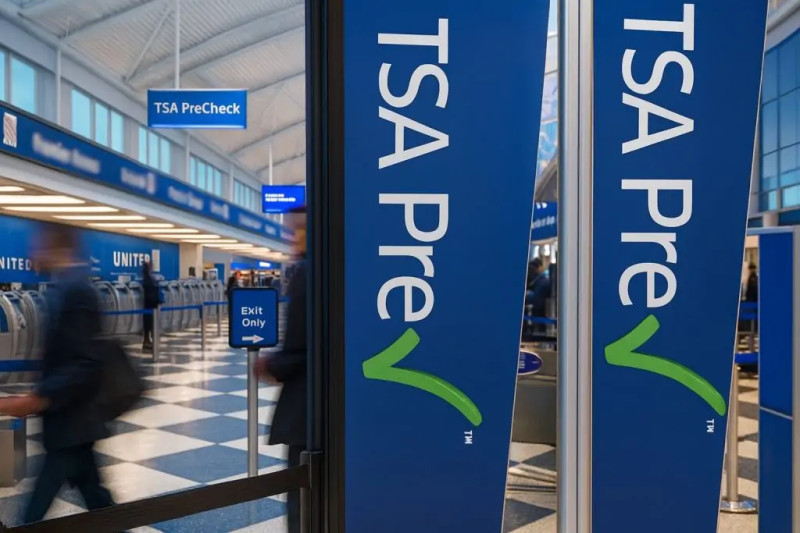
The Transportation Security Administration's (TSA) PreCheck program, which offers expedited airport screening, has been a topic of significant discussion in recent weeks. As the partial government shutdown has led to funding disputes and operational changes, travelers and aviation professionals alike have been seeking clarity on the status of this critical service. The Department of Homeland Security (DHS) has recently reversed its decision to suspend TSA PreCheck, following a tumultuous period of uncertainty and criticism .
The initial announcement to suspend TSA PreCheck and Global Entry programs was met with widespread criticism from elected leaders and travelers alike. The decision, driven by the partial government shutdown, sparked confusion and concern about the continuity of these essential services . The DHS cited funding constraints as the primary reason for the suspension, but the backlash was swift and decisive. The reversal of this decision underscores the importance of TSA PreCheck in maintaining efficient and secure travel processes .
The suspension of TSA PreCheck was part of a broader impact on DHS agencies during the shutdown. Alongside TSA and FEMA, other critical agencies such as the Coast Guard and the Cybersecurity and Infrastructure Agency faced operational challenges due to lack of funding . However, the reversal of the TSA PreCheck suspension highlights the priority placed on national security and travel convenience despite the ongoing political stalemate .
Travelers who rely on TSA PreCheck for a smoother airport experience can breathe a sigh of relief. The program's continued operation ensures that expedited screening lanes remain open, reducing wait times and enhancing the overall travel experience . This decision is a testament to the DHS's commitment to balancing security needs with operational efficiency, even in the face of significant challenges. The reversal also emphasizes the importance of clear communication and swift action in addressing public concerns during times of uncertainty .
The confusion surrounding the TSA PreCheck suspension serves as a reminder of the broader impact of government shutdowns on essential services. As the partial shutdown continues, discussions around funding and operational continuity remain critical. The rapid reversal of the TSA PreCheck suspension demonstrates the potential for swift action when faced with public outcry and highlights the need for ongoing dialogue to address similar issues in the future .
The ongoing debate over the shutdown's impact on TSA PreCheck also raises questions about the broader implications for travel and national security. As the aviation industry navigates these challenges, it is clear that robust and resilient systems are essential for maintaining public trust and operational efficiency . The DHS's decision to keep TSA PreCheck operational despite the shutdown underscores the importance of prioritizing these critical services during times of uncertainty .
The reversal of the TSA PreCheck suspension is a significant development in the ongoing government shutdown saga. It underscores the importance of clear communication, public input, and decisive action in addressing the challenges posed by government funding disputes. As the aviation industry continues to adapt, the continued operation of TSA PreCheck remains a beacon of stability amidst the chaos .