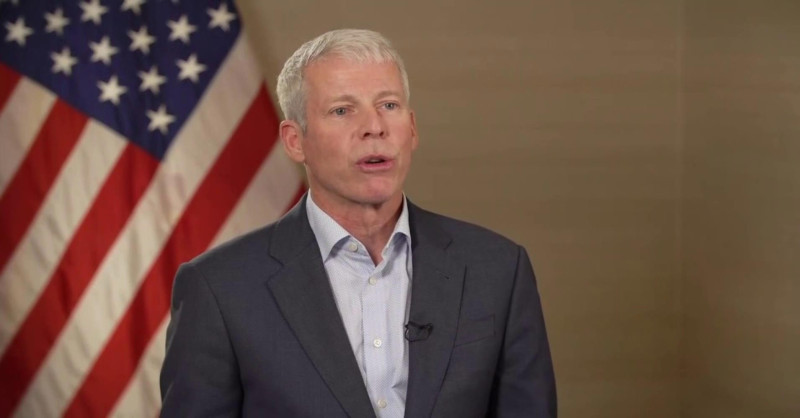
In the world of geopolitics and energy, Chris Wright—the current U.S. Energy Secretary—once again finds himself in the limelight following a controversial statement about oil flow through the Strait of Hormuz. Wright's recent tweet claiming that the U.S. Navy had escorted an oil tanker through the area sent shockwaves through the market, causing the price of oil to fluctuate wildly before Wright deleted the post.
The implications of this incident are multifold. Firstly, the false claim affected oil prices dramtically, as they dived below $80 a barrel on Tuesday, before rebounding after Wright deleted his post. This volatility is not surprising, given the Strait of Hormuz's critical role in global oil flows. The strait is a narrow waterway connecting the Persian Gulf to the Gulf of Oman, and it is the world's most important oil choke point, with about 20% of global oil production transiting through it. Second, Wright's false claim contradicts the latest briefing by Chairman of the Joint Chiefs of Staff, Dan Caine, on Tuesday about the US military's assessment of the feasibility of providing naval escorts for tankers through the Strait of Hormuz. Wright's mistake raises questions about the credibility of US Energy Department communications and the potential impact on global energy markets.
The price of oil today stands at a critical juncture, influenced not only by this geopolitical drama but also by broader market dynamics. Oil prices have been volatile, reflecting concerns about supply disruptions and escalating tensions in the Middle East. The situation in the Strait of Hormuz has been particularly sensitive, with Iran's threats to disrupt oil flows contributing to market uncertainty.
The broader context of this incident involves the complexities of global energy markets and the delicate balance between supply and demand. The crack spread, which measures the difference between the purchase price of crude oil and the selling price of finished products, is a key indicator of the short-term profit margin of oil refineries. Given the current turmoil, refineries are likely to face increased pressure as they navigate fluctuating input costs and output prices. The situation underscores the need for clear and accurate communication from government officials, especially when it comes to matters as sensitive as oil flows through strategic waterways.
The White House's denial of the escort claim further complicates the situation, as it highlights the disconnect between official statements and reality. The White House has stated that the US military did not escort any ships through the Strait of Hormuz. This denial comes as a blow to Wright's credibility, raising questions about the transparency and accuracy of communications from the Energy Department. The incident serves as a reminder of the delicate nature of global energy markets and the critical role that accurate information plays in maintaining market stability.