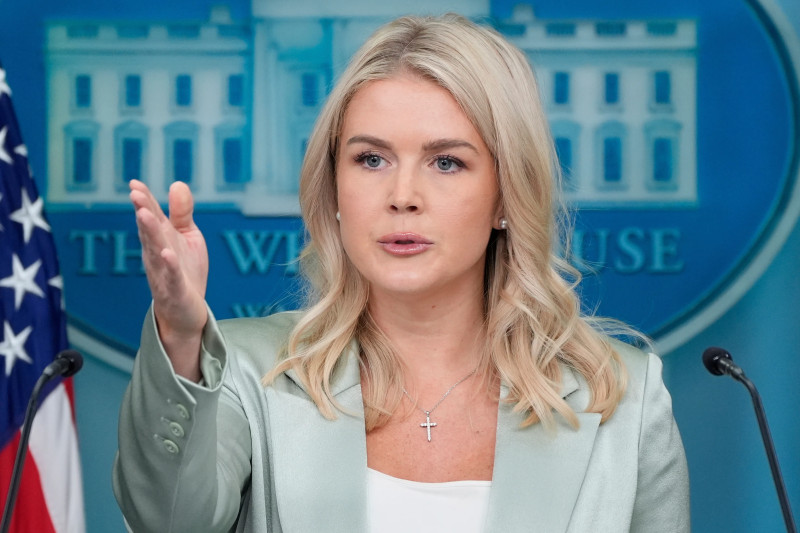
In the realm of political discourse, few statements have sparked as much controversy and speculation as those made by Karoline Leavitt, the White House Press Secretary, regarding the possibility of a US military draft. In recent interviews, Leavitt has refused to categorically rule out the reinstatement of the draft, particularly in the context of escalating tensions with Iran. This stance has ignited a firestorm of debate, with lawmakers and the public alike grappling with the implications of such a move.
Leavitt's comments have left many wondering whether the United States is on the brink of reinstituting a military draft, a policy that has not been in effect since the Vietnam War. The Selective Service System, which manages draft registration, has long been a contentious issue, with ongoing debates about exemptions and the fairness of the draft process.
The prospect of a military draft has been a hot topic following Leavitt's remarks during a weekend interview, where she stated that President Donald Trump has not ruled out any military options as tensions with Iran continue to rise. This has led to widespread speculation and concern, particularly among young men who would be directly affected by such a policy.
Leavitt's statements have also drawn criticism from prominent figures, including former congresswoman Marjorie Taylor Greene, who has publicly criticized the administration for even considering the idea of a draft. Greene has been vocal in her opposition, stating that she would not allow her son to be drafted, underscoring the emotional and political weight of the debate.
Amidst the controversy, it is important to note that the Trump administration has maintained that a draft is not part of the current plan. However, the fact that Leavitt has refused to rule it out entirely has left many feeling uneasy. The Defense Secretary, Pete Hegseth, along with Leavitt, has been questioned about the possibility of "boots on the ground" in Iran, further fueling the speculation.
The debate over a potential military draft has also raised questions about the legal and logistical aspects of implementing such a policy. The Selective Service System currently registers only men aged 18 to 25, but there have been calls for changes to this system, including the inclusion of women and a broader age range.
In light of these developments, it is clear that the issue of a military draft is far from settled. While Leavitt's comments have sparked concern and controversy, they have also highlighted the need for a more nuanced discussion about the role of the military and the obligations of citizenship in times of conflict. As the situation with Iran continues to evolve, the public will be watching closely to see how the administration navigates this complex and sensitive issue.