The Jones Act, a cornerstone of United States maritime law, has been a topic of heated debate since its inception in 1920. Officially known as the Merchant Marine Act, the Jones Act is designed to protect the American shipping industry and ensure the safety and rights of maritime workers. Yet, it has also sparked controversy over its economic impact and relevance in today's globalized world. Let's dive into the history, application, and implications of this pivotal piece of legislation, with a particular focus on recent developments and its impact on key regions like Hawaii and Puerto Rico.
What is the Jones Act and How Does it Work?
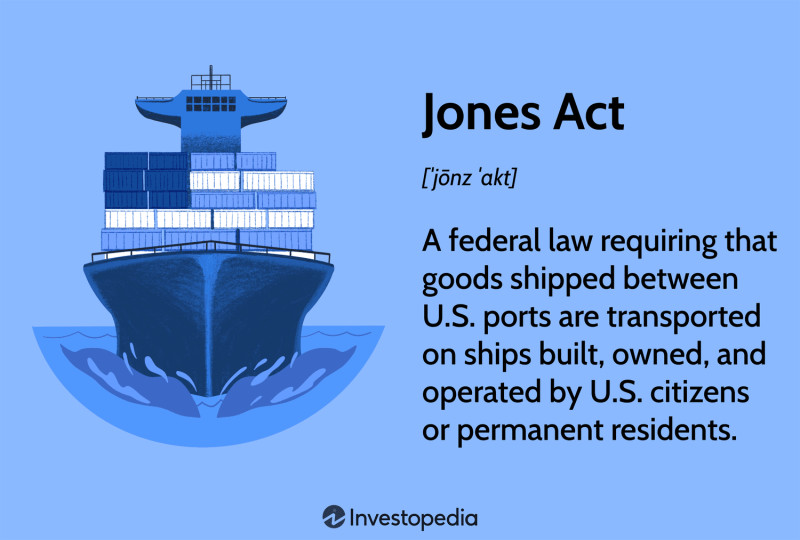
The Jones Act, passed in 1920, mandates that all goods transported by water within the United States must be carried on vessels that are US-built, -owned, -crewed, and -flagged. This regulation, known as cabotage, aims to bolster the American merchant marine by restricting foreign competition in domestic waterways. The law is a part of the broader Merchant Marine Act of 1920, which was enacted to rebuild the U.S. shipping fleet after the devastation caused by German U-boats during World War I. The legislation also grants seamen the right to sue their employers for personal injury or death at sea, thereby enhancing worker protections. Look, it's a complex piece of law with far-reaching implications, both economic and political (sound familiar?).
Historical Context and Economic Impact
The Jones Act has a rich history that dates back to the early 20th century. The act was designed to protect the American shipping industry, which had taken significant losses during World War I. By mandating that all domestic maritime trade be conducted on American-built and -crewed vessels, the Jones Act aimed to foster a self-sufficient and robust maritime industry. However, this protectionism has come at a cost, particularly for regions like Hawaii and Puerto Rico, where the law has been criticized for driving up shipping costs and limiting competition. And then — get this — the law has even been waived in certain emergencies, such as during the Trump administration's 60-day waiver in response to the Iran war.
The Jones Act Today: Controversies and Recent Developments
The Jones Act continues to be a subject of intense debate. Proponents argue that it is essential for maintaining a strong and independent American maritime industry, which is crucial for national security and economic stability. Opponents, however, contend that the law imposes unnecessary burdens on vulnerable regions, such as Puerto Rico and Hawaii, and restricts competition, leading to higher shipping costs and limited options for consumers. The Jones Act has been temporarily suspended in the past, notably during the 2025 oil spill in the Gulf of Mexico, to expedite the delivery of emergency supplies and reduce costs. Advocates for repealing or amending the law argue that such waivers highlight the inflexibility and inefficiency of the act.
The Jones Act remains a contentious issue, with its supporters and detractors locked in a ongoing debate. As the world continues to evolve, the future of the Jones Act and its impact on the U.S. maritime industry and the broader economy remain uncertain. The Jones Act, a testament to the enduring power of maritime regulation, continues to shape the economic and political landscape of the United States.
“The Jones Act is a critical piece of legislation that has shaped the American maritime industry for over a century. Its impact on regions like Hawaii and Puerto Rico underscores the complex interplay between national security, economic policy, and maritime regulation.”— the author