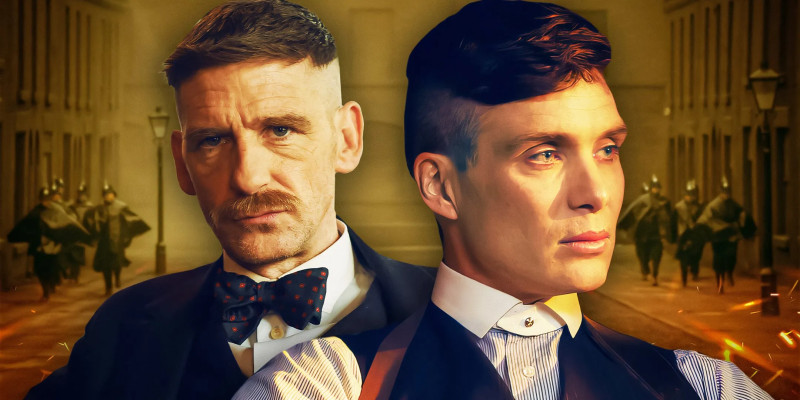
In the world of Peaky Blinders, the dramatic exit of Paul Anderson as Arthur Shelby has left fans reeling. The beloved character, known for his complex and erratic nature, met an unexpected end in the latest film, Peaky Blinders: The Immortal Man. But the intrigue doesn't stop there. Arthur Shelby's fate is a poignant reminder of the realities faced by many post-WWI soldiers, and Anderson's departure from the show is a stark example of how life can imitate art (or vice versa).
Paul Anderson's Departure and Arthur's Fate
Paul Anderson's exit from Peaky Blinders was as dramatic off-screen as it was on. After his real-life drug charges, the show's creator, Steven Knight, decided to write out his character. This decision, while likely driven by practical concerns, still fits into the narrative's tragic and emotive tapestry. Arthur Shelby, the character Anderson portrayed, struggled with PTSD and depression, a lingering legacy of his time in the army. This psychological torment ultimately led to his tragic demise in 1938, years before the events of The Immortal Man and his death was revealed in the film. Arthur's absence is deeply felt, not just by Tommy, but by the entire Shelby family.
Here's the thing: Arthur Shelby's character arc is a poignant reflection of the post-WWI trauma that plagued many soldiers. His struggles with PTSD, drug addiction, and suicidal thoughts make his eventual fate a heart-wrenching inevitability. Arthur's story isn't just about one character; it's a broader commentary on the silent battles fought by soldiers long after their return home.
And then — get this — Arthur Shelby's death wasn't just a plot twist; it's a narrative turning point for Tommy Shelby. The film confirms that Tommy is responsible for Arthur's death, a revelation that adds layers of complexity to Tommy's already intricate character. This twist feeds into Tommy's ongoing storyline, highlighting his ruthlessness and the lengths he will go to protect his family and legacy.
The Immortal Man: Arthur Shelby's Final Act
In Peaky Blinders: The Immortal Man, Arthur Shelby's fate is confirmed in the film's opening scenes, setting a somber tone for the rest of the narrative. The film reveals that Arthur died in 1938, and Tommy's visit to Arthur's grave, where he places Ruby's scarf, is a poignant moment. This scene underscores the deep bond between the brothers, despite their tumultuous relationship.
Arthur's death also serves as a catalyst for Tommy's actions in the film. Tommy’s ruthless nature is on full display as he navigates the complexities of his criminal empire. Look, the film's portrayal of Arthur’s demise is a stark reminder of how personal and family histories can intertwine with broader narratives of power and control.
The Impact of Arthur Shelby's Legacy on Peaky Blinders
Arthur Shelby's legacy extends far beyond his character's death. His absence in the film serves as a constant reminder of the Shelby family's past and the sacrifices they've made. It also underscores the darker side of Tommy's ambition and the lengths he will go to maintain his power. Remind you of anything? The Shelby family’s dynamics are a microcosm of broader societal issues, from class struggle to the psychological scars of war.
Paul Anderson's departure from the franchise is a significant loss, but it also opens new narrative possibilities. Arthur Shelby's absence creates a void that other characters must fill, driving the story forward in unexpected ways. The film's writers have deftly managed to integrate Anderson's departure into the story, ensuring that Arthur's legacy continues to influence the narrative.
Sound familiar? The Peaky Blinders franchise has always been about the interplay of personal and historical narratives, and Arthur Shelby's fate is no exception. His story is a poignant reminder of the broader themes that run through the series: the cost of ambition, the weight of family legacy, and the lingering effects of trauma. The Shelby family's saga is a testament to the resilience and ruthlessness required to navigate a world on the brink of chaos.
Try this thought experiment: Imagine how different the story would be if Arthur Shelby were still alive. What if his struggles had led him down a different path? What if he had found a way to overcome his demons? The answers to these questions are as elusive as they are intriguing. But one thing is clear: Arthur Shelby's legacy will continue to cast a long shadow over the world of Peaky Blinders.
In the end, Arthur Shelby's fate is more than just a plot point; it's a poignant reminder of the complexities and contradictions that define us all. In the grand tapestry of Peaky Blinders, Arthur Shelby's legacy is woven in ways that are both heartbreaking and unmistakably powerful.