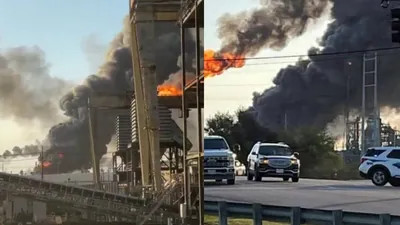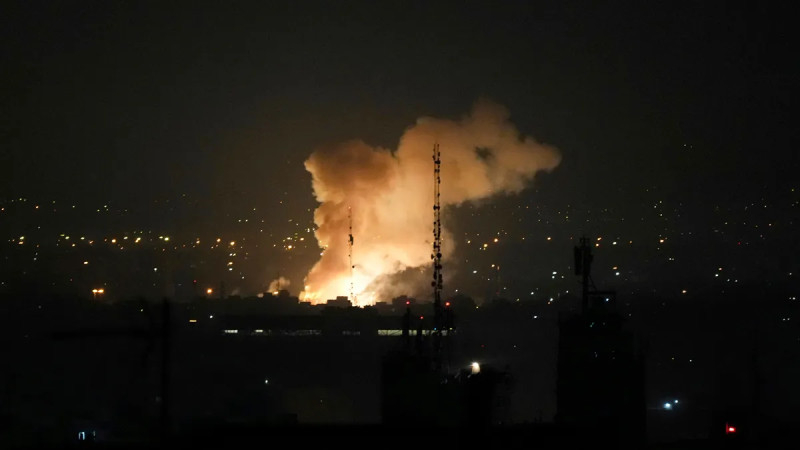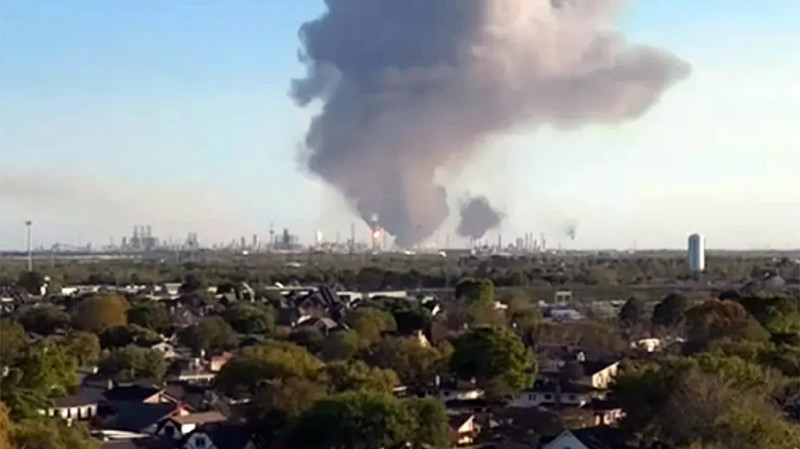
The oil refinery explosion in Port Arthur, Texas, on March 24, 2026, sent shockwaves through the region. Residents woke up to a deafening boom and a sky filled with thick, black smoke, a stark reminder of the volatile nature of the oil industry that has long been the lifeblood of this coastal town. The blast, originating from the Valero refinery, prompted immediate emergency responses and a shelter-in-place order for nearby residents.
Chaos Unleashed: The Initial Blast and Emergency Response
At approximately 9:00 AM local time, a massive explosion shook the Valero refinery, one of the largest oil processing facilities in the United States. The blast was so powerful that it could be felt for miles, causing panic and concern among residents of Port Arthur and neighboring communities. "The ground shook, and then there was this huge cloud of smoke," recalled local resident Maria Sanchez. "I've never seen anything like it. It was terrifying".
Emergency services responded swiftly, evacuating nearby areas and establishing a perimeter around the refinery. The shelter-in-place order was issued to ensure the safety of residents, particularly those living within a 5-mile radius of the facility. The order was lifted later in the day after firefighters managed to control the blaze.
The Aftermath: Environmental and Economic Consequences
The explosion at the Valero refinery has raised significant concerns about the environmental impact and potential economic fallout. The facility processes around 435,000 barrels of oil per day, producing critical fuels like gasoline, diesel, and jet fuel. The disruption in operations has sent ripples through the global oil market, exacerbating concerns about rising gas prices.
"This is a major blow to the oil industry and the local economy," said Dr. Emily Thompson, an environmental scientist at Texas A&M University. "The refinery is a key player in the region's economic landscape, and any disruption can have far-reaching effects." The explosion comes at a time when gas prices have been on the rise, adding to the financial strain on consumers.
Safety and Regulation: What Went Wrong at Valero?
The oil refinery explosion has sparked questions about the safety measures and regulatory oversight at the Valero facility. Valero Energy Corp has shut down the refinery following the incident, which occurred at a diesel hydrotreater unit. The company is cooperating with investigators to determine the cause of the explosion.
"Safety should be the top priority in any industrial setting, especially one as hazardous as an oil refinery," said John Davis, a safety expert with the National Safety Council. "We need to ensure that all protocols are followed and that there is rigorous oversight to prevent such incidents in the future." The impact of the explosion is still being assessed, but the incident serves as a grim reminder of the inherent risks associated with the oil industry.
"I know that everyone at Valero is deeply concerned about this incident," said a company spokesperson. "We are committed to a thorough investigation and will take all necessary steps to prevent this from happening again."
"The incident serves as a wake-up call for the industry to prioritize safety and environmental protection."
The residents of Port Arthur are left to grapple with the aftermath of the explosion, hoping for a swift recovery and a return to normalcy. But for now, the sky remains tinged with the remnants of the blast, a stark reminder of the power and danger of the oil industry. The Valero refinery explosion in Port Arthur, Texas, is a haunting spectacle, leaving many to wonder about the future of oil production in the region.