Delta Air Lines has made a bold move by suspending its special perks for members of Congress. This dramatic shift comes as the ongoing government shutdown continues to strain TSA resources and intensify airport security lines. In a bold stance, Delta has aligned itself with the broader frustrations of the traveling public, who are also feeling the brunt of the shutdown. The airline's decision reflects the mounting tensions between federal oversight and private sector initiatives, raising critical questions about accountability in the face of government paralysis.
Delta's Decision Reflects Public Frustration with Shutdown
Delta's decision to suspend the special services for members of Congress, including dedicated flight assistance and expedited security, underscores the widespread impact of the partial government shutdown. As of March 24, 2026, this move aligns with the broader public sentiment that lawmakers should experience the same travel difficulties as their constituents.
Delta's CEO, Ed Bastian, has not minced words, blasting Congress for its failure to authorize pay for Transportation Security Administration (TSA) agents. This stance, coming a week after his public rebuke, signals a company ready to leverage its market power to influence political outcomes. The move has sparked a mix of praise and criticism, with some praising Delta for taking a stand and others accusing the airline of politicizing its business operations.
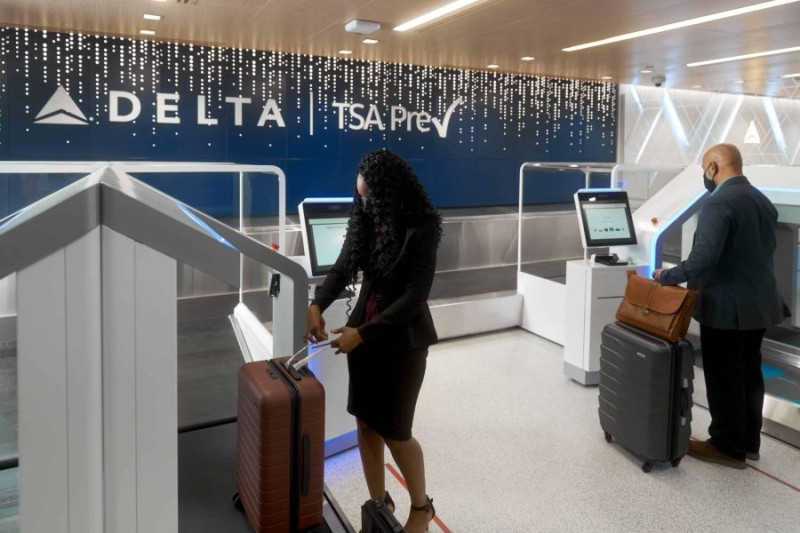
Delta's decision reflects a broader frustration with the shutdown, which has left many federal employees, including TSA agents, furloughed or working without pay. The TSA, a division of the Department of Homeland Security (DHS), has been particularly hard-hit, leading to longer security lines and delays at airports nationwide.
Delta's approach may signal a broader shift in corporate behavior, where companies are increasingly willing to take public stances on political issues that affect their operations and their customers. This move could encourage other airlines and businesses to follow suit, applying pressure on Congress to address the shutdown and the broader issues of federal funding and employee compensation.
Lawmakers Face the Same Delays as Passengers
The suspension of these perks means that members of Congress will now face the same security delays and long lines as other passengers. This move has sparked a wave of reactions, with some lawmakers expressing dismay and others recognizing the need for accountability.
Delta's decision has immediate consequences for lawmakers, many of whom rely on these perks for a smoother travel experience. The suspension of VIP services for members of Congress is a clear message to lawmakers that they should prioritize ending the shutdown and addressing the plight of TSA agents and other federal employees.
Delta has emphasized that the suspension of these services is temporary and will be reinstated once the government shutdown ends and TSA agents receive the pay they are owed. The company's stance aligns with growing public sentiment that lawmakers should feel the same inconveniences as the general public, providing a tangible incentive to resolve the crisis.
This situation has also brought to light the broader issue of federal funding and the impact of political stalemates on essential services. The shutdown has exposed vulnerabilities in the system, prompting discussions about the need for a more stable and reliable federal funding mechanism.
Public and Political Reactions
Delta's move has sparked a variety of responses, from support for the airline's stance to criticism for politicizing a critical service. The public reaction has been mixed, with some praising Delta for standing up to Congress and others expressing concern about the potential impact on the airline's relationship with lawmakers. This public response amplifies the broader frustration with the shutdown and the political gridlock in Washington.
Delta's decision has also sparked a debate on whether airlines and other private companies should take a more active role in political and social issues. Some argue that this move sets a dangerous precedent, while others see it as a necessary step to hold lawmakers accountable. This debate highlights the complex interplay between corporate responsibility and political engagement.
One counter-argument to Delta's decision is that it risks politicizing the airline, potentially leading to future legislative actions that could harm its interests. Some industry analysts warn that this move could backfire, leading to retaliatory actions from lawmakers, such as increased regulation or scrutiny. This concern underscores the delicate balance that companies must navigate when taking public stances on political issues.
Despite these concerns, Delta's decision underscores the broader frustration with the shutdown and the need for action. The airline's stance has reignited debates about federal funding, employee compensation, and the role of the private sector in addressing government failures.
Moreover, Delta's move could inspire other companies to take similar actions, pushing for a more proactive approach to addressing political and social issues. This could set a new precedent for corporate responsibility and engagement, encouraging other businesses to take a stand on issues that affect their operations and customers.
Let's be clear: Delta has made a bold and necessary move by suspending special privileges for Congress. It's high time the airline industry faced the reality that lawmakers should experience the same inconveniences as their constituents. If Congress wants their VIP perks back, they need to prioritize ending the shutdown and restoring TSA funding. Delta has taken a stand, and it's up to lawmakers to follow suit and deliver the necessary changes.