NATO, the North Atlantic Treaty Organization, once a symbol of unity, now stands at a crossroads. President Trump's comments on withdrawing the United States from the organization have sent shockwaves through the ally nations. But what exactly is NATO, and why is it now facing such scrutiny?
NATO: A Brief History and Purpose
NATO, established in 1949, is a military ally comprising 31 member countries. Its primary purpose is collective defense, ensuring that an attack on one member is considered an attack on all .
The alliance was formed in response to the Cold War, with the United States and Canada joining forces with European nations to counter the threat of Soviet expansion .
Over the decades, NATO has evolved to address modern security challenges, including terrorism and cyber warfare. It has played a crucial role in maintaining global peace and stability, from the Balkans to Afghanistan.
Trump's NATO Rhetoric and Its Impact
President Donald Trump has repeatedly criticized NATO, accusing members of relying too heavily on the United States for defense and not contributing enough financially .
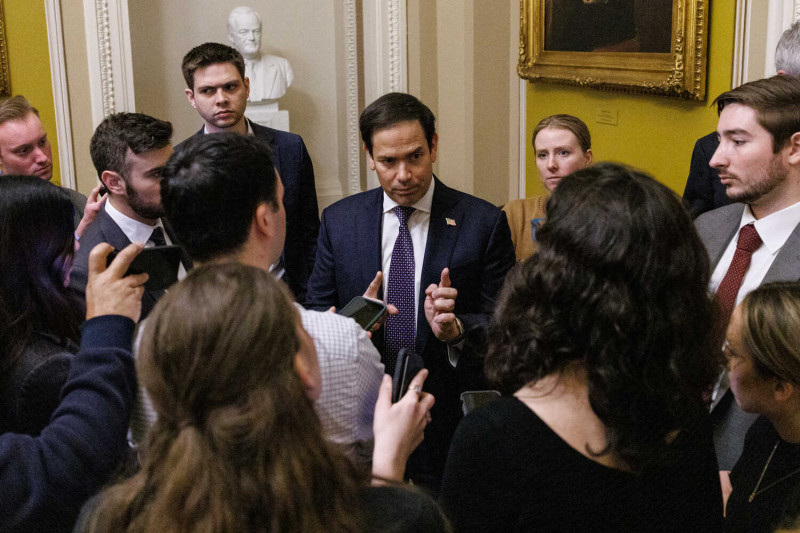
Trump's most dramatic threat came in 2023, when he suggested withdrawing the U.S. from NATO entirely. This rhetoric has complicated the alliance's dynamics, with Secretary of State Marco Rubio, a former staunch supporter, now echoing Trump's criticisms .
The Iran war has exacerbated tensions, with some NATO members refusing to support the U.S.-led military campaign. This has led to Trump and Rubio questioning the alliance's effectiveness and value, suggesting a potential re-examination of the U.S. relationship with NATO .
Marco Rubio's Evolving Stance on NATO
The current NATO controversy is made more complex by Rubio's past legislation, which requires congressional approval for any U.S. withdrawal from the alliance. .
Rubio, who once championed NATO, has shifted his stance, now questioning the alliance's relevance in light of recent events. He has raised concerns about access to military bases and the potential for NATO arrangements to hinder U.S. interests .
Rubio's evolving position reflects a broader debate within the U.S. about the future of NATO and America's role in global security .
The possible withdrawal is not the only option on the table. Negotiations remain an open avenue, with Rubio advocating for realistic talks that address U.S. strategic objectives .
And NATO remains a cornerstone of global security, with Rubio's past words on the value of the alliance echoing in the halls of power: "If now we have reached a point where the NATO alliance means that we can't use those bases… then NATO is a one-way street," he said. .
The organization's future is uncertain as the world watches. What happens next?